
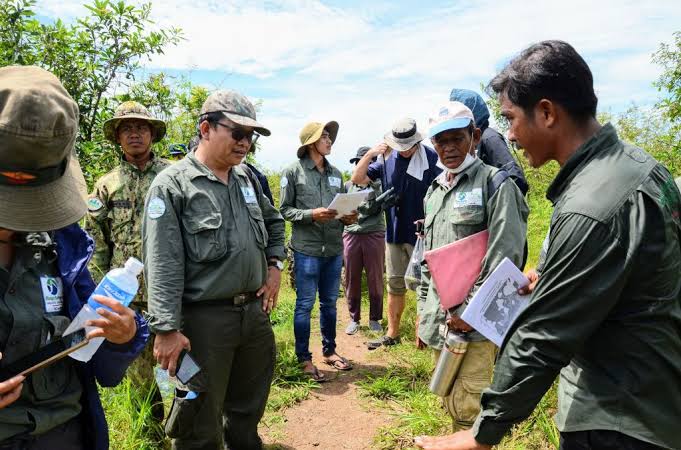


Biosphere Reserves are not just protected areas they are ‘learning places for sustainable development’. Recognized under UNESCO’s Man and Biosphere (MAB) Programme, these reserves bring together scientific research, environmental education, and community participation. Each site demonstrates practical models of sustainable resource use, biodiversity protection, and conflict-free coexistence between humans and nature.
Globally, more than 260 million people live within biosphere reserves, together protecting an area of over 7 million sq. km nearly the size of Australia. India’s participation in this global network strengthens its role as a key player in conservation and climate action.
India’s Expanding Network of Biosphere Reserves
India’s biosphere reserves span varied landscapes from the Nilgiri and Sundarbans to the Gulf of Mannar and the Cold Desert of Himachal Pradesh, which became part of UNESCO’s World Network of Biosphere Reserves in 2025. These sites safeguard ecosystems while enabling research, education, and livelihood programs for local communities.
The government has doubled its biodiversity conservation budget from ₹5 crore in 2024–25 to ₹10 crore in 2025–26. This step reflects India’s growing investment in sustainable ecosystem management and local empowerment. By focusing on buffer and transition zones, authorities are reducing pressure on core habitats while supporting eco-friendly income sources such as handicrafts, honey collection, and eco-tourism.
National Schemes Supporting Conservation
Biosphere reserves align with flagship national programs such as Project Tiger, Project Elephant, and the Green India Mission. Together, they create a comprehensive conservation framework that balances wildlife protection, forest regeneration, and climate adaptation.
Other initiatives including the Integrated Development of Wildlife Habitats, National Biodiversity Action Plan, and Eco-Sensitive Zones collectively enhance habitat protection and support sustainable resource management at the grassroots level.
Global Recognition and Future Outlook
According to the FAO’s 2025 Global Forest Resources Assessment, India ranks ninth globally in total forest area and third in annual forest gain. This progress is a result of integrated conservation measures and community involvement in afforestation drives and sustainable forest use.
Biosphere reserves also contribute to climate resilience, serving as carbon sinks and biodiversity buffers that reduce the impact of environmental degradation. They promote education, innovation, and participatory governance proving that sustainable living is not a distant goal but a collective reality in progress.
Conclusion
India’s observance of the International Day of Biosphere Reserves stands as a testament to the nation’s unwavering dedication to conserving nature while empowering its people. Through science-backed policies, international cooperation, and local participation, India is building a model for inclusive and sustainable environmental stewardship. These living landscapes continue to sustain life, celebrate nature, and inspire the world to protect our planet for generations to come.