
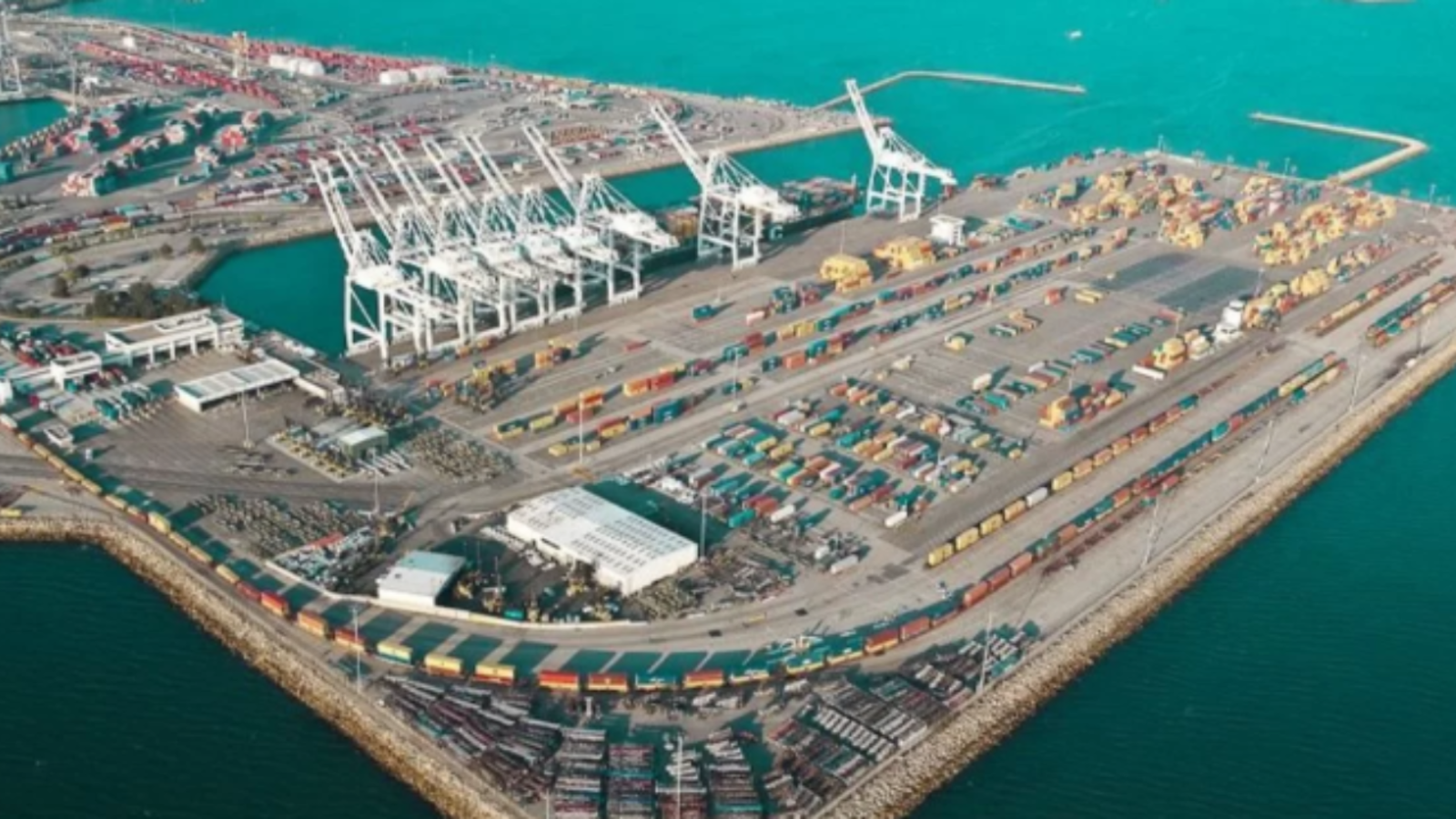


Chabahar Port, located in southeastern Iran along the Gulf of Oman, is Iran’s only oceanic port. India has invested in developing the port to enhance trade connectivity with Afghanistan and Central Asia, bypassing Pakistan. The port holds both economic and strategic significance for India’s regional influence.
US Pressure and Sanction Threats
Reports indicate that India’s Chabahar project has been impacted by Trump administration sanctions, which threatened a 25% tariff on any US-related business for nations trading with Iran. This announcement came on January 12, 2026, escalating concerns over India’s ability to continue investments without jeopardizing relations with the US.
Political Repercussions in India
The development has sparked political debate within India, with the Congress criticizing the government’s handling of the situation, while the BJP defends the strategic balancing of national interests under external pressure. Analysts suggest that India’s decision reflects careful diplomacy to maintain US relations while preserving long-term strategic goals in the region.
Strategic Implications
While some view the move as a setback for India’s regional connectivity plans, experts argue it is more a tactical pause than a full exit. The Chabahar port remains a vital asset for India’s trade corridor to Afghanistan and Central Asia, and Indian authorities are reportedly exploring alternative mechanisms to continue engagement without violating US sanctions.