
India’s Growing Defence Strength
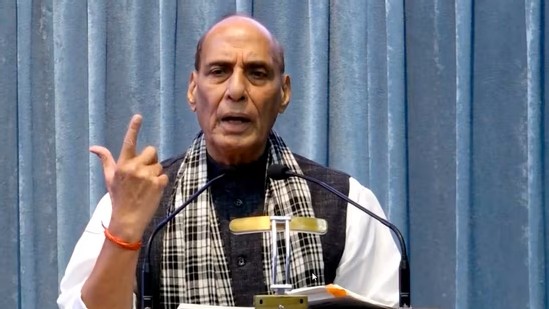
Union Defence Minister Rajnath Singh has made a bold statement about India’s rising power. Speaking in Madhya Pradesh, he declared that India’s defence exports have crossed ₹24,000 crore. This achievement reflects the strength and progress of the country’s Make in India initiative.
The defence minister also took a veiled jab at US President Donald Trump over tariffs on Indian goods. He hinted that some countries are uneasy with India’s rapid rise and think, “Sab ke boss to hum hain” (we are the boss of all).
The Tariff Challenge
Rajnath Singh highlighted ongoing trade tensions between New Delhi and Washington. Recently, the US imposed an additional 25% tariff on Indian exports. India called the move “unfair, unjustified, and unreasonable.”
He warned that such tariffs make Indian-made products more expensive in global markets. This could reduce competitiveness and hurt exports.
“When goods made by the hands of Indians become costlier than those produced abroad, people around the world will stop buying them,” Singh said.
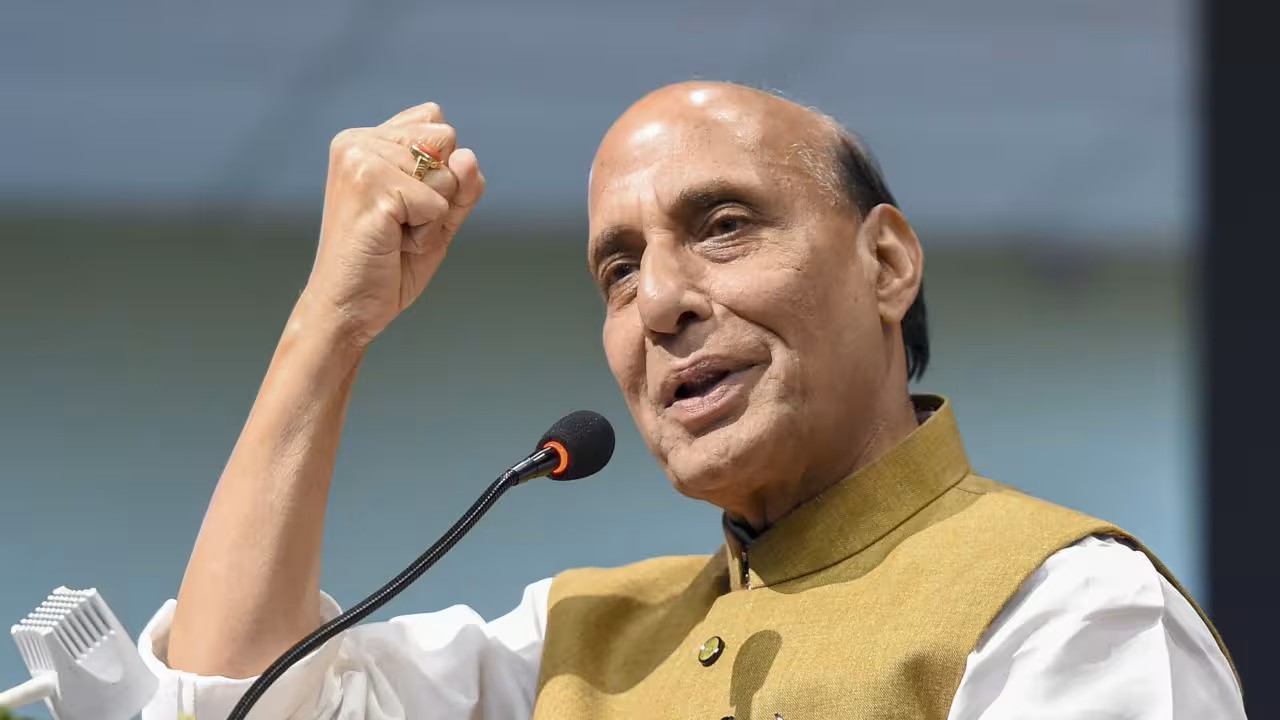

Despite these challenges, Singh expressed confidence in India’s unstoppable progress. He declared that no power in the world can stop India from becoming a vishwa shakti (global force).
He pointed out that in the past, India relied heavily on foreign suppliers for defence needs. This included aircraft, weapons, and advanced military systems. Today, however, the situation has changed dramatically.
From Importer to Exporter
Under the Aatmanirbhar Bharat (Self-Reliant India) vision, India now produces many defence items domestically. These not only meet national security requirements but are also being exported to other countries.
India’s defence exports now include:
-
Missile systems
-
Light combat aircraft
-
Patrol vessels
-
Radar systems
-
Armoured vehicles
According to official data from the Ministry of Defence, India exports defence equipment to over 85 countries.
A Message to the World
Singh’s remarks carried a strong message: India will not be slowed down by external pressure. He made it clear that India’s defence manufacturing sector is growing rapidly and will continue to expand.
This stance is important as India aims to achieve a defence export target of ₹50,000 crore by 2028. Such growth would place India among the world’s top defence exporters.
The Bigger Economic Picture
India’s defence sector growth also boosts its economy. The Defence Production Policy 2020 promotes indigenous design and manufacturing. It encourages private sector participation alongside public sector units.
A stronger defence manufacturing base reduces imports, strengthens the rupee, and creates high-skill jobs. According to the Department of Defence Production, more than two lakh jobs have been created in this sector over the past decade.
Why US Tariffs Matter
The US tariff hike affects not only defence-related items but also other key exports like:
-
Steel and aluminium products
-
Textiles
-
Agricultural goods
Such moves can strain trade relations. However, India has shown resilience by diversifying its export markets and focusing on self-reliance.
Global Respect Through Strength
India’s strategy is clear: build internal capabilities and earn respect through strength. As Singh noted, defence manufacturing is not just about military might. It is also about economic independence, global reputation, and technological leadership.
In an era where geopolitical tensions are high, India’s dual approach of diplomacy and self-reliance ensures that it remains a key player on the world stage.
Conclusion
Rajnath Singh’s comments send a clear message to global partners and rivals alike. India will continue to grow, innovate, and defend its economic interests. Tariffs and trade barriers may slow the pace temporarily, but they cannot reverse the direction of progress.
The defence minister’s words reflect a broader truth: India’s journey towards becoming a global force is unstoppable.