
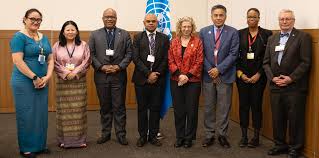
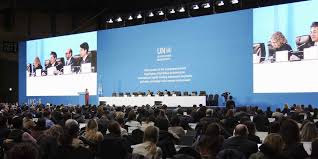
At the final plenary of the 5th session of the Intergovernmental Negotiating Committee (INC-5) in Busan, South Korea, India highlighted the immense challenge posed by plastic pollution, emphasizing that no nation can resolve this issue alone. India thanked the Chair and Secretariat for their efforts in achieving a consensus-driven outcome at the conference. Recalling the resolution from UNEA 5 two years ago, India reaffirmed the global commitment to developing a legally binding international instrument to address plastic pollution.

India emphasized the need for mutual trust and understanding among countries, particularly in addressing the challenges faced by developing nations. India’s approach to finalizing the instrument should be based on cooperation, consensus, and mutual respect for each nation’s circumstances. The country called for consensus to be the foundation of all decisions, including any amendments to the instrument and its annexes. India expressed its willingness to further engage in discussions, despite having some observations on the updated version of the Chair’s non-paper.
India made the following key observations during the plenary:
- Some recommendations from member states were not reflected in the latest version, and India sought reassurance that all member states would have the opportunity to voice their views in subsequent negotiations. India reiterated the principle that “nothing is agreed until everything is agreed” and expressed its hope for a fair, inclusive, and transparent agreement.
- India stressed the importance of clearly defining the scope of the instrument. It requested the re-insertion of a clear scope, which should be limited to addressing plastic pollution without overlapping with the mandates of other multilateral environmental agreements.
- India expressed its inability to support measures regulating the production of primary plastic polymers, citing potential implications for the development rights of member states. The country also voiced opposition to the inclusion of phase-out dates in the current version of the text, noting the potential trade implications of such a provision.
- Recognizing that the instrument will need to be implemented by member states at the national level, India called for due consideration of national circumstances and capabilities. Additionally, India stressed the importance of providing technical and financial assistance, including technology transfer to developing countries, to ensure effective implementation of the instrument. India proposed the creation of a dedicated multilateral fund to provide financial resources to developing countries to help meet the incremental costs of compliance.
Reaffirming its commitment to engaging positively in future negotiations, India reiterated its long-standing support for decision-making by consensus in multilateral environmental agreements. This approach reflects shared responsibilities and a collective commitment to addressing global challenges.