
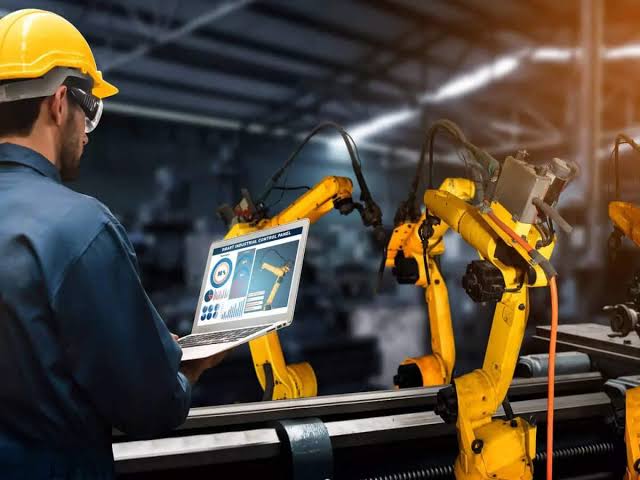
The Minister noted that India’s manufacturing landscape is diversifying into electronics, white goods, chemicals and petrochemicals, and that resilience and agility in supply chains are increasingly critical as global disruptions become commonplace. He warned against overdependence on specific geographies and encouraged industry to identify and build domestic capabilities where strategic control is necessary.
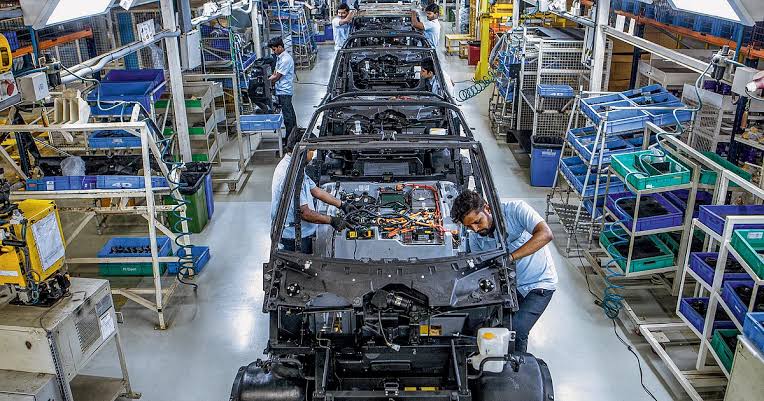

Shri Goyal emphasised that innovation and design excellence are non-negotiable for long-term competitiveness. “Quality, design and sustainability must be embedded in manufacturing these are the differentiators that win global market share,” he said, stressing the need for continuous investment in research, product development and upskilling.
The Minister highlighted national initiatives and funds that support deep-tech, research and development, and recommended stronger industry–academia linkages to accelerate commercialisation of homegrown technology. He said government policies are aligned to make investment easier, regulatory frameworks more predictable, and incentives more targeted to foster innovation-led manufacturing growth.
Supply Chain Resilience and Global Responsiveness
Pointing to recent supply-chain shocks, Shri Goyal urged businesses to diversify sourcing and strengthen domestic manufacturing ecosystems. He said that resilient supply chains not only mitigate risk but also create opportunities for new tiers of suppliers and logistics providers in India.
“India must be competitive and responsive to global developments,” the Minister said. He asked industry to assess critical inputs where self-reliance is essential and to collaborate with government on creating capacity and alternate sourcing routes.
Role of States, Labour Reforms and Ease of Doing Business
Shri Goyal welcomed the role of progressive States in accelerating local manufacturing. He cited Uttar Pradesh and Odisha as examples where rapid progress has expanded local opportunities and reduced migration. He called on state governments and industry to work together in simplifying procedures and modernising regulatory systems.
Highlighting labour reforms, the Minister said the four Labour Codes already implemented by 23 States through corresponding rules will strengthen formalisation, ensure minimum wages, enhance social security and improve workplace safety. He urged industry to adapt swiftly to the new regime and suggested that clearer, streamlined rules would reduce compliance burdens over time.
MSMEs, Timely Payments and Inclusive Growth
Shri Goyal placed special emphasis on micro, small and medium enterprises (MSMEs), urging prompt payment of dues to ease cash-flow constraints. He said timely settlements can significantly boost productivity and allow MSMEs to scale operations, innovate and integrate into global value chains.
The Minister also stressed that as manufacturing grows, it will catalyse services-sector expansion—creating a virtuous cycle of jobs and value addition. He called for inclusive policies that support small manufacturers, women entrepreneurs and regional clusters to ensure broad-based gains.
Swadeshi, Self-Reliance and the Road to Viksit Bharat 2047
Reiterating India’s long-standing focus on Swadeshi and self-reliance, Shri Goyal said domestic capability building remains central to national strategy. He invited industry stakeholders to offer practical suggestions on easing compliance, removing obsolete provisions and enhancing the country’s competitiveness.
“Collective efforts by government and industry will be essential to advance Atma Nirbhar Bharat and achieve the long-term goal of Viksit Bharat 2047,” the Minister concluded, calling for a collaborative, forward-looking approach that balances openness with strategic self-reliance.