
Strengthening Drug Regulation in India
The review focused on transforming regulatory practices for medical products. The Central Drugs Standard Control Organisation (CDSCO), led by Drug Controller General of India (DCGI) Dr. Rajeev Raghuvanshi, presented updates. He highlighted that the State Drug Regulatory Index, launched on August 12, 2025, has introduced a competitive benchmark system for state regulators. This ranking will encourage states to raise their standards and align with national and international expectations.
Faster Drug Approval Processes
One of the biggest breakthroughs came from digitisation. Digital dashboards introduced by CDSCO have cut application processing times. For instance, in Global Clinical Trials for Cell and Gene Therapy (CGTs), the waiting period from submission to Subject Expert Committee (SEC) deliberations reduced from 226 days in 2022 to just 40 days in 2024. Post-approval changes in CGTs also saw an improvement, dropping from 218 days to 98 days in the same period. This reform makes India more competitive in global medical research.

Alongside faster approvals, India has also embraced digitalisation for better governance. The CDSCO now operates a national database covering Not of Standard Quality (NSQ) data, Dual-Use NOCs, and WHO Certificates of Pharmaceutical Products. These systems bring uniformity, reduce manual errors, and increase transparency. Such measures help ensure that patients access safe and reliable drugs more quickly.
Guidelines for Expert Committees
A new guidance framework for Subject Expert Committees was released. This framework provides clarity on how applications are reviewed, reducing ambiguity in decision-making. With defined procedures, approvals have become quicker and more predictable. This helps innovators, researchers, and pharmaceutical companies plan better and bring products to market faster.
Boost for Biologics and Biosimilars
In a move aligned with global standards, CDSCO has also prepared biosimilar guidance. Biosimilars are critical in improving access to life-saving biologics at affordable prices. The guidance is expected to attract global investments and expand India’s role in the biologics market. This will not only improve healthcare access but also give Indian manufacturers a competitive edge.
PSA’s Vision for Global Standards
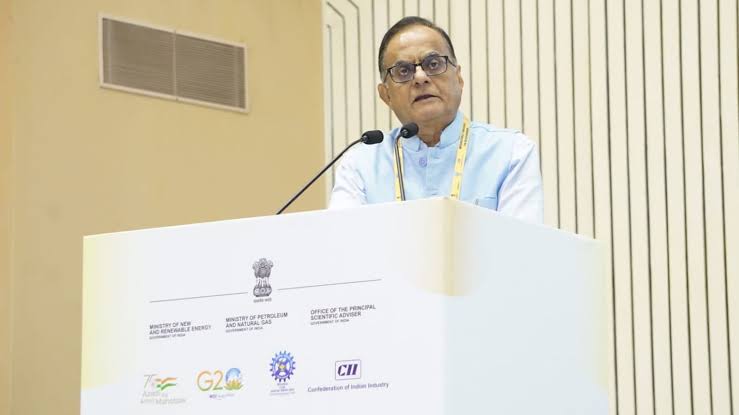
Prof. Ajay Kumar Sood emphasized the importance of setting measurable milestones. He suggested periodic internal audits and long-term targets that align India’s system with international gold standards. According to him, these reforms will enhance patient safety, build global trust, and boost predictability for manufacturers. He stressed that the transformation will make Indian medical products more reliable and competitive worldwide.
Collaboration Across Agencies
The meeting was attended by senior officials including Dr. Parvinder Maini, Scientific Secretary at the Office of PSA; Dr. Sindura Ganapathi, PSA Fellow; and Dr. Sangeeta Agarwal, Scientist ‘F’. Representatives from the Department of Health and Family Welfare also joined. This collaborative approach reflects India’s whole-of-government effort to build a stronger and more credible regulatory ecosystem.
Impact on Patients and Industry
For patients, the reforms mean quicker access to safe, affordable, and innovative treatments. For the pharmaceutical industry, the streamlined regulatory framework reduces delays and uncertainty. It enables Indian companies to compete globally while also contributing to domestic healthcare needs. By improving predictability and transparency, India is positioning itself as a trusted hub for medical innovation.
Looking Ahead
India’s regulatory transformation is ongoing. The challenge now is to maintain momentum and ensure reforms are implemented uniformly across states. With digitisation, benchmarking, and global alignment, India is moving toward becoming a leader in regulatory excellence. If the momentum continues, the country could soon set an example for other emerging economies.
Conclusion
The fourth review chaired by PSA Prof. Ajay Kumar Sood marks a turning point in India’s medical regulatory reforms. With digital innovation, clear guidelines, and global alignment, India is reshaping how drugs and therapies reach patients. The journey toward international gold standards has begun, and the reforms promise safer, faster, and more reliable access to medical products for millions.