 Strengthening Mental Healthcare Systems
At the core of India’s mental health response is the Mental Healthcare Act, 2017, which guarantees the right to mental healthcare and decriminalises attempted suicide, recognising severe stress as a health condition requiring care rather than punishment. The Act also regulates mental health establishments to improve service quality and accessibility.
The National Mental Health Programme (NMHP) is being implemented nationwide, with the District Mental Health Programme sanctioned in 767 districts. Through this, outpatient services, counselling, psychosocial interventions, medicines and outreach services are made available at district, community and primary healthcare levels.
Mental health services have also been integrated into Ayushman Arogya Mandirs after the upgradation of over 1.81 lakh Sub Health Centres and Primary Health Centres. Operational guidelines under Ayushman Bharat ensure early identification and management of mental, neurological and substance use disorders.
Tele-MANAS and Digital Access
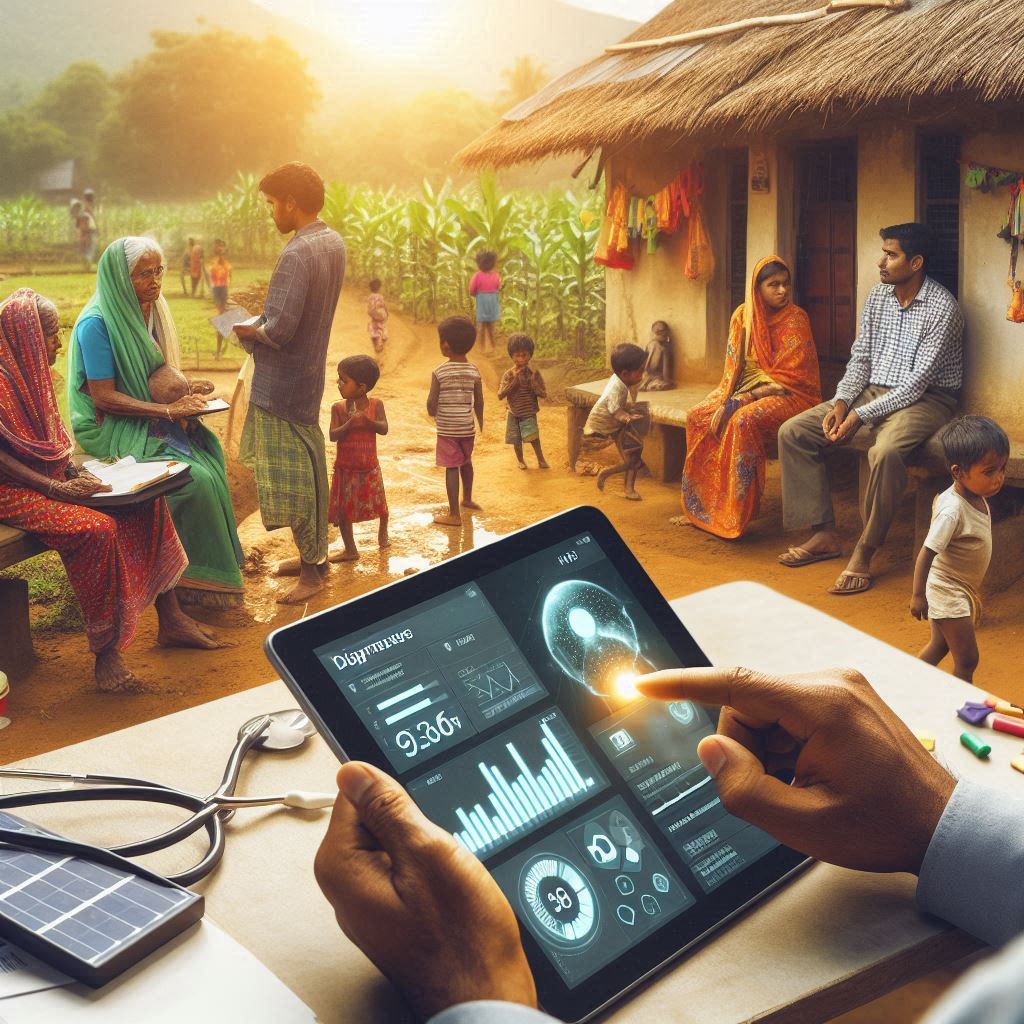
To bridge gaps in access, the National Tele Mental Health Programme, Tele-MANAS, was launched in October 2022. As of November 2025, 36 States and Union Territories have operationalised 53 Tele-MANAS cells, offering services in 20 languages.
More than 29.8 lakh calls have been handled, reflecting growing trust in remote mental health support. The launch of the Tele-MANAS mobile application in October 2024 and the addition of video consultation facilities have further strengthened outreach, especially for women facing mobility or social barriers.
Safety, Protection and Trauma Support
Recognising that violence, harassment and insecurity are major contributors to psychological stress, the Centre has expanded protection and rehabilitation mechanisms. Under Mission Shakti, 864 One Stop Centres are operational nationwide, providing medical aid, legal support, temporary shelter and counselling to women affected by violence.
Emergency Response Support System 112 is functional across all States and UTs, while Women Helpline 181 operates in 35 States and UTs. These services are supported by Women Help Desks in police stations and gender-sensitisation initiatives led by the Bureau of Police Research and Development.
Workplace Reforms and Legal Safeguards
The Department of Personnel and Training issues guidelines on gender sensitisation, harassment prevention and flexible working arrangements for central government employees. Additionally, the SHe-Box portal provides a unified platform to file and track complaints under the PoSH Act across public and private sectors.
Labour reforms under the four Labour Codes, implemented from November 2025, strengthen occupational safety, prohibit gender discrimination and mandate equal pay for equal work. The Occupational Safety, Health and Working Conditions Code allows women to work night shifts and in non-traditional roles with consent and safety safeguards, while capping work hours and mandating health check-ups.
Long-Term Empowerment and Resilience
Beyond healthcare and protection, the government emphasises socio-economic empowerment as a long-term stress mitigation strategy. Skill development, livelihood missions, self-help group promotion and financial inclusion initiatives aim to enhance income security and independence for women.
Social campaigns such as Beti Bachao Beti Padhao and gender equality initiatives address structural discrimination, while convergence among ministries ensures coordinated implementation.