 Understanding the Challenge of Lymphatic Filariasis
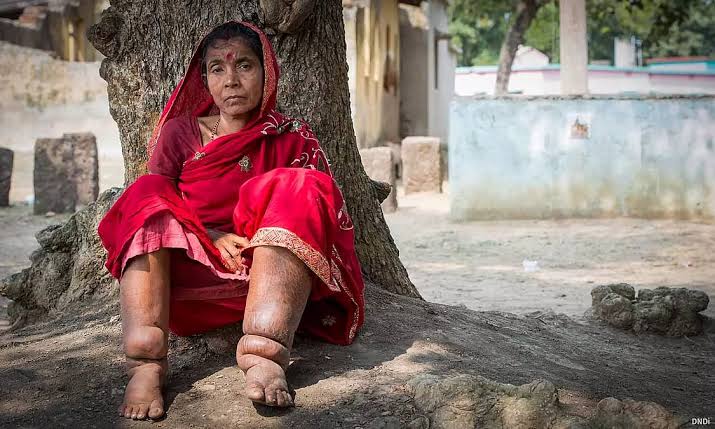
Lymphatic filariasis, commonly known as elephantiasis or haatipaon, is a vector-borne disease transmitted by the female Culex mosquito, which breeds in polluted and stagnant water. The infection damages the lymphatic system and can lead to chronic swelling, disability, social stigma, and loss of livelihood.
Currently, the disease remains endemic in 348 districts across 20 states and Union Territories. While significant progress has been achieved, the persistence of new infections highlights the need for sustained and focused interventions.
India’s Progress Towards Elimination
According to official data, 143 endemic districts have successfully stopped MDA after clearing Transmission Assessment Survey-1. However, 174 districts across 14 states continue annual MDA due to microfilaria prevalence remaining above one per cent, while 31 districts are at various stages of assessment.
As of 2024, over 6.20 lakh lymphoedema cases and 1.21 lakh hydrocele cases were reported, underscoring the urgency of intensifying elimination efforts.
Nadda Calls for Whole-of-Society Approach
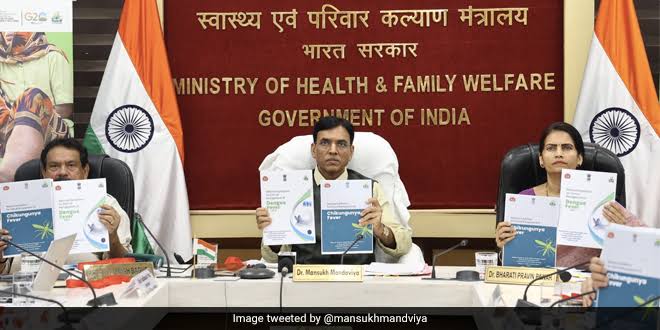
Addressing state leaders, Shri Nadda stressed that eliminating lymphatic filariasis is not just a health objective but a social and economic necessity. He highlighted that the disease severely impacts productivity, household income, and social dignity of affected families.
The Union Health Minister called for a whole-of-government and whole-of-society approach, urging the involvement of Panchayati Raj institutions, local leaders, allied ministries, and civil society to overcome last-mile challenges.
Enhanced Strategy and Annual MDA Rollout
From February 2026, India has transitioned to a unified annual MDA campaign under its enhanced five-pronged LF elimination strategy. This replaces the earlier biannual rounds, allowing improved supervision, streamlined logistics, and stronger surveillance.
The shift also provides sufficient time for critical assessments, including Night Blood Surveys, Pre-TAS, TAS, impact surveys, and morbidity management interventions.
Focus on Morbidity Management and Care
Shri Nadda emphasized the importance of Morbidity Management and Disability Prevention, including timely hydrocele surgeries and access to essential medicines. Ayushman Arogya Mandirs are expected to play a key role in early detection and treatment.
Hydrocele surgery has been included under the Ayushman Bharat–PMJAY scheme, ensuring financial protection and wider access to quality care for affected individuals.
Encouraging Results from Sustained Efforts
MDA coverage has improved from 75 per cent in 2014 to 85 per cent in 2025, supported by directly observed treatment. In 2025 alone, the campaign covered 14 states, targeting over 21.7 crore people and achieving 96 per cent coverage among the eligible population.
Medical college participation in coverage evaluation surveys has also expanded significantly, strengthening data quality and programme accountability.
Road Ahead to a Filariasis-Free India
The current campaign spans 124 districts and 719 blocks across 12 states, with the objective of reducing microfilaria prevalence below one per cent in all endemic areas. The Centre has mobilised multiple ministries to strengthen outreach, awareness, and community trust.
With sustained political commitment, community participation, and inter-sectoral coordination, India aims to achieve its goal of eliminating lymphatic filariasis as a public health problem by 2027 three years ahead of the global target.