
Why Fertility Trends Are Now Political
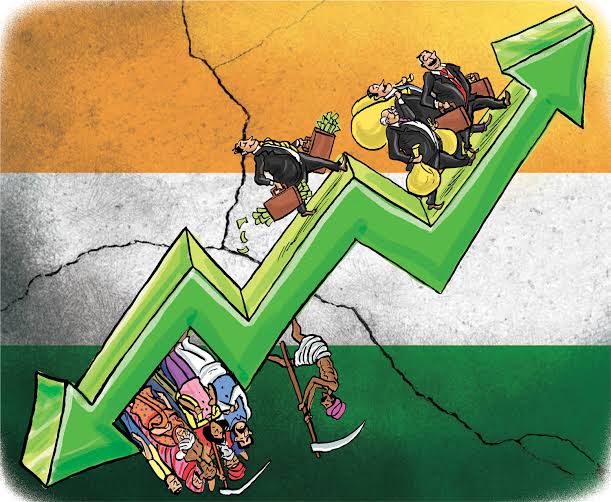
India, now the world’s most populous country, faces a surprising dilemma. On one hand, southern states have led the way in reducing fertility rates. On the other, this very success now threatens their political power.
World Population Day 2025 brings this paradox into sharp focus. In India, population trends aren’t just about numbers—they shape votes, governance, and federal balance.
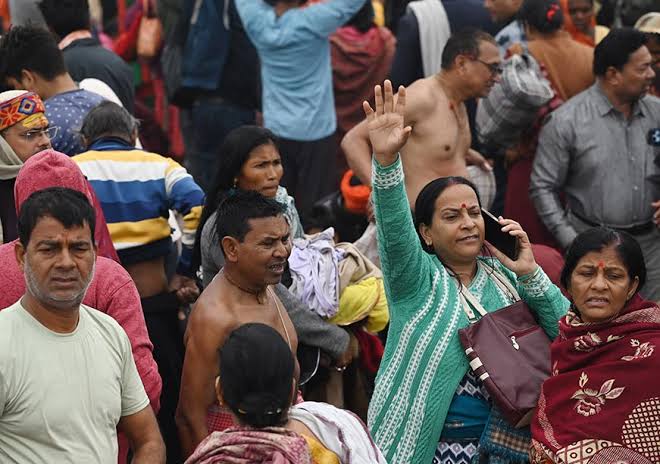

According to the UNFPA’s 2025 “State of World Population” report, India’s total fertility rate (TFR) has dropped from nearly 5 in the 1970s to around 2 in 2023. But this progress is not uniform.
States like Bihar (TFR: 3.0), Jharkhand, and Uttar Pradesh still report high birth rates. In contrast, Kerala and Tamil Nadu have been below the replacement rate (2.1) for years.
This uneven demographic map reflects deep-rooted inequalities in healthcare, education, gender norms, and economic development.
The Story of One Family in Bihar
Three generations of women in Bihar show this shift clearly:
- Saraswati Devi had five sons by age 30 in 1976.
- Anita Devi, her daughter-in-law, had six children in the 1990s.
- Pooja Kumari, Anita’s daughter, is now using birth control and has only one child so far.
The change is real, but it’s still incomplete in northern India. Fertility decline is slower and access to reproductive services is inconsistent.
The Political Storm: Delimitation and Census 2027
The next population census, scheduled for March 1, 2027, includes caste data. More importantly, it sets the stage for redrawing electoral boundaries.
Currently, Lok Sabha seats are distributed based on the 1971 census—when India’s population was 54.8 crore. Today, it’s over 140 crore, with northern states contributing the most to this growth.
Southern states now fear losing influence. If delimitation happens based on the new numbers, the number of seats will increase in populous states like Uttar Pradesh and Bihar, while Kerala, Tamil Nadu, and Karnataka may lose out.
Why the South Feels Cheated
Southern leaders argue this is a penalty for their demographic success. As Palanivel Thiaga Rajan of Tamil Nadu explains, these states contribute significantly to India’s GDP but may soon have less voice in Parliament.
The fear is not just political—it’s symbolic. It raises the question: Should representation reward responsible development?
Representation Beyond Numbers
Senior advocate Sanjay Hegde reminds us: governance isn’t just about counting people. It’s about fairness, equity, and rewarding long-term efforts in population control and human development.
Since 1976, delimitation has been frozen to avoid political conflict. But with the 2026 deadline approaching, this debate is once again on fire.
The Hidden Crisis: Reproductive Autonomy
Despite lower birth rates overall, India faces another challenge. According to UNFPA, one in three adult Indians experiences unplanned pregnancies. Around 30% of women desire fewer children but lack the means or support.
This points to a crisis of access—one that policies must urgently address.
A Call for Unity on World Population Day
As we mark World Population Day, the issue isn’t just growth. It’s about fairness, women’s rights, equitable development, and balanced representation.
India has launched rockets, built global tech hubs, and lifted millions out of poverty. But it must now solve a complex puzzle: How to balance political power in a land where progress is uneven.
We are eight billion humans on one planet. Let us ask—can we move beyond numbers, caste, borders, and politics? Can we instead prioritize equality, opportunity, and sustainability?
For India, it’s time to ensure that demographic progress is rewarded—not punished.