
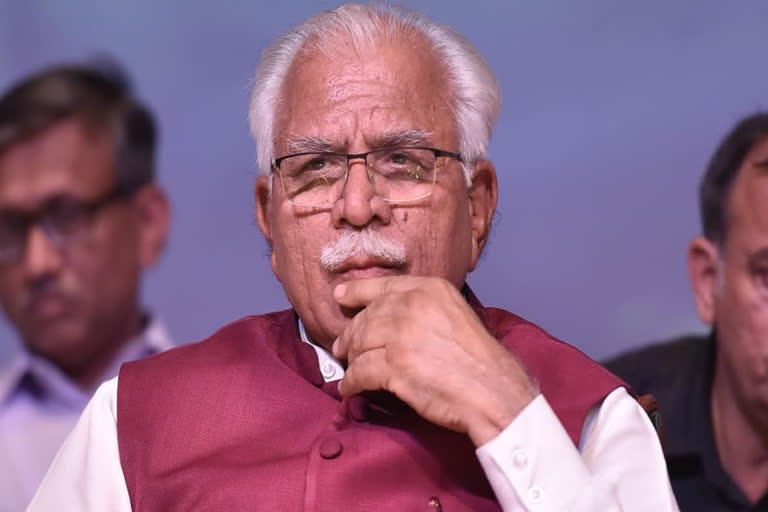
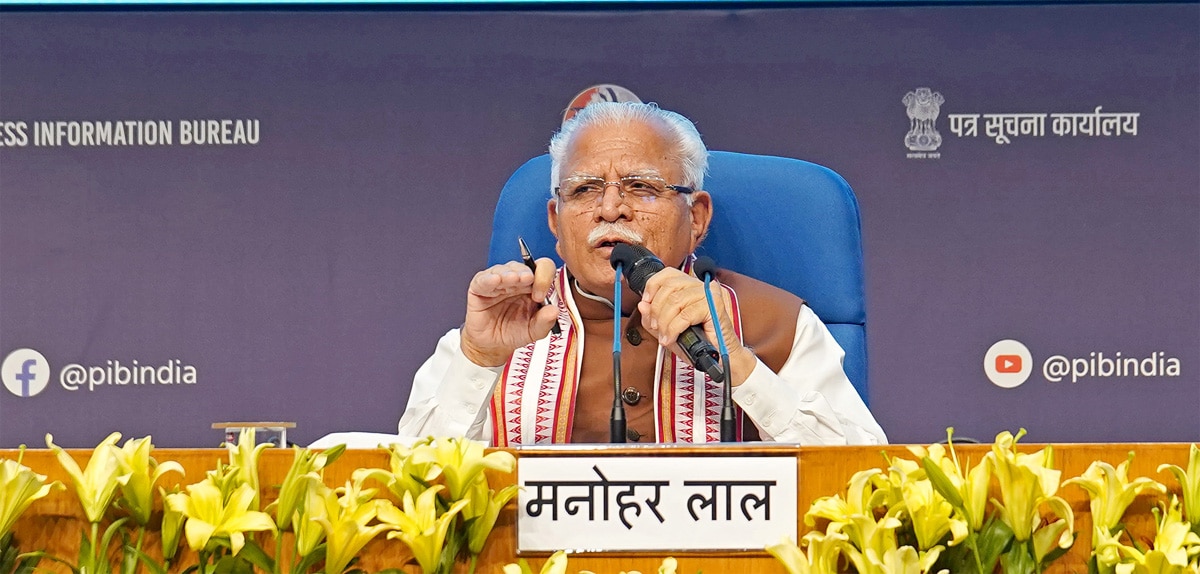
Union Minister Shri Manohar Lal recently highlighted 11 years of truly transformative growth in India’s power sector. Addressing a press conference in New Delhi today, he underscored the government’s unwavering commitment. “Our goal is to make power accessible to everyone, at all times,” Shri Manohar Lal declared. The government aims for 100% electrification of households across the country, a significant stride towards energy equity. India has successfully become power sufficient, meeting all its power demands, and is well on the path to becoming a power surplus country.

Powering a Nation: Meeting Demand and Surpassing Shortages
India’s power sector has demonstrated remarkable growth and resilience. Union Minister Shri Manohar Lal proudly informed reporters that India successfully met a peak power demand of 241 GW on June 9, 2025. This impressive achievement stands out with zero peak shortage reported, a testament to the nation’s robust power infrastructure.
This success is even more striking when we look at the historical context. India’s national energy shortage has drastically reduced to a mere 0.1% as of April 2025. This marks a monumental improvement from the 4.2% shortage experienced in 2013-14, ensuring greater power availability for all.
Renewable Surge and Storage Revolution
India has not just met demand; it has also expanded its generation capacity at an unprecedented pace. Shri Manohar Lal announced that India added its highest-ever generation capacity of 34 GW during 2024-25. Notably, renewable energy (RE) accounted for 29.5 GW of this addition, showcasing India’s strong commitment to green energy. The nation’s total installed capacity now stands impressively at 472.5 GW, a significant leap from 249 GW in 2014.
Recognizing the crucial role of storage for renewable energy integration, the Ministry of Power has initiated a big push for Battery Energy Storage Systems (BESS). Shri Manohar Lal announced the approval of a Viability Gap Funding (VGF) scheme for 30 GWh of BESS. This comes in addition to the 13.2 GWh already underway. This substantial ₹5,400 Crore scheme aims to attract an astounding ₹33,000 Crore in investment, meeting the country’s BESS requirement by 2028. Furthermore, the waiver of Inter-State Transmission System (ISTS) charges for storage projects has been extended until June 30, 2028. This benefits Pumped Storage Projects awarded and Battery Energy Storage Systems commissioned before this date, providing a vital boost to the sector.
Strengthening the Grid: Transmission System Upgrades
India is truly set to revolutionize its power transmission capabilities. Shri Manohar Lal highlighted the rollout of an Ultra High Voltage Alternating Current (UHV AC) Transmission System. By 2034, nine 1100 kV lines and ten substations are slated for development. The Central Power Research Institute actively develops testing facilities for this ambitious project, which projects an investment of ₹53,000 Crore. This initiative will reshape India’s grid for future demands.
Empowering Local Grids and Landowners: Policy Reforms
In a landmark move, the central government has also significantly increased compensation for land used in laying transmission lines. This directly addresses Right of Way issues, easing infrastructure development. Compensation for the tower area has jumped from 85% to 200% of the land value. For the Right of Way (RoW) corridor, it increased from 15% to 30%, directly linking land value to market rates. Haryana and Delhi have already adopted the new guidelines issued on March 21, 2025.
Additionally, to attract more private investment and ensure financial discipline, the Late Payment Surcharge (LPS) Rules have expanded. They now include Intra-State Transmission Systems. This crucial reform, previously applied only to Inter-State Transmission Systems, aims to bolster Intra-State Transmission networks, particularly to absorb Renewable Electricity.
A Flexible and Resilient Future
Adding crucial flexibility to the grid, the 250 MW first unit of Tehri Pumped Storage Project (PSP) in Uttarakhand has been commissioned. This project will significantly help manage peak demand and seamlessly integrate renewable energy sources. This marks another step towards a more resilient and sustainable power future for India. (To learn more about Pumped Storage Projects, explore: www.powermin.gov.in/en/content/hydro-power).
Shri Manohar Lal’s announcement paints a vivid picture of a nation committed to energy security, sustainability, and universal access. India’s power sector is not just growing; it is undergoing a profound transformation, setting new benchmarks for efficiency and innovation.