How the Device Works
Led by Dr. Ashutosh K. Singh, the team engineered a silicon-based photoanode with n-i-p heterojunction architecture. This structure stacks three layers: n-type titanium dioxide (TiO₂), intrinsic silicon, and p-type nickel oxide (NiO).
This thoughtful material choice enables better charge separation, faster transport, and less energy loss. All layers were applied using magnetron sputtering—a precise, scalable process already used in industries.
Breakthrough Performance
The prototype achieved a surface photovoltage of 600 mV and an ultra-low onset potential of just 0.11 VRHE. These numbers reflect its high efficiency in converting solar energy into hydrogen through water electrolysis.
But that’s not all—it ran continuously for over 10 hours in alkaline conditions with only a 4% drop in performance. That level of stability is rare, especially in silicon-based water-splitting devices.
Scalability and Cost Benefits
Unlike lab-only experiments, this system worked on a large 25 cm² photoanode—proving its potential for real-world applications. Plus, the use of abundant materials like silicon, TiO₂, and NiO makes it affordable for mass production.
What Experts Say
“By choosing smart materials and combining them into a heterostructure, we’ve created a device that boosts performance and can be manufactured at scale,” said Dr. Ashutosh K. Singh.
Their research was recently published in the Journal of Materials Chemistry A, backed by the Royal Society of Chemistry.
 Why Green Hydrogen Matters
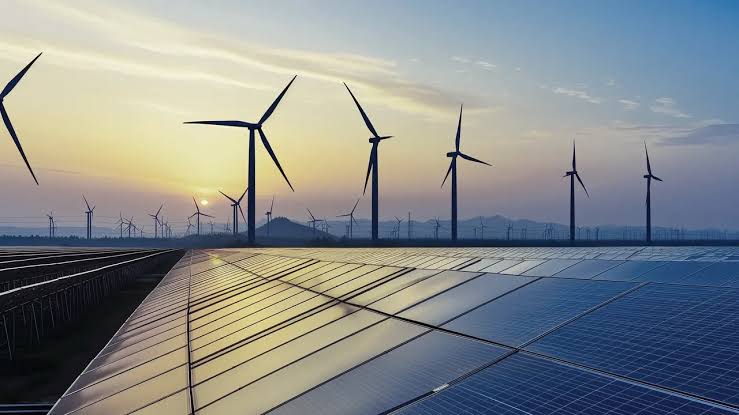
Green hydrogen is a clean fuel that can power industries, run vehicles, and store renewable energy. Unlike grey hydrogen—which uses fossil fuels—green hydrogen has zero carbon emissions. However, until now, it’s been hard to produce at scale without high costs or rare resources.
This new device could be a game-changer, offering India a pathway to lead in Clean energy innovation.
With additional R&D, this technology could scale up for use in homes, factories, and even vehicles. India’s commitment to its National Green Hydrogen Mission could benefit greatly from such indigenous innovations.