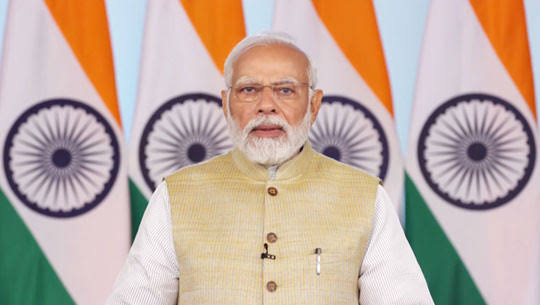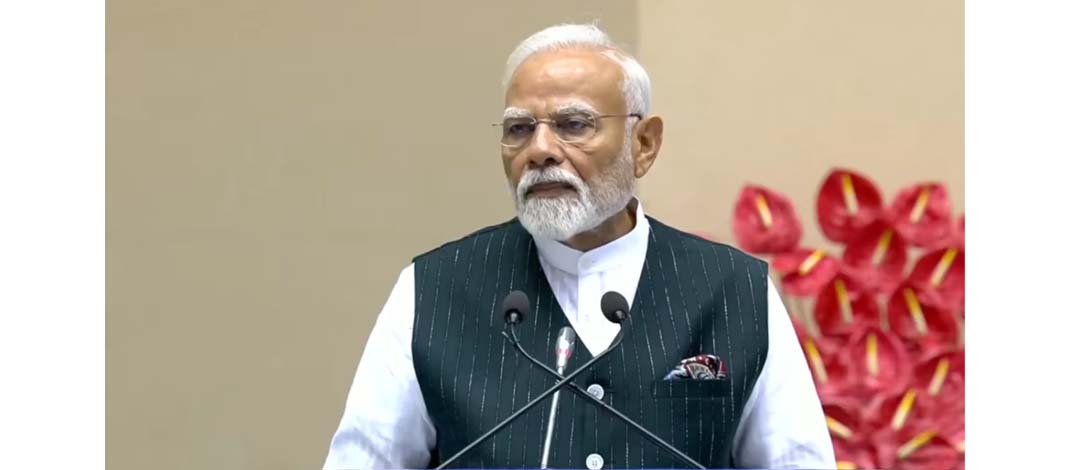
PM Modi noted, “From infrastructure and defence to electric mobility and clean energy, steel is the backbone of a rising India.” His remarks emphasized that the steel sector is no longer just a heavy industry—it’s a strategic pillar of national development.
Steel’s Expanding Role Across Sectors
India’s steel consumption is rapidly rising in diverse sectors. Infrastructure projects like expressways, high-speed rail, and urban metro lines heavily rely on domestically produced steel. In defence, steel is critical for manufacturing tanks, ships, and weapons systems. Meanwhile, clean energy sectors like solar and wind require steel-intensive components like turbines and support structures.
Electric vehicles (EVs), a priority for the Indian government, also depend on lightweight, high-strength steel to enhance safety and reduce carbon emissions. This cross-sectoral demand is placing India’s steelmakers in a pivotal position.
 Policy Push and Structural Reforms
The government has undertaken critical policy steps to support the steel sector:
- Production-Linked Incentive (PLI) Scheme for specialty steel worth ₹6,322 crore.
- Reduced import dependence on high-grade steel and raw materials.
- National Steel Policy 2017 aiming for 300 MT capacity by 2030.
- Environmental norms encouraging green steel technologies.
Union Minister Kumaraswamy emphasized that these initiatives have already begun to show results. Domestic capacity has surged, and India is now the second-largest steel producer in the world.
Innovation: The New Steel Backbone
Technology adoption is accelerating across the steel value chain. Indian producers are increasingly investing in:
- Hydrogen-based steelmaking
- Low-carbon emission furnaces
- Digital automation and process control
- Recycling and circular economy models
Startups and research institutions are also contributing to material science breakthroughs that enable stronger, lighter, and more corrosion-resistant steels. This shift is essential for meeting the twin goals of global competitiveness and environmental sustainability.
India’s Global Steel Footprint
Exports have surged with the Make in India initiative. Countries in the Middle East, Africa, and Southeast Asia are major buyers of Indian steel. This growth is not just economic—it’s also strategic. Steel exports reflect India’s increasing role as a global industrial player.
In 2024-25, India exported over 14 million tonnes of finished steel, marking a 23% year-on-year increase. With new free trade agreements on the horizon, exports are expected to rise further.
Steel for Aatmanirbhar Bharat
As the government pushes for Aatmanirbhar Bharat, or self-reliance, steel will play a foundational role. Indigenous production ensures supply chain security and reduces foreign dependency—especially important in defence and infrastructure.
With targeted policy support and a strong innovation ecosystem, India is poised to not only meet its domestic steel demands but also emerge as a leader in global supply chains.