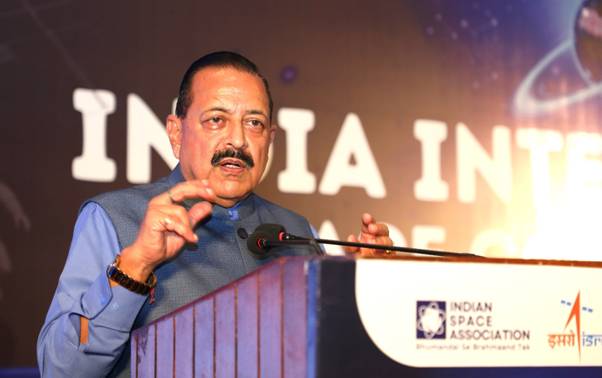
In a stirring reflection of India’s growing prowess in science and defence, Union Minister Dr. Jitendra Singh on Saturday declared that the nation’s supremacy in modern warfare has been clearly demonstrated over the past four days. Speaking at the National Technology Day celebrations at Ambedkar International Centre in New Delhi, Dr. Singh credited the visionary leadership of Prime Minister Narendra Modi for ushering in an era of indigenous technological advancement that has significantly strengthened India’s national security.
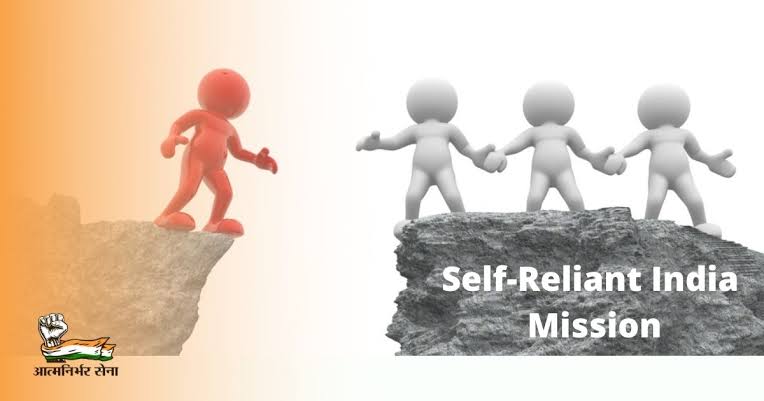
With heartfelt pride, Dr. Singh highlighted how India’s success in developing home-grown technologies is not just a feat of innovation, but a crucial pillar of its modern warfare capabilities. “Most of the technologies used today in defence are indigenously developed, and it is Prime Minister Modi who instilled the confidence in us to seek Aatmanirbhar Bharat,” he said, evoking a strong sense of national purpose and resilience.
Marking the 27th year of National Technology Day—a date first observed in 1998 to commemorate the Pokhran nuclear tests—Dr. Singh recalled how the dream envisioned by former Prime Minister Atal Bihari Vajpayee has come to full bloom under the current government. What began as a bold aspiration is now a full-fledged movement transforming India into a global technological leader.
Since 2014, the drive for indigenization has intensified, with a clear emphasis on reducing dependency on foreign technology and nurturing domestic innovation. Dr. Singh underscored this journey as a vital step towards the goal of a “Viksit Bharat @2047”, a future-ready India built on self-reliance and scientific excellence.
He commended the efforts of the Technology Development Board under the Department of Science and Technology for backing pioneering initiatives, such as the 1000-drone show during the Beating Retreat ceremony—once a symbolic gesture, now a core asset in India’s defence strategy. This year’s theme, “YANTRA”, symbolizing transformation through technological acceleration, was especially fitting.
The minister also celebrated India’s impressive ascent in global innovation rankings—from 81st to 39th—and the growing dominance of Indian-origin patent filings, now at 56%. These milestones reflect not just policy success, but a renewed confidence among Indian scientists, researchers, and entrepreneurs. He proudly noted that India now boasts the world’s third-largest startup ecosystem, marking a new dawn for domestic enterprise and innovation.
Significantly, India’s defence exports have surged from ₹2,000 crore to ₹16,000 crore over the last decade. This leap showcases how indigenously developed solutions are not only meeting national demands but are also being recognized globally. Additionally, public investment in research and development has more than doubled, with similar increases in science ministry budgets and a near tripling of the space sector allocation—driven by bold reforms inviting private participation.
Dr. Singh emphasized policy measures such as ‘One Nation, One Subscription’ and the unified research fellowship portal, which have streamlined the research environment and opened doors for more inclusive innovation.
The event also saw the release of a compendium celebrating “Super 30 Startups” supported by the TDB, and the announcement of fresh calls for proposals under the National Quantum Mission. Project grants were also handed out to promising industry-academia collaborations focusing on Carbon Capture and Storage—demonstrating a proactive approach to environmental challenges through technology.
As Dr. Singh concluded his address, he spoke not only with pride but with a deep sense of responsibility. “The 27th National Technology Day marks international recognition of India’s leadership in science and technology, setting the tone for India @2047,” he said, offering a vision of a future where India leads not just in ideas, but in action.
Also present at the event were distinguished figures such as Padma Bhushan Ajai Chowdhary, and secretaries of DST, DBT, and TDB, who echoed the call for a united national effort toward true self-reliance. The atmosphere was one of inspiration, a reminder that India’s scientific journey is both a legacy and a promise—to dream boldly, act decisively, and build a future driven by knowledge and innovation.