DAJA 2025: A Historic Push for Tribal Empowerment in India
The Government of India has launched its most ambitious campaign yet for tribal upliftment—Dharti Aaba Janbhagidari Abhiyan (DAJA). In just nine days, the campaign has touched over 53 lakh tribal citizens through 22,000+ empowerment camps across the country.
Under the broader vision of Viksit Bharat@2047, DAJA aims to saturate tribal habitations with welfare schemes. These include health insurance, financial inclusion, identity services, and entrepreneurship support.
 1 Lakh+ Villages, 5.5 Crore Citizens Targeted
DAJA is more than a welfare initiative. It’s a massive public movement spanning over 1 lakh tribal villages and PVTG (Particularly Vulnerable Tribal Group) habitations across 31 States and UTs.
Running from 15 June to 15 July 2025, the campaign is designed to bring government services to the doorsteps of India’s most remote tribal communities.
Impact in First 9 Days: By the Numbers
The early numbers from DAJA are impressive:
-
1.38 lakh Aadhaar enrollments
-
1.68 lakh Ayushman Bharat cards issued
-
46,000+ PM-Kisan registrations
-
22,000+ Ujjwala Yojana beneficiaries enrolled
-
32,000+ PM Jan Dhan bank accounts opened
These numbers reflect the power of last-mile delivery and the success of converged governance.
Bhagwan Birsa Munda: The Spirit Behind DAJA
The campaign honors the legendary tribal leader Bhagwan Birsa Munda, also known as Dharti Aaba, under the umbrella of Janjatiya Gaurav Varsh.
DAJA reflects PM Narendra Modi’s vision of “Sabka Saath, Sabka Vikas, Sabka Vishwas, Sabka Prayas”, placing tribal communities at the center of India’s development journey.
Snapshots from the Ground: States in Action
-
Ladakh: Finance Minister Smt. Nirmala Sitharaman promotes tribal millet nutrition in Rongo
-
Madhya Pradesh: Governor Mangubhai Patel launches DAJA in Sehore with folk dances
-
Assam: CM Himanta Biswa Sarma calls it a “new era” in Northeast tribal development
-
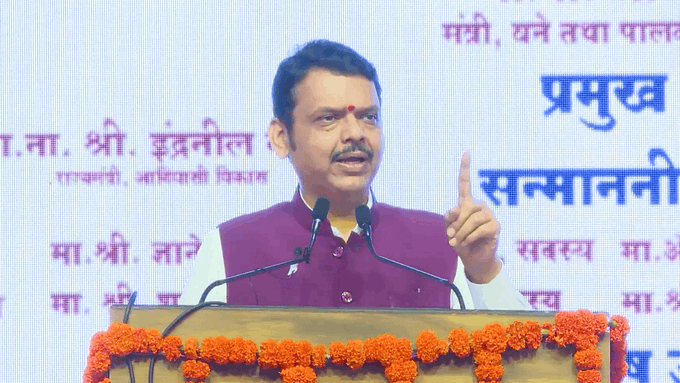
Maharashtra: CM Devendra Fadnavis pushes tribal entrepreneurship through DAJA camps
-
Andhra Pradesh: Focus on forest-dwelling tribes in Parvathipuram
-
Kerala: Wayanad’s Tribal Conclave drives district-level planning
These snapshots prove that DAJA is both national in scale and local in spirit.
Leadership Speaks: Voices of Inclusion
Shri Jual Oram, Union Minister for Tribal Affairs:
“This is a mass movement, not just a campaign. It’s about dignity and equity.”
Shri Durga Das Uikey, MoS Tribal Affairs:
“The energy of tribal youth and women defines DAJA’s true success.”
Shri Vibhu Nayar, Secretary, Tribal Affairs:
“DAJA uses real-time dashboards and cultural outreach—this is next-gen governance.”
5 Pillars of DAJA: A New Governance Model
-
Janbhagidari – Led by communities, not just officials
-
Saturation – No tribal home left behind
-
Cultural Inclusion – Language, arts, and customs at the core
-
Convergence – Ministries, CSOs, and youth groups work together
-
Last-Mile Delivery – Deepest hamlets now connected to national schemes
Get Involved: Be Part of the Movement
The Ministry of Tribal Affairs calls upon every citizen to:
-
Visit a Jan Seva Camp and share success stories
-
Celebrate tribal heritage online using hashtags:
#DhartiAabaAbhiyan,#PMJANMAN,#EmpoweringTribalsViksitBharat -
Document tribal wisdom, languages, and crafts
-
Support youth-led tribal initiatives through volunteering
DAJA: A People’s Revolution for Inclusive Growth
DAJA is not just policy—it is people-led progress. As India marches toward 2047, this campaign redefines tribal empowerment as a movement that blends technology, tradition, and trust.
By placing tribal voices at the forefront, the Government of India is making history—one village at a time.