 Why Tunnel Infrastructure Matters
Tunnels are more than underground passages; they are catalysts of transformation. By bypassing difficult terrain, they reduce travel time, lower fuel consumption, and enhance safety while ensuring uninterrupted connectivity during harsh weather.
Strategically, tunnels strengthen defence preparedness in border regions. Economically, they stimulate tourism, trade and employment, creating resilient transport corridors vital for long-term growth.
India’s Technological Leap in Tunnelling
Over the past decade, India has transitioned from conventional drill-and-blast methods to advanced tunnelling technologies. Projects now rely on sophisticated geological surveys, real-time monitoring, and digital safety systems.
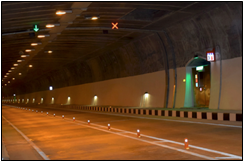
Modern tunnels are designed as integrated infrastructure assets, equipped with ventilation systems, fire safety units, CCTV surveillance, LED lighting and centralised control rooms. This shift has significantly enhanced operational efficiency and disaster preparedness.
Engineering Techniques Powering the Revolution
Tunnel Boring Machines (TBMs) are widely used in metro and rail projects, offering precision and minimal surface disruption. In fragile Himalayan geology, the New Austrian Tunnelling Method (NATM) allows engineers to adapt excavation support in real time.
Integrated Tunnel Control Systems combine ventilation, communication, fire detection and emergency response, ensuring 24×7 safety in long road tunnels.
Landmark Tunnels Redefining Connectivity
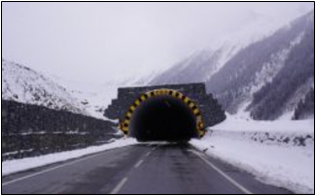
The 9.02-km Atal Tunnel beneath the Pir Panjal range has revolutionised access to Lahaul-Spiti by bypassing Rohtang Pass. Recognised as the world’s longest highway tunnel above 10,000 feet, it has drastically reduced travel time and ensured year-round access.
Jammu and Kashmir has emerged as a hub of tunnel innovation. The Banihal–Qazigund Tunnel, Dr Syama Prasad Mookerjee Tunnel and the upcoming Sonamarg Tunnel have established reliable all-weather links across avalanche-prone regions.
The Sela Tunnel in Arunachal Pradesh, built at an altitude of 13,000 feet, has strengthened connectivity to Tawang while holding immense strategic importance for the armed forces.
Rail Tunnels Transforming Freight and Mobility
Tunnel T50 under the Udhampur–Srinagar–Baramulla Rail Link stands among India’s longest rail tunnels. Built through challenging geology, it is a vital component in connecting the Kashmir Valley with the national rail network.
The Rishikesh–Karnaprayag rail project in Uttarakhand represents a landmark in Himalayan tunnelling, with the majority of its alignment running underground to minimise ecological impact.
Urban and Underwater Breakthroughs
India achieved a historic milestone in 2024 with the launch of its first underwater metro tunnel beneath the Hooghly River in Kolkata. Linking Esplanade and Howrah Maidan, the project has redefined urban mobility in one of the country’s busiest metropolitan regions.
Meanwhile, the Mumbai–Ahmedabad High-Speed Rail corridor features a technically complex undersea tunnel, marking a futuristic leap in India’s rail engineering capabilities.
The Next Wave: Zojila and Beyond
The Zojila Tunnel, set to become India’s longest road tunnel, is poised to provide all-weather connectivity between Ladakh and the rest of the country. Designed with advanced safety and ventilation systems, it will significantly enhance civilian mobility and defence logistics.
Scheduled for completion by 2028, the project underscores India’s commitment to resilient infrastructure in the most challenging environments.
Building a Resilient Future
India’s tunnel infrastructure reflects a broader shift toward smarter, technology-driven development. These projects are overcoming natural barriers while aligning economic growth with strategic priorities.
As more tunnels come into operation, they will continue to reduce distances, strengthen regional integration and ensure that geography no longer limits progress.