 A Flashback to 2012: Early Warning Signs
The current tension between airlines and travel portals is not new. In April 2012, IndiGo made headlines when it withdrew its entire inventory from MakeMyTrip. At the time, the airline alleged unfair practices related to fare listings.
The move sent shockwaves through the aviation ecosystem. Though the standoff was eventually resolved, it marked the beginning of a more assertive approach by airlines in controlling distribution channels.
Direct Sales Strategy Gains Momentum
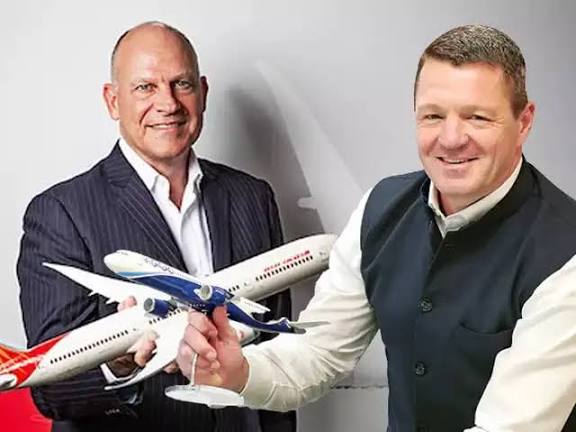
Today, IndiGo and Air India collectively control a substantial share of the domestic market. According to data from the Directorate General of Civil Aviation (DGCA), available at https://dgca.gov.in, the two carriers together account for the majority of passenger traffic in India.
With rising passenger volumes and improved digital capabilities, airlines are investing heavily in direct customer acquisition. Mobile apps, flash sales and bundled offerings are increasingly marketed exclusively through airline platforms.
By steering customers to direct channels, airlines save on distribution costs and gain better control over pricing, ancillary sales and customer data.
Impact on MakeMyTrip and Peers
MakeMyTrip remains India’s oldest listed online travel player, while newer firms such as Ixigo, Yatra and TBO Tek have tapped public markets at premium valuations. Their business models depend significantly on flight bookings, which form a large share of overall revenue.
Analysts warn that if airlines aggressively limit inventory or reduce commissions, travel portals could see margin compression. Although OTAs offer price comparison, convenience and bundled packages, their bargaining power may weaken in a market dominated by two major carriers.
However, travel firms are diversifying. Many are expanding into hotels, holiday packages, bus bookings and international travel to reduce reliance on domestic air ticketing.
Market Structure and Competition Concerns
The growing concentration of market share in the hands of two airlines has also sparked conversations about competition and pricing power. While no formal regulatory action has been indicated, aviation oversight in India falls under the Ministry of Civil Aviation, whose policies can be accessed at https://www.civilaviation.gov.in.
Industry experts note that intense competition between IndiGo and Air India could still keep fares competitive. At the same time, their combined dominance gives them leverage over distribution partners.
Consumers Caught in the Middle
For travellers, the shift could bring mixed outcomes. Direct bookings may offer exclusive deals or loyalty benefits. On the other hand, OTAs provide aggregated comparisons, customer reviews and bundled discounts that many passengers value.
Some analysts believe the future may involve a hybrid model, where airlines maintain strong direct channels while selectively partnering with online platforms for reach and marketing support.
India’s aviation sector continues to expand rapidly, driven by rising disposable incomes and regional connectivity initiatives. As the market matures, the balance of power between airlines and digital intermediaries will likely remain a key theme.
For now, the IndiGo-Air India duopoly is undeniably reshaping the competitive dynamics of India’s online travel market creating turbulence not just in the skies, but also in the boardrooms of travel tech companies.