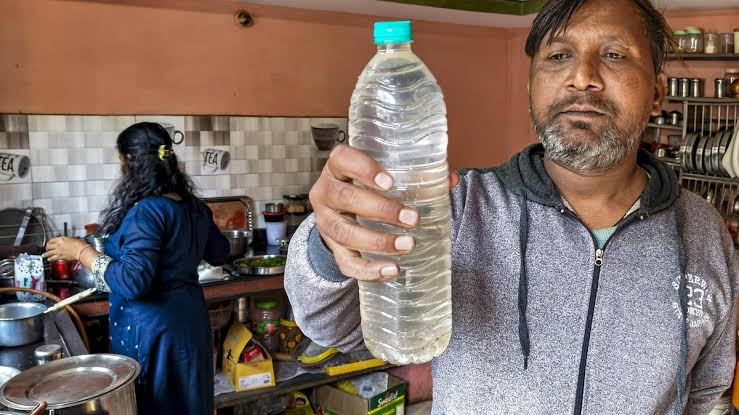
A six-month-old infant, born after a decade of prayers and waiting, has died in Indore after consuming milk prepared with contaminated municipal water. The tragedy has become the most heartbreaking symbol of the ongoing water contamination crisis in the city’s Bhagirathpura area, where hundreds of residents have fallen ill due to a severe vomiting and diarrhoea outbreak.
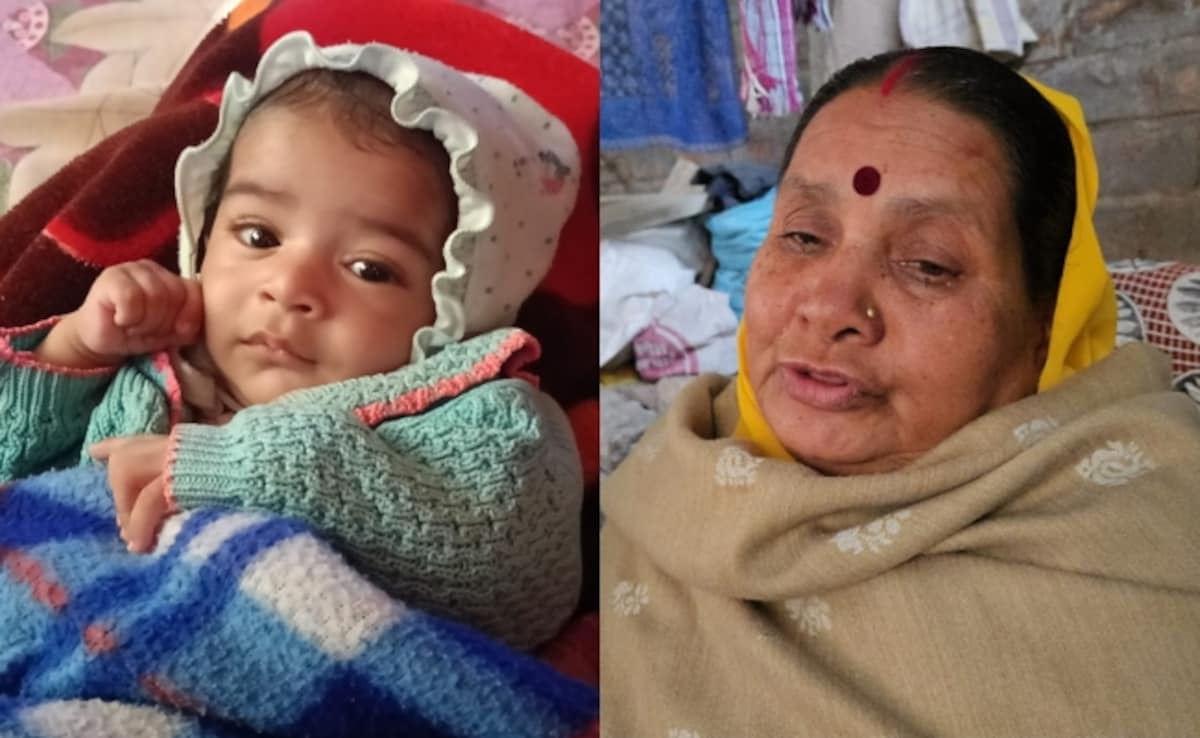 A Child Born After Years of Hope
Avyan’s grandmother, Krishna Sahu, said the child was born after nearly ten years of prayers and religious vows by the family. The infant was healthy, playful, and had been gaining weight steadily, she recalled, her voice breaking as she described the loss.
According to the family, Avyan suddenly developed diarrhoea a few days before his death. Medicines were administered at home on a doctor’s advice, but his condition deteriorated rapidly. He was rushed to a hospital, where doctors declared him dead on arrival.
Milk Prepared With Municipal Water
The family alleges that the infant fell ill after consuming packaged milk and milk powder mixed with municipal tap water. Due to insufficient breast milk, the baby was dependent on formula feeds prepared using water supplied by the Indore Municipal Corporation.
“The water looked normal, but it was poisoned,” Krishna Sahu alleged. She added that the family has refused to accept any compensation announced by the state government, stating that no amount of money could replace the loss of a child.
Fear and Anger Grip Bhagirathpura
The tragedy has sent shockwaves through Bhagirathpura, a densely populated locality that has emerged as the epicentre of the outbreak. Residents say fear has taken over daily life, with families avoiding tap water even for basic household needs.
Neighbour Anita Sen, who has three young children at home, said the incident has left mothers terrified. “The government must ensure clean water. No parent should lose a child because of something as basic as drinking water,” she said.
Scale of the Health Crisis
Health department officials have confirmed that more than 1,400 people have been affected by vomiting and diarrhoea over the past nine days. At least 272 patients were admitted to hospitals, while dozens required intensive care treatment.
While local residents claim that up to 15 people may have died during the outbreak, authorities have officially confirmed four deaths so far. The discrepancy has further fuelled distrust between residents and the administration.
Government Response and Accountability
The Madhya Pradesh government has announced an ex-gratia compensation of ₹2 lakh for the families of the deceased. Senior officials have been directed to investigate the source of contamination, and water samples are being tested across affected zones.
Political pressure has also mounted, with opposition parties demanding strict action against officials responsible for lapses in water safety. The incident has reignited a broader debate on urban infrastructure failures and public health preparedness.
Systemic Failure, Human Cost
Public health experts warn that the Indore incident reflects a deeper systemic failure in monitoring water pipelines, sewage leakage, and emergency response mechanisms. They stress that infants and elderly residents remain the most vulnerable during such outbreaks.
As the city struggles to contain the crisis, Avyan’s death stands as a grim reminder that governance failures are measured not just in statistics, but in lives irreversibly lost.