
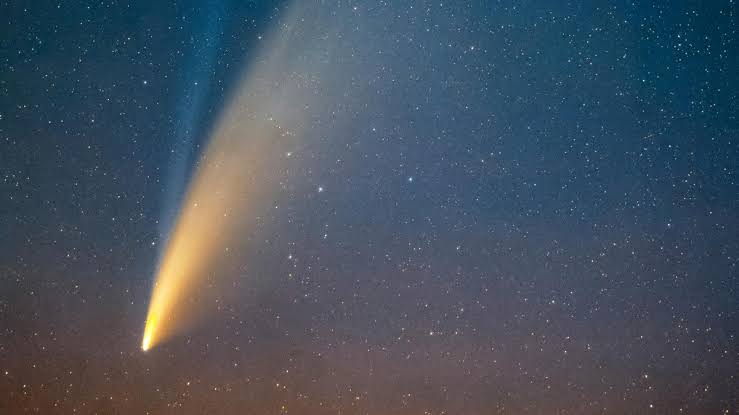
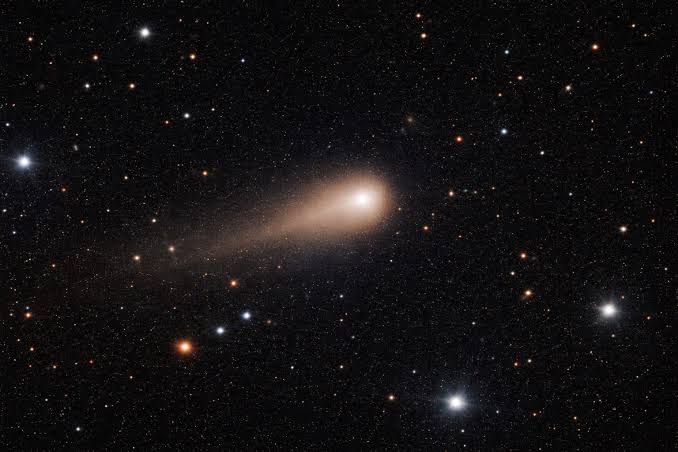

Comet 3I/ATLAS is only the third confirmed interstellar object detected passing through our solar system, following the discoveries of ‘Oumuamua in 2017 and comet 2I/Borisov in 2019. Such objects originate outside the Sun’s gravitational influence and offer rare scientific insights into planetary systems beyond our own.
Detected by the ATLAS (Asteroid Terrestrial-impact Last Alert System) survey, the comet’s trajectory indicates it is not gravitationally bound to the Sun, confirming its interstellar origin.
Live Observation Scheduled for January 22
The Virtual Telescope Project, led by Italian astronomer Gianluca Masi, will stream the live observation starting at 23:30 UTC on January 22, 2026. The session was scheduled after a planned earlier broadcast on January 16 was cancelled due to unfavourable weather conditions.
Following requests from astronomy enthusiasts worldwide, the team decided to organise a new live session timed precisely with the comet’s opposition.
How to Watch the Event Online
The live broadcast will be accessible through the Virtual Telescope Project’s official webTV platform. Viewers will not need any special equipment or registration; they simply need to join the stream at the scheduled time.
The project is known for delivering high-quality real-time views of celestial events using remotely operated telescopes located under dark skies.
Scientific Importance of Interstellar Objects
Interstellar comets like 3I/ATLAS provide astronomers with a unique chance to study material formed around distant stars. Unlike native comets, these objects carry chemical signatures from entirely different stellar environments.
According to astronomers, such observations help refine theories of planetary formation and the exchange of material between star systems.
Support for Astronomy Outreach
The Virtual Telescope Project has also invited space enthusiasts to support its work through voluntary donations. Supporters receive exclusive high-resolution images of comet 3I/ATLAS and other deep-sky objects captured during observation sessions.
Details about similar astronomical outreach initiatives can be found on the Indian Space Research Organisation website, while public astronomy programmes are also highlighted by institutions such as the Vigyan Prasar.
A Rare Cosmic Opportunity
With favourable geometry and online accessibility, the January 22 event offers a rare chance for the public to witness an interstellar traveller in real time. While such objects pass through the solar system unnoticed for millions of years, modern technology now allows scientists and citizens alike to observe them as they journey back into interstellar space.
Astronomy enthusiasts are encouraged to mark their calendars for this rare celestial event.