
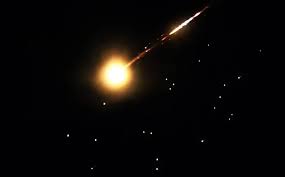
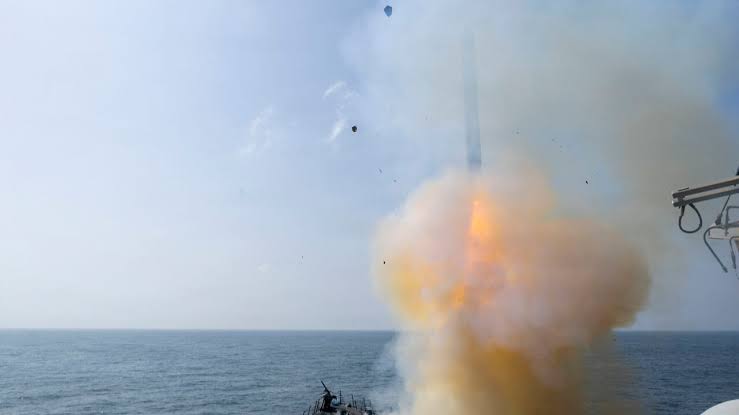

Ankara described the development as a hostile act and said it reserves the right to respond if further threats emerge. The government also urged all parties involved in the regional war to avoid steps that could deepen instability.
Turkey shares a nearly 500-kilometre border with Iran and has long maintained a delicate diplomatic balance between Western allies and regional powers. As a member of NATO, Turkey’s air defence network is integrated with alliance systems, allowing rapid interception of airborne threats.
Officials emphasised that the missile did not reach Turkish territory and was destroyed before causing any damage. However, the symbolic significance of an Iranian missile approaching NATO-member airspace is likely to have far-reaching consequences.
War Expands Beyond Initial Frontlines
The missile interception comes five days into a rapidly expanding conflict involving Iran, the United States and Israel. Hostilities intensified after coordinated US and Israeli strikes targeted key Iranian leadership and military facilities last weekend.
Subsequent retaliatory attacks by Tehran have targeted areas believed to host American assets across the region. Gulf states, Iraq, Jordan and Israel have reported missile and drone activity in recent days.
While Turkey had previously remained outside the direct line of fire, Wednesday’s development signals that the conflict may be broadening geographically.
Ankara’s Diplomatic Position
President Recep Tayyip Erdogan had earlier expressed concern over the spiralling violence and warned that regime-change efforts in Iran could destabilise the region further. Turkish leaders have repeatedly urged Washington and Tehran to return to negotiations, particularly over Iran’s nuclear programme and missile capabilities.
Turkey’s foreign minister recently stated that military operations should be limited to degrading strategic capabilities rather than attempting political transformation, which he described as risky for regional stability.
Regional Airspace on High Alert
Military activity across West Asia has sharply increased, with multiple air defence systems activated in recent days. Israeli forces reported intercepting missiles aimed at key cities, while separate aerial engagements have been confirmed over Iranian territory.
Explosions were reported near major urban centres in the region as air defence batteries responded to incoming threats. The rapid pace of escalation has heightened fears of a prolonged, multi-front confrontation.
Energy markets and global investors are closely watching developments, particularly any threat to shipping lanes and energy corridors in the eastern Mediterranean and the Gulf region.
Strategic Implications
The interception underscores NATO’s operational readiness and Turkey’s strategic importance within the alliance. It also highlights the risk of accidental escalation as missiles traverse multiple national airspaces.
Analysts warn that even a single miscalculation could trigger a broader alliance response, dramatically altering the scale of the conflict. With diplomatic channels strained and military operations intensifying, the region faces one of its most volatile moments in recent years.
For now, Turkish authorities maintain that the situation is under control, but the incident has placed the country squarely within the theatre of a rapidly expanding war.