

The diplomatic signals come against the backdrop of heightened military activity in the Gulf. The United States has deployed additional naval assets near Iran following violent domestic unrest in the Islamic Republic last month, the deadliest since the 1979 revolution.
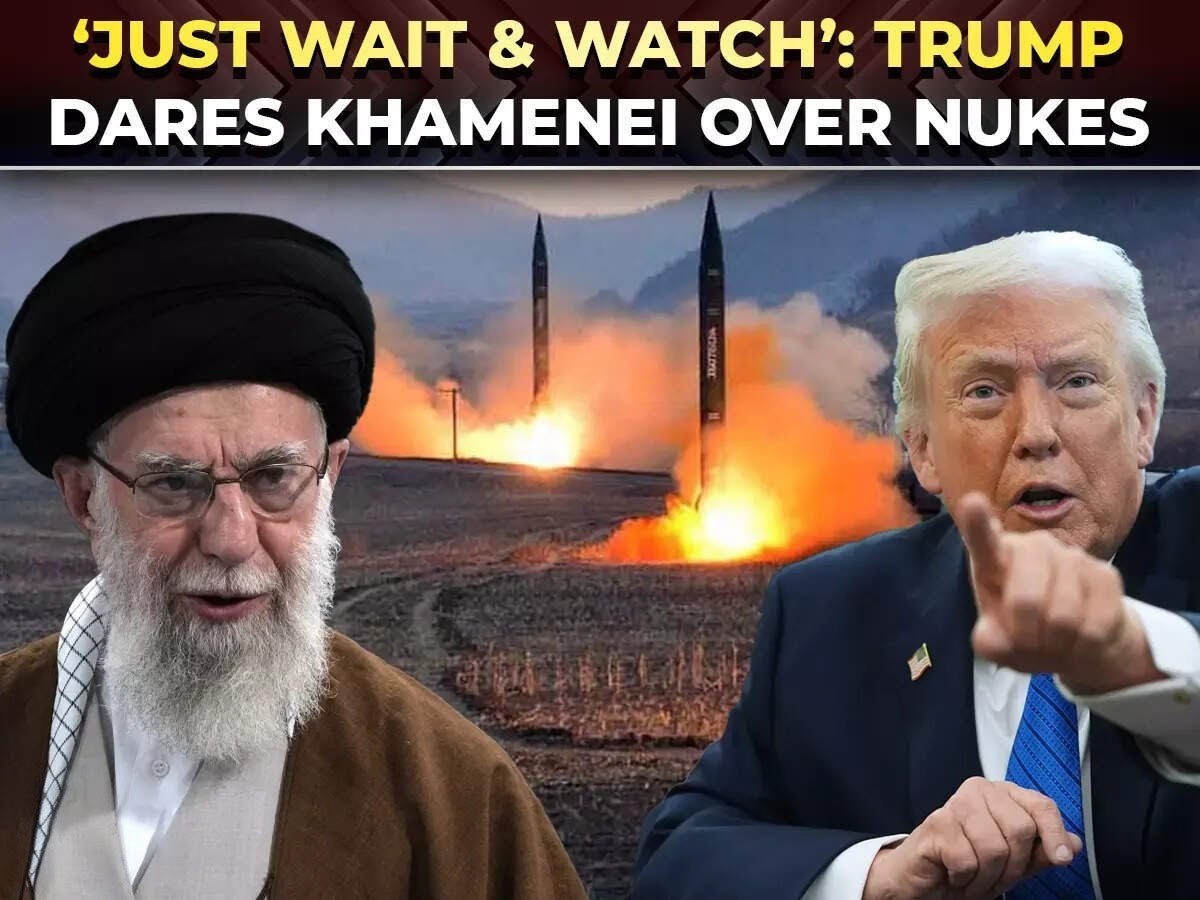
Although US President Donald Trump refrained from intervening militarily during the crackdown, he later demanded major nuclear concessions from Tehran. His administration has also reinforced its military posture in the region, raising Iranian concerns about the risk of escalation.
Preconditions Remain a Major Obstacle
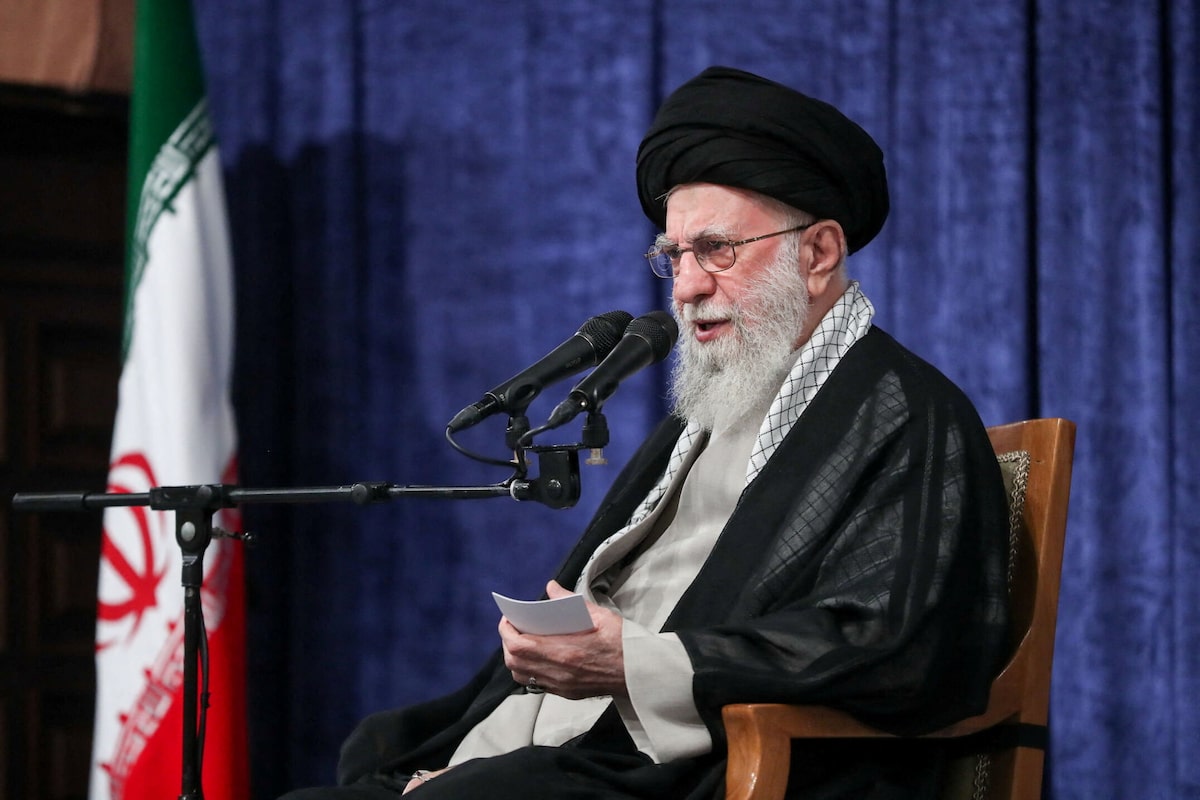
Iranian officials acknowledge that Washington has outlined strict conditions for restarting talks. These reportedly include a halt to uranium enrichment on Iranian soil, curbs on Tehran’s ballistic missile programme and an end to Iran’s support for regional proxy groups.
Tehran has consistently rejected these demands as violations of its sovereignty. However, Iranian sources suggest that while uranium enrichment remains a red line, the missile programme poses a more complex challenge for negotiators on both sides.
Possible Meeting in Turkey
Diplomatic sources indicate that US Special Envoy Steve Witkoff and Iranian Foreign Minister Abbas Araghchi could meet in Turkey in the coming days. Turkish officials have suggested that both sides have agreed to focus initially on diplomacy, offering a potential pause to fears of military strikes.
Iranian officials say Tehran is prepared to demonstrate flexibility on enrichment levels, including handing over a significant quantity of highly enriched uranium and exploring zero enrichment under an international consortium arrangement.
Sanctions Relief Central to Iran’s Position
For Tehran, lifting economic sanctions remains the central incentive for any renewed agreement. Iranian officials stress that time is critical, as prolonged sanctions continue to strain the country’s economy and limit access to global markets.
Iran has stated that its uranium enrichment activities have halted following US strikes on three nuclear facilities last year. The International Atomic Energy Agency has repeatedly sought clarity on the status of Iran’s stockpile of highly enriched uranium since those attacks.
Regional Influence and Strategic Shifts
Iran’s regional influence has weakened significantly in recent months due to Israeli military action against allied groups in Gaza, Lebanon, Yemen and Iraq. The fall of Syria’s long-time leader Bashar al-Assad has further reduced Tehran’s strategic depth in the Middle East.
Analysts believe these setbacks may be pushing Iran to reconsider diplomacy as a means to stabilise its position and avoid further confrontation with the United States and its allies.
Global Concerns Over Nuclear Proliferation
Western nations continue to express concern that Iran’s nuclear activities could enable the development of a nuclear weapon. Tehran maintains that its programme is strictly for civilian purposes, including electricity generation and medical research.
India, which maintains strategic ties with both Iran and the United States, has consistently supported dialogue and peaceful resolution of nuclear disputes. New Delhi’s position on non-proliferation and regional stability is outlined by the Ministry of External Affairs and reflected in statements at global forums such as the United Nations.
As diplomacy inches forward, the coming days will determine whether both sides can bridge longstanding gaps or whether the standoff will deepen further. For now, cautious engagement appears to be the preferred path, even as mistrust continues to shadow the process.