
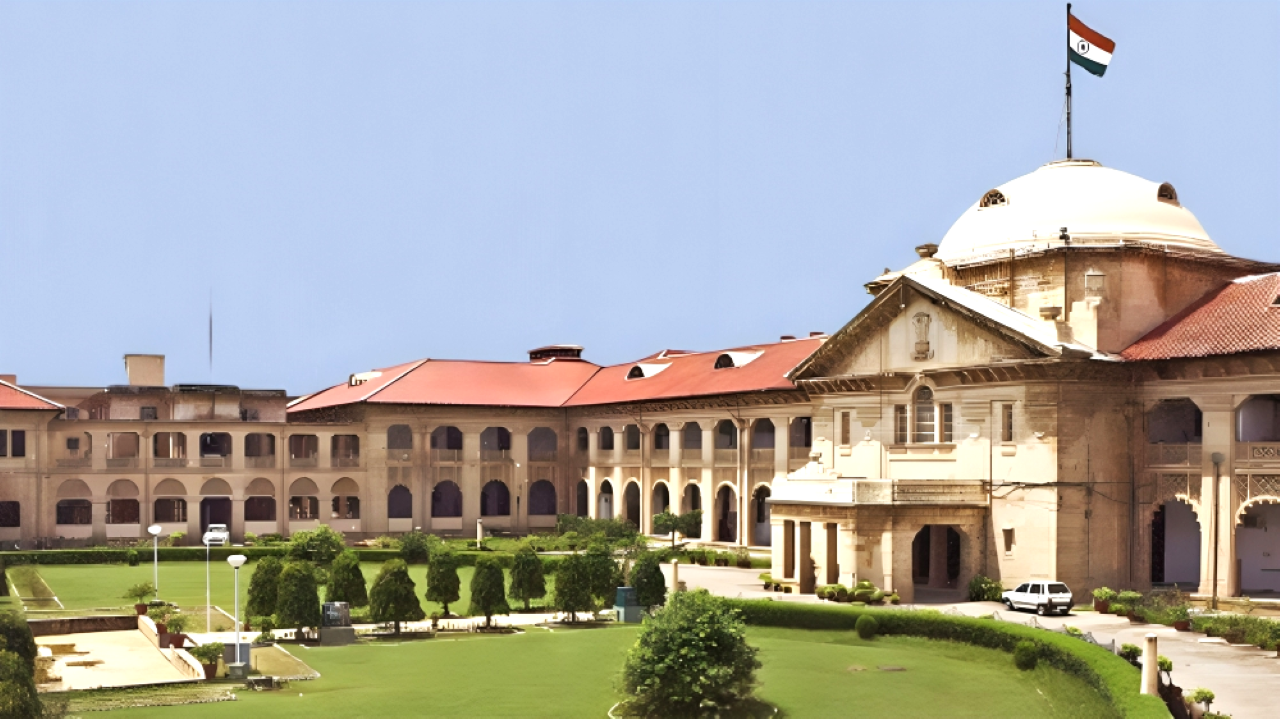
The Allahabad High Court recently delivered a landmark ruling on employment-related irregularities. The Court held that once employees join regular posts, any irregularity in their initial ad-hoc appointments stands cured.
Background of the Case
The authorities appointed the appellants as Assistant Teachers on an ad-hoc basis in 1987 and 1989. Later, challengers argued that the posts were unsanctioned and exceeded the approved strength. As a result, the administration terminated the teachers in 1989.
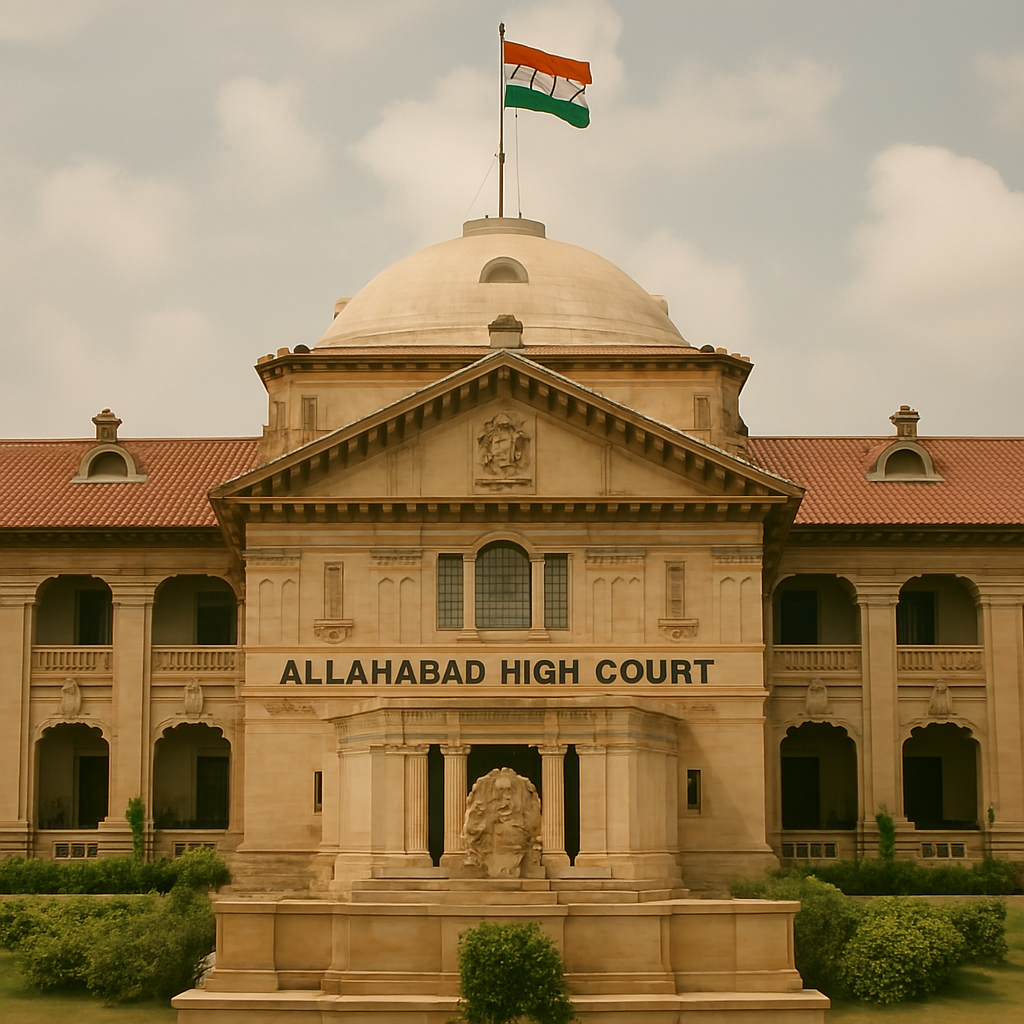

The teachers challenged the termination in the High Court, which issued an interim order to stay their dismissal. In 2006, the administration absorbed the teachers into substantive regular posts. Later, the Court dismissed the writ petition as not pressed in 2010, but the petitioners continued to serve uninterrupted.
Challenges After Absorption
In 2017, the District Inspector of Schools raised concerns about salary disbursal and issued notices to the college management. The petitioners challenged these notices in the High Court, which granted a temporary stay.
Later, the authorities asked the petitioners to withdraw their writ petition to consider them for formal regularisation. After withdrawal, officials restrained them from working, prompting further litigation.
Court’s Reasoning and Judgment
The Division Bench, comprising Justice Siddhartha Varma and Dr. Justice Yogendra Kumar Srivastava, referred to Supreme Court precedents, including:
- Mansaram vs. S.P. Pathak & Ors.
- Madras Aluminium Company Limited vs. Tamil Nadu Electricity Board & Anr.
- Radhey Shyam Yadav & Anr. vs. State of U.P. & Ors.
- Vinod Kumar & Ors. vs. Union of India & Ors.
The Court emphasized that authorities must take action against irregular appointments within a reasonable time. By failing to do so, they effectively cured the irregularity.
Justice Varma noted, “The appellants, having been absorbed on existing vacancies, have cured any initial irregularity in their appointments.”
The Court also pointed out that the employees worked continuously until retirement, establishing their status as regular employees.
Significance of the Verdict
This judgment protects public sector workers who the administration initially appointed irregularly but later regularised. It prevents penalising employees for administrative lapses made years ago and ensures equity and job security.
It also reinforces fairness—that long-standing service and formal absorption validate employment, even if initial appointments contained flaws.
Conclusion
The Allahabad High Court’s ruling sets an important precedent for public sector employment. It ensures that authorities cannot penalise employees for earlier irregularities if they fail to take timely corrective action. This judgment promotes employment stability, upholds employee rights, and strengthens legal protection for workers.