
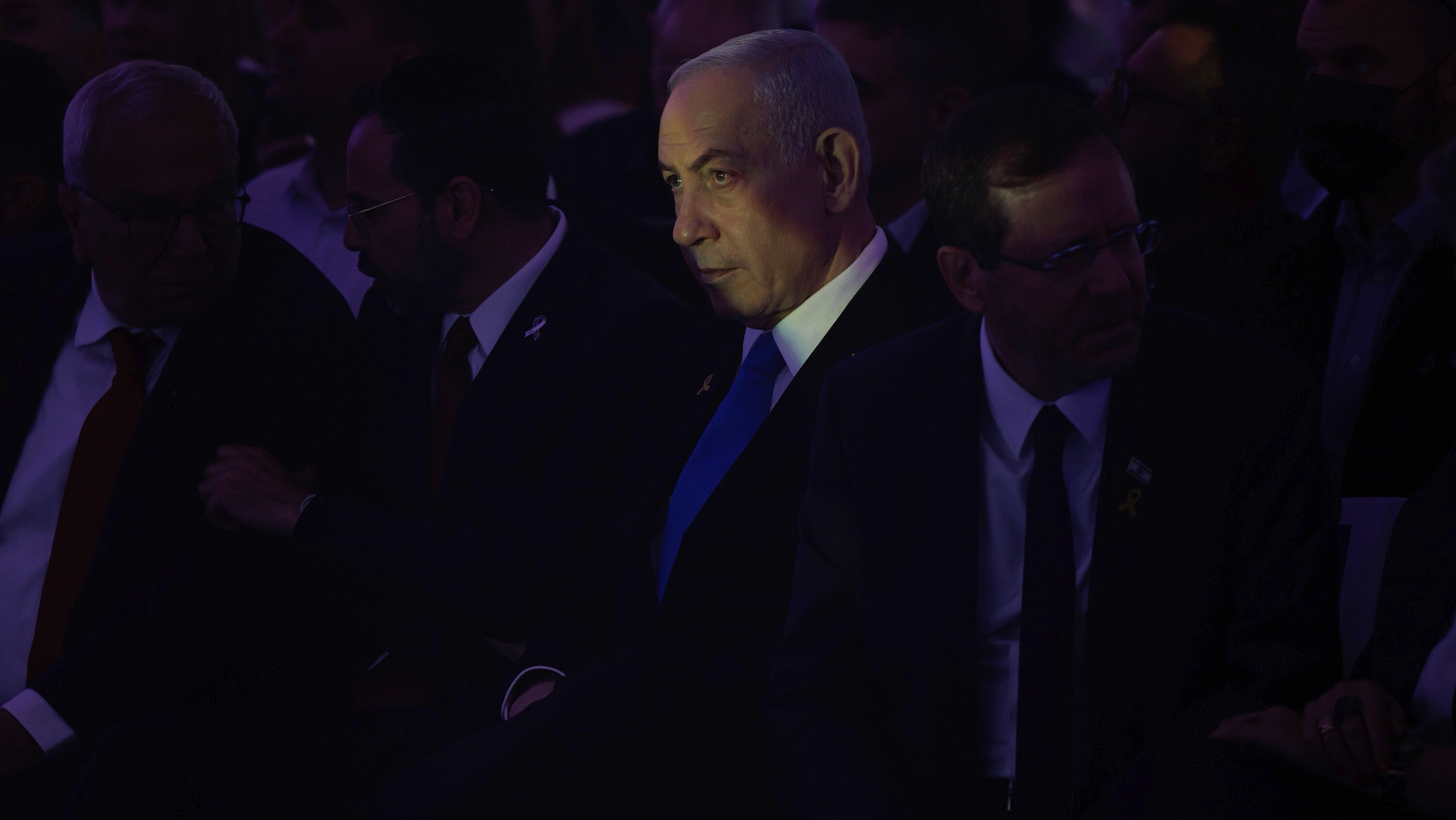
Washington/Jerusalem – July 13, 2025: As Israel’s war in Gaza becomes the longest in its history, tough questions are emerging. Prime Minister Benjamin Netanyahu is under fire for allegedly prolonging the conflict for political survival. Secret meetings, suppressed records, and increasing dissent have added fuel to this concern.

The Israel-Gaza war, ongoing since 2023, has caused immense destruction. Thousands of civilians have died, especially in Gaza. International criticism has grown louder, but peace still seems distant.
According to AP reports, this war has now surpassed past conflicts in terms of duration and human loss. Despite opportunities to secure a ceasefire, Netanyahu has hesitated.
Netanyahu’s US Visit Raises Eyebrows
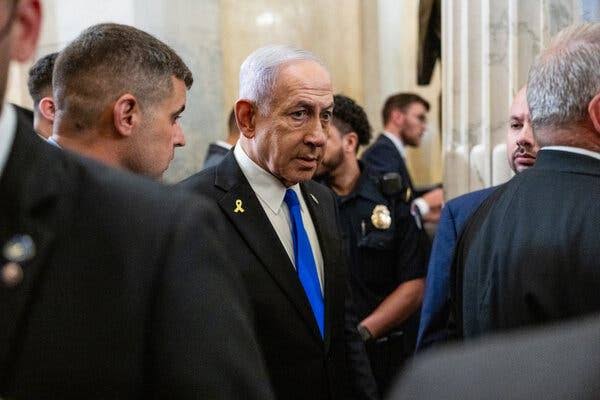
Netanyahu’s recent four-day trip to the United States was carefully curated. He gave three interviews to American outlets but none to Israeli media. This move further distanced him from his home country’s growing opposition.
In one interview, he said, I hope we can complete a ceasefire-hostage deal with Hamas in a few days,
but observers remain skeptical. His optimism hasn’t translated into concrete diplomatic actions on the ground.
The Saudi Deal That Could Change History
Ending the war now could open a path for a historic peace deal with Saudi Arabia. Normalising ties with the Arab world’s most influential country would mark a major legacy for Netanyahu.
However, analysts believe he’s holding back. According to Brookings Institution, Netanyahu fears that peace could mean political collapse.
Corruption Charges and Coalition Woes
Since 2020, Netanyahu has faced multiple corruption charges, including bribery and fraud. He denies all allegations. But stepping down as PM would remove his ability to influence key legal and administrative decisions, including pressure on Israel’s attorney general.
His coalition is also fragile. It relies heavily on support from far-right ministers. Ending the war or making concessions could break that support, possibly toppling his government.
Internal Dissent Mounts
Within Israel, cracks are showing. Intelligence officers, former IDF generals, and civil society leaders are warning that prolonging the war could harm Israel’s long-term security and global standing.
Israeli newspapers like Haaretz and Times of Israel have published op-eds questioning the real motives behind the continued military operations.
“The time for real leadership is now, not more political theater,” wrote former IDF chief Gadi Eisenkot in an op-ed this week.
International Pressure is Growing
The United Nations and European Union have repeatedly called for a ceasefire. Humanitarian organizations warn that Gaza’s infrastructure has collapsed, and civilians are suffering daily.
Yet, Netanyahu continues to emphasize national security over international opinion. His statements frame critics as enemies of Israel’s sovereignty.
What Lies Ahead?
The situation remains volatile. Peace is possible—but will come at the cost of Netanyahu’s political shield. The dilemma is clear: legacy versus power.
With public protests growing and internal pressure building, the Israeli leader may soon be forced to choose. Either end the war and secure a historic peace, or risk dragging his nation deeper into crisis for political survival.
Whatever he chooses, the world is watching closely.