
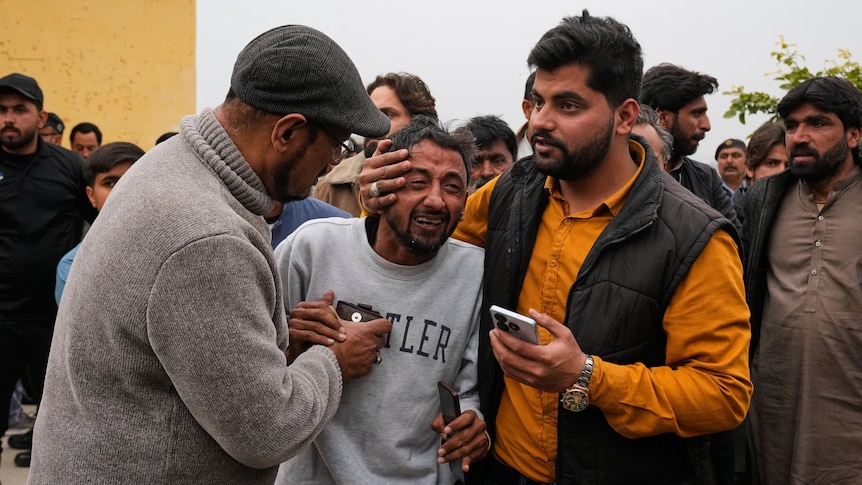
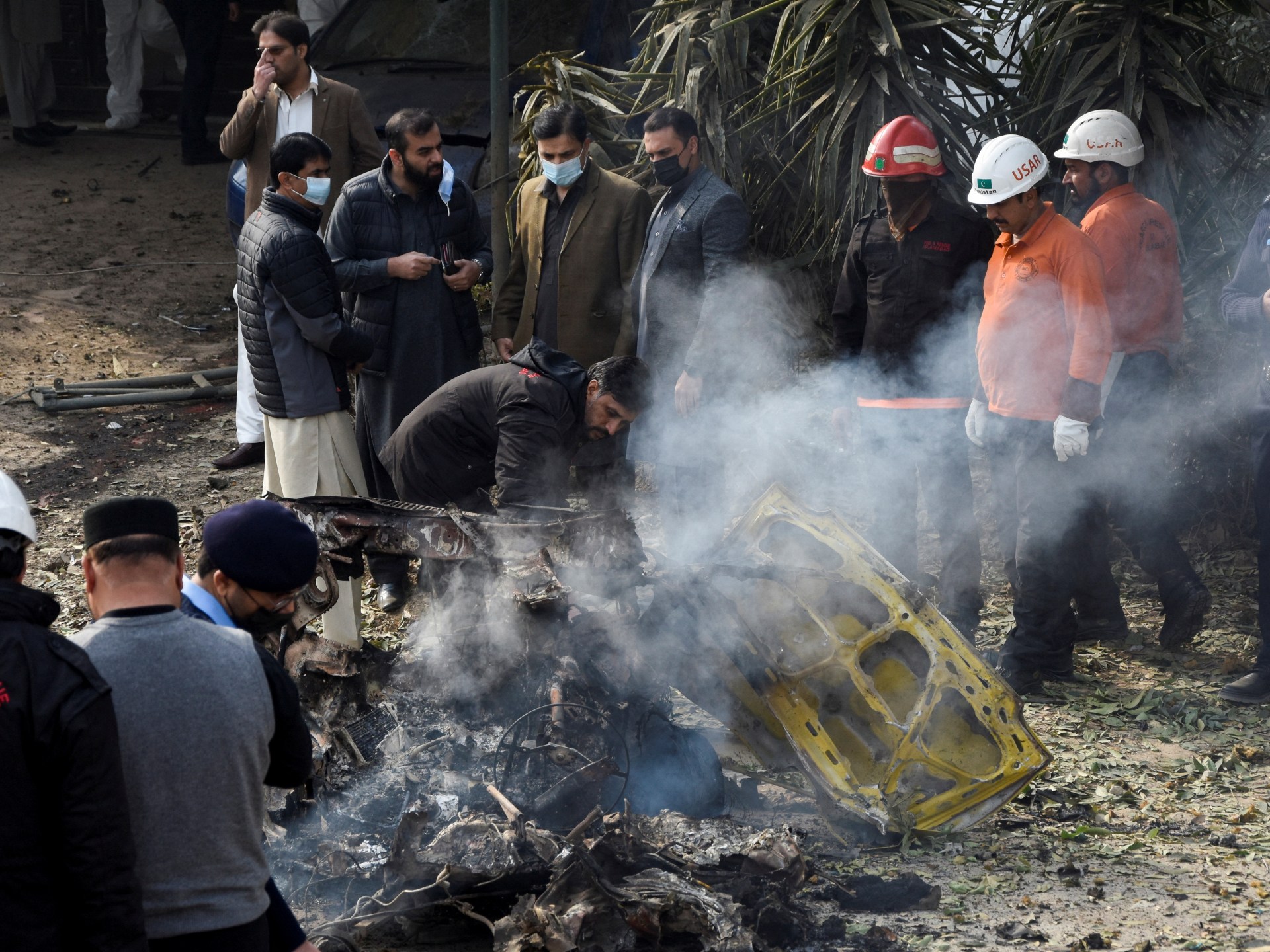

Emergency services were immediately mobilised following the blast. Rescue teams, police units, and ambulances reached the site within minutes, while hospitals in Islamabad were placed on high alert. An emergency was declared at the Pakistan Institute of Medical Sciences, where dozens of critically injured victims were admitted for urgent treatment.
Doctors confirmed that many of the wounded sustained severe shrapnel injuries, raising fears that the death toll could rise further. Authorities cordoned off the area and initiated forensic examinations to determine the nature and origin of the explosive device used in the attack.
Political Condemnation and Public Anger
The attack drew sharp condemnation from political leaders across Pakistan’s spectrum. Parliamentary Affairs Minister Tariq Fazal Chaudhry termed the incident a “cowardly act” and expressed condolences to the families of the victims. Senate opposition leader Allama Raja Nasir Abbas described the bombing as an unforgivable failure of security, stating that attacks on places of worship cannot be tolerated under any circumstances.
Social media platforms were flooded with criticism of the government’s inability to protect religious minorities and secure sensitive locations in the federal capital. Civil society groups and Shia organisations announced protest vigils demanding accountability and stronger counterterror measures.
Islamabad Under Repeated Threat
This is the second major suicide blast reported in Islamabad in recent months. In November last year, a similar attack in the capital killed 12 people, raising concerns about the resurgence of militant networks even in heavily guarded urban centres. Analysts warn that repeated attacks in the capital point to intelligence lapses and weak preventive mechanisms.
The latest bombing comes just days after deadly clashes between Pakistani security forces and the Balochistan Liberation Army, which resulted in significant casualties on both sides. The timing of the attack has intensified fears of coordinated militant operations across different regions.
Balochistan Insurgency and Wider Security Crisis
Pakistan has long struggled with a separatist insurgency in Balochistan, a mineral-rich province bordering Iran and Afghanistan. Armed groups operating in the region have frequently targeted security personnel, foreign nationals, and non-local civilians. Recent months have witnessed a sharp escalation in violence, with coordinated attacks highlighting the evolving capabilities of militant outfits.
Security experts argue that the Islamabad blast reflects a broader national security crisis rather than an isolated incident. They point to inadequate intelligence coordination, porous borders, and inconsistent counterterror policies as key vulnerabilities.
Regional Implications and India’s Concerns
From an Indian perspective, the incident underscores the persistent instability in Pakistan and its potential spillover effects in the region. India has repeatedly emphasised the need for decisive action against terrorism at international forums, including the United Nations.
Official Indian positions on counterterrorism can be accessed through the Ministry of External Affairs and the Press Information Bureau, which regularly outline India’s stance on regional security challenges and cross-border terrorism.
Press Information Bureau
Demand for Accountability
As investigations continue, pressure is mounting on Pakistan’s government to demonstrate concrete action beyond routine condemnations. Families of the victims are demanding justice, compensation, and assurances that such attacks will not be repeated.
The Islamabad suicide blast has once again laid bare the fragile state of Pakistan’s internal security, leaving citizens questioning whether lessons from past tragedies have truly been learned.