
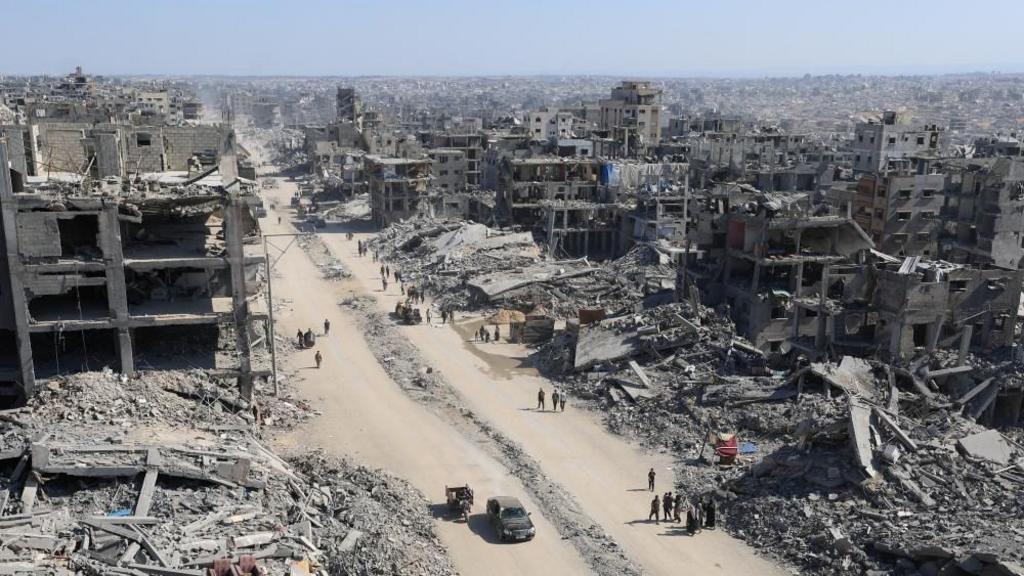
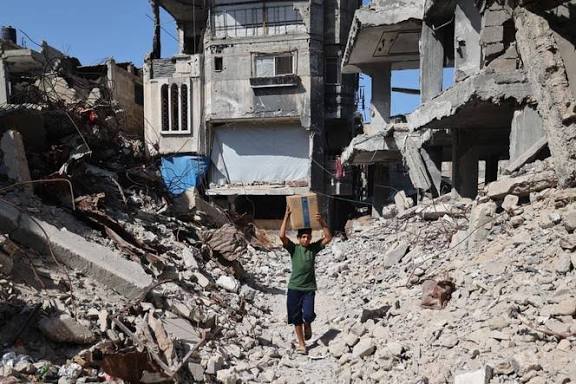

Israeli military channels and national broadcasters reported that forces came under fire from militants in Rafah while Israeli units were carrying out dismantling operations tied to the ceasefire agreement. The Israeli Defence Forces (IDF) said it struck what it described as militant positions and tunnel infrastructure used by fighters. Channel reports and Israeli officials called the incident a “blatant violation” of the truce.
Palestinian sources and witnesses in Gaza, including medics at local hospitals, reported explosions in Rafah and other southern towns and said there were casualties among civilians. Gaza’s civil defence said teams recovered bodies after shelling that hit a bus, though independent verification of all claims remains limited amid chaotic conditions on the ground.
Claims and counterclaims
Israel said its forces were fired on with sniper rounds and a rocket-propelled grenade; Israeli leaders framed the strikes as defensive and necessary to remove immediate threats to troops. Prime Minister Benjamin Netanyahu reiterated that the war would continue until Hamas was disarmed and its military capacity removed.
Hamas and Gaza authorities denied responsibility for the reported incident in some statements, accusing Israel of using the episode to justify renewed operations and of violating the ceasefire themselves. The militant group also reiterated demands for technical assistance to recover bodies trapped under rubble in areas devastated by earlier fighting.
Ceasefire under strain
The US-brokered ceasefire — which facilitated the release of living hostages and the handover of several bodies in recent days — already faced pressure from unresolved issues: the return of all deceased hostages, disarmament, and longer-term governance arrangements for Gaza. Since the truce began earlier this month, both sides have traded accusations of violations.
International news agencies including Reuters and Indian outlets reported the Rafah clashes and strikes, noting that the Rafah crossing to Egypt remained sensitive and that humanitarian access continues to be a major concern.
Humanitarian and regional implications
Humanitarian agencies have warned that any renewed fighting risks further cutting aid flows into Gaza, where needs remain acute after months of conflict. Observers also note that spikes of violence around Rafah — a border city and aid gateway — could complicate regional diplomacy involving Egypt, Qatar and other mediators.
Analysts say that while the current flare-up may be tactical and localized, sustained breaches would likely unravel fragile confidence-building steps and could lead to wider confrontations unless guarantors press both parties to resume talks and follow agreed protocols.
What to watch next
Key indicators to monitor in coming days include statements from the IDF and Hamas on whether a formal investigation or de-escalation steps will follow, the status of the Rafah border crossing, and humanitarian access updates from aid groups. International mediators’ actions — particularly from the United States, Egypt and Qatar — will be decisive in determining whether the ceasefire can hold.