
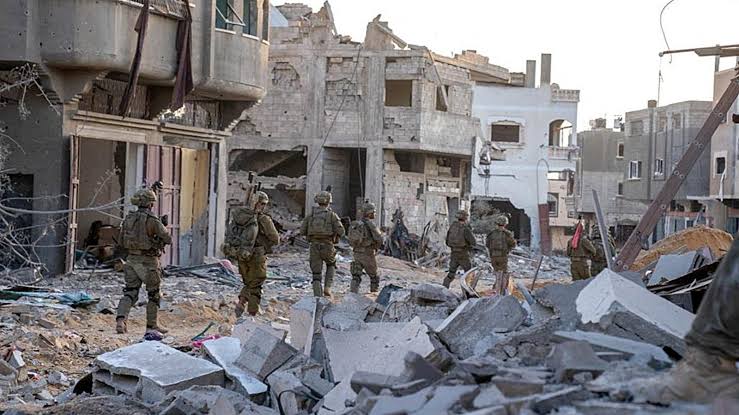
Israel has announced the suspension of all humanitarian aid and supplies into the Gaza Strip, citing Hamas’s refusal to extend a fragile ceasefire. The decision has sparked outrage, with Hamas condemning the move as a “war crime.” The situation remains tense as both sides struggle to find common ground in ongoing negotiations.
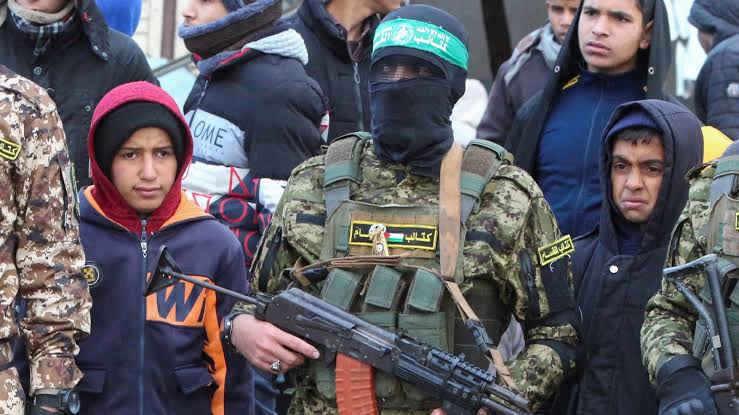

The Israeli government has warned of “additional consequences” if Hamas does not comply with the proposal, though it has not specified what actions it might take. Meanwhile, Qatar and Egypt, key mediators in the conflict, are pushing for an extension of the current truce. According to reports, Hamas had earlier rejected an Israeli offer to extend the ceasefire by 42 days, arguing that it violated the original agreement.
The first phase of the ceasefire had allowed much-needed humanitarian aid to enter Gaza, facilitated the release of 33 hostages—including eight bodies—and enabled the return of hundreds of thousands of displaced Palestinians. However, with negotiations on the next phase yet to begin, there is growing fear that violence could resume.
Israel claims that 32 of the remaining 59 hostages in Gaza are already dead. Talks for the second phase were originally planned for early February, but delays and disagreements have stalled progress. On Saturday night, Israeli citizens rallied to urge their government to continue negotiating for the release of hostages, underscoring the emotional toll the crisis has taken on families caught in the crossfire.
The situation remains precarious, with uncertainty looming over whether diplomacy will prevail or if another cycle of violence will unfold.