
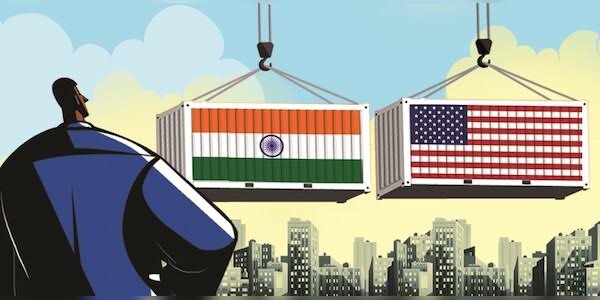
Tariff escalation ahead of deadline
Washington has already enforced a 25 per cent levy on Indian exports, citing India’s continued imports of discounted Russian crude. An additional 25 per cent tariff is scheduled to take effect from August 27, bringing total penalties on some goods to as high as 50 per cent — among the steepest imposed by the United States in recent years.
India, one of the world’s fastest-growing energy markets, has steadily increased its intake of Russian oil since 2022. Officials argue that such imports are essential for meeting domestic energy demands and curbing inflationary pressures. Jaishankar stressed that India’s decisions are rooted in pragmatism and sovereignty.

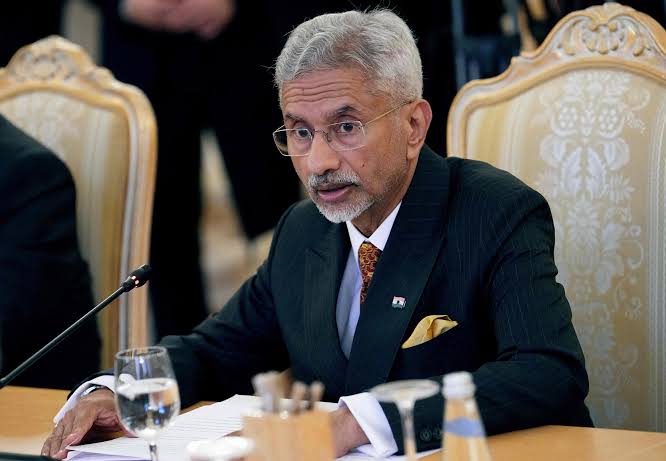
The minister pointed out inconsistencies in Western criticism. “Europe trades far more with Russia than India does,” Jaishankar remarked. “If the argument is energy, they are bigger buyers. If the argument is trade, they are also bigger than us. So, why single out India?”
He further questioned the moral framing of the debate. “When people accuse us of funding the war, they conveniently ignore that European money going into Russian trade is much higher than ours,” he said.
‘Don’t buy it if you don’t like it’
In one of his sharpest retorts yet, Jaishankar dismissed US concerns over refined products made from Russian crude. “It is ironic that those working for a pro-business American administration are accusing others of doing business. If you don’t like it, don’t buy it. Nobody is forcing you,” he said.
According to him, both Europe and the United States continue to source petroleum products linked to Russia, making their criticism of India “hypocritical at best.”
India’s strategic autonomy
Jaishankar underscored that India reserves the right to act in its own national interest, regardless of external pressure. “The issue of decisions we make in our national interest is our right. That’s what strategic autonomy is about,” he said.
This stance reflects New Delhi’s long-standing diplomatic principle of balancing ties with global powers while safeguarding its independence. Analysts say the tariffs highlight growing friction in India-US trade ties, even as cooperation expands in defence, technology, and security domains.
Talks continue, but tensions remain
Despite the heated exchanges, both sides remain engaged in discussions. “We are two big countries. The lines are not cut. People are talking to each other, and we will see where it goes,” Jaishankar said.
A planned visit by US trade negotiators to New Delhi from August 25–29 has been cancelled, dimming hopes of a near-term compromise. Indian officials have indicated that New Delhi will defend certain “red lines” in the negotiations, even at the cost of short-term trade disruptions.
Wider implications
Trade experts warn that escalating tariffs could impact India’s exports of textiles, engineering goods, and pharmaceuticals to the US, its largest trading partner. However, many believe the dispute is unlikely to derail broader strategic ties, given shared concerns over China and a growing convergence in defence and technology cooperation.
For India, the challenge lies in balancing energy security with external expectations. For Washington, the test will be whether tariffs prove an effective lever or further alienate a key partner in Asia.