
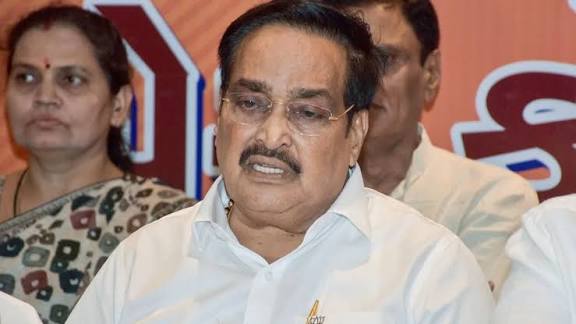
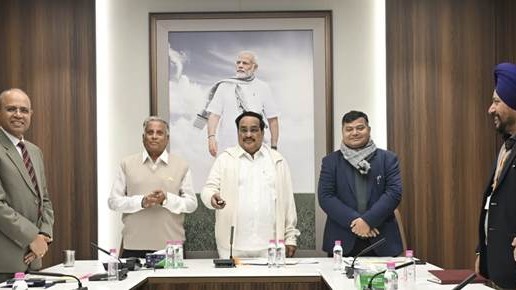

Addressing the gathering, Shri C. R. Patil emphasised that the Jal Jeevan Mission focuses on sustained service delivery rather than mere infrastructure creation. The Minister highlighted four pillars of the mission: Political Will, People’s Participation, Stakeholder Collaboration, and Optimal Resource Use, stressing that Jan Bhagidari is key to ensuring long-term sustainability of Har Ghar Jal achievements.
Jal Seva Aankalan allows Gram Panchayats to become custodians of their water systems, strengthening democratic decision-making via Gram Sabhas. Minister Patil remarked, “The responsibility to maintain rural water supply rests with the community itself; this can be achieved only through active participation of the people.”
Structured Community-Led Assessment
The assessment process involves VWSC members, Panchayat Secretaries, system operators, and community representatives, including women and vulnerable groups. Findings are deliberated in the Gram Sabha and uploaded on the JJM Panchayat Dashboard. Public disclosure through platforms like eGramSwaraj and Meri Panchayat App ensures transparency, with a 30-day citizen feedback window before finalisation.
Secretary DDWS Shri Ashok K. K. Meena clarified that Jal Seva Aankalan is a self-review, not an inspection, reinforcing community ownership. Additional Secretary & Mission Director Shri Kamal Kishore Soan stressed accurate data entry, Gram Sabha verification, and active coordination by Zila Panchayats for authenticity and accountability.
Interaction with Gram Panchayats
The programme included interactions with representatives from Ghonashi (Maharashtra), Gogathala (Rajasthan), and Bilhapur (Uttar Pradesh) Gram Panchayats, who shared experiences in managing water supply, ensuring regularity, maintaining quality, conducting regular testing, collecting user charges, and sustaining Har Ghar Jal achievements.
Expected Outcomes
- Embed drinking water service assessment in Gram Sabha deliberations
- Enable early identification of operational, quality, and sustainability challenges
- Enhance transparency through public disclosure of service performance
- Support evidence-based district and state-level planning
- Reinforce community stewardship of rural water supply systems
All Har Ghar Jal Gram Panchayats are expected to complete the assessment by 26th January 2026, reinforcing community-led management of rural water services.