 Nationwide Footprint Nears 18,000 Kendras
According to information provided by the Ministry of Chemicals and Fertilizers in the
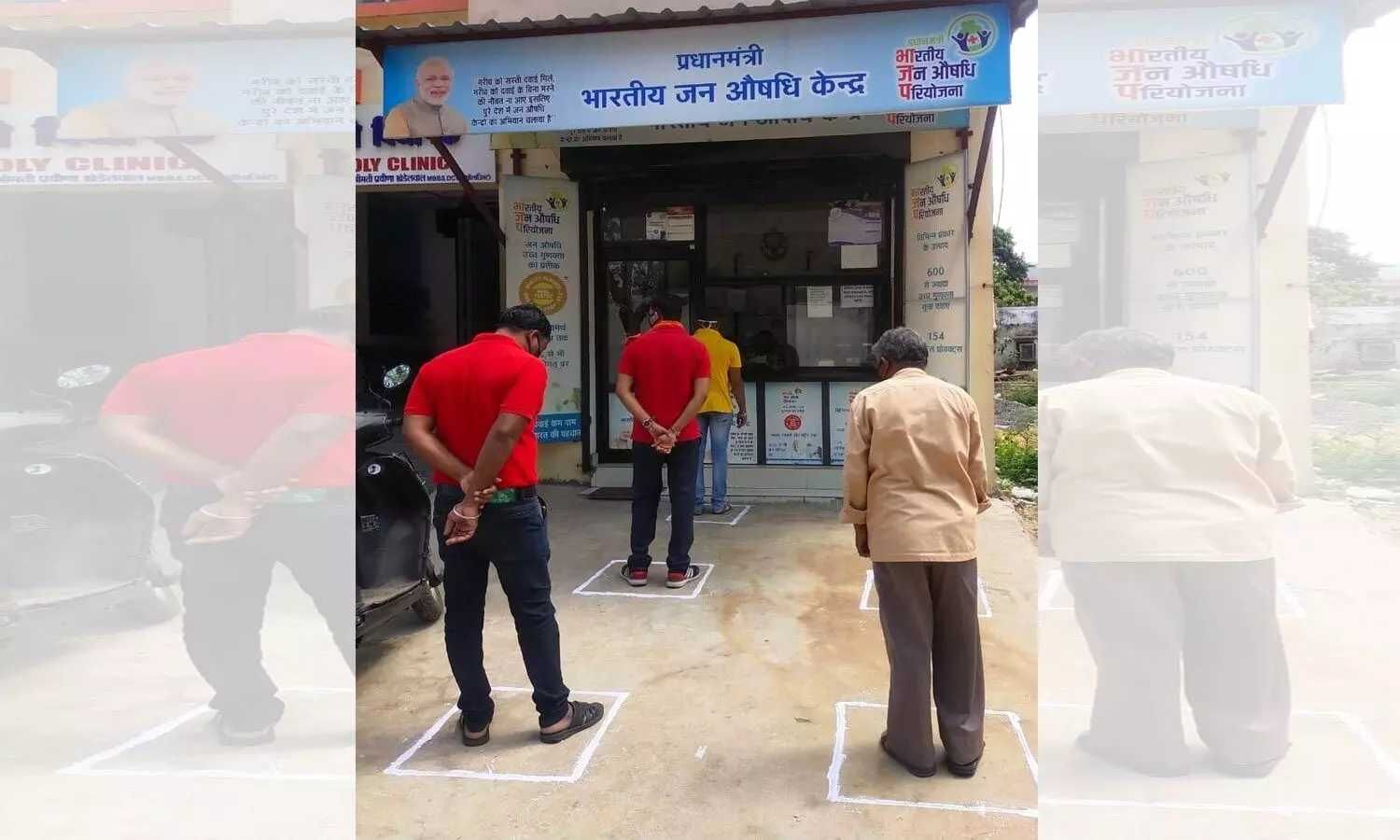
Lok Sabha, a total of 17,990 Jan Aushadhi Kendras were functional across India as of the
end of 2025. During the same period, 3,135 Kendras were closed nationwide due to various
operational and personal reasons faced by franchise owners. Larger states such as Uttar Pradesh, Kerala, Karnataka and Tamil Nadu account for asignificant share of operational Kendras, while smaller Union Territories and hilly regions have relatively fewer outlets. Despite this uneven distribution, the scheme
has steadily improved access to low-cost medicines across urban, rural and remote
locations.
Target of 25,000 Kendras by 2027
With a view to further expanding coverage, the government has set an ambitious target
of opening 25,000 Jan Aushadhi Kendras by March 2027. Applications are being invited
online from all districts of the country, including Ladakh, through the official portal
janaushadhi.gov.in.
The scheme follows a franchise-like model, allowing individual entrepreneurs, NGOs,
trusts, societies, firms and private companies to open and operate Kendras. This model
encourages local participation while enabling rapid expansion without heavy
infrastructure costs for the government.
Special Incentives for Remote and Border Areas
To promote entrepreneurship in difficult regions, the government provides a one-time
special incentive of ₹2 lakh for Jan Aushadhi Kendras opened in Himalayan states, the North-Eastern region, island territories and aspirational districts identified by NITI Aayog. Ladakh falls under this incentive framework, making the scheme financially more viable for local entrepreneurs.
Additional incentives are also extended to Kendras opened by ex-servicemen, divyang
entrepreneurs and members of Scheduled Castes and Scheduled Tribes, reinforcing the
inclusive character of the PMBJP initiative.
Reasons Behind Closure of Some Kendras
The government clarified that closures under PMBJP are largely influenced by market
dynamics and personal circumstances. As availability is demand-driven, entrepreneurs
may choose to discontinue operations in case of low sales or insufficient revenue.
Other reasons include the death of the Kendra owner, loss of rented premises, or the
pharmacist opting for alternative employment opportunities. To address these challenges, State Level Marketing Officers of the Pharmaceuticals and Medical Devices actively engage with underperforming Kendras to revive operations.
Quality Control and Supply Network
As of now, around 200 pharmaceutical manufacturers are associated with PMBJP for the supply of medicines, surgical equipment, nutraceuticals and ayurvedic products. Strict
quality standards are enforced, and during the last two years, two companies were blacklisted for non-compliance, underscoring the scheme’s focus on safety and efficacy.
The government maintains that strong quality oversight is essential to sustaining public trust in generic medicines, especially in remote regions where healthcare access
is limited.
Affordable Healthcare Remains Central Goal
By offering medicines at prices significantly lower than branded alternatives, Jan Aushadhi Kendras have become a crucial pillar of India’s public healthcare strategy. In regions like Ladakh, where logistics and healthcare access remain challenging, the scheme plays a vital role in reducing out-of-pocket medical expenses.
The information was shared by Union Minister for Chemicals and Fertilizers Jagat Prakash
Nadda in a written reply in the Lok Sabha, reaffirming the government’s commitment to
expanding affordable healthcare access across every corner of the country.