 Health Camps Across States
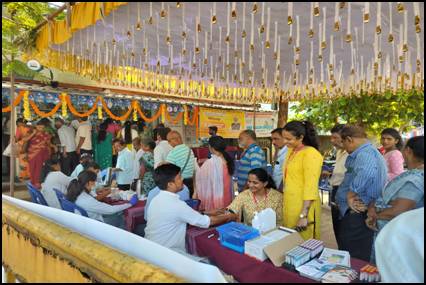
On Day 2, camps were held in multiple cities including Udupi in Karnataka, Jamshedpur in Jharkhand, Dehradun in Uttarakhand, Jaipur in Rajasthan, Krishna and Srikakulam in Andhra Pradesh, and Jhajjar in Haryana. The camps saw enthusiastic participation from local communities.
Senior citizens and women formed a significant portion of attendees, while school students actively joined awareness activities. Many beneficiaries received free generic medicines, expressing satisfaction with the services and guidance offered at the camps.
Theme Focused on Savings and Trust
This year’s theme “जन औषधि सस्ती भी, भरोसेमंद भी – सेहत की बात, बचत के साथ” highlights both affordability and reliability. The health camps brought basic diagnostic services closer to people’s homes through the network of Pradhan Mantri Bharatiya Jan Aushadhi Kendras (PMBJKs).
Besides general health check-ups, several camps offered thyroid testing, pediatric consultations, and medical advice for long-term illnesses. Such services ensured that citizens received comprehensive preliminary healthcare without financial strain.
Promoting Affordable Healthcare Solutions
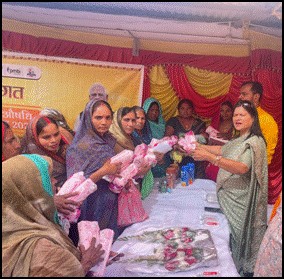
In addition to medical consultations, Janaushadhi sanitary pads were distributed among women to spread awareness about affordable menstrual hygiene products. Awareness sessions were conducted to educate the public about the availability of quality generic medicines at significantly lower prices through PMBJKs.
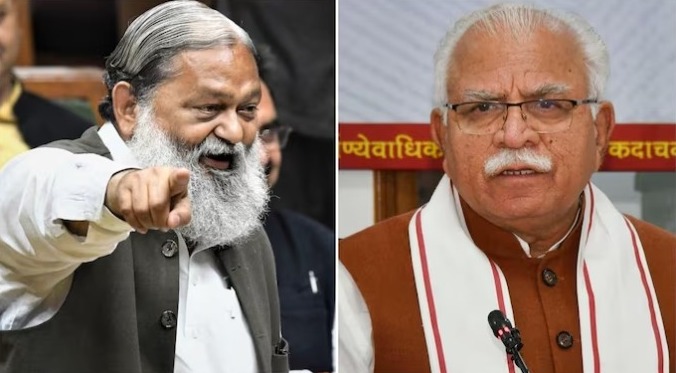
Public representatives, including state ministers and Members of Legislative Assemblies, visited several camps and appreciated the Pradhan Mantri Bhartiya Janaushadhi Pariyojana (PMBJP) for strengthening affordable healthcare delivery. They encouraged citizens to download the ‘Jan Aushadhi Sugam’ mobile application to locate nearby Kendras easily.
Expanding the Network Nationwide
Currently, more than 18,000 Jan Aushadhi Kendras are operational across the country. PMBI has set an ambitious target to increase this number to 25,000 by March 2027, ensuring that no individual is deprived of essential medicines due to financial constraints.
The steady expansion of the network reflects the government’s commitment to bridging healthcare gaps, particularly in semi-urban and rural areas. By combining affordability with quality assurance, the initiative seeks to strengthen trust in generic medicines.
Momentum Ahead of Janaushadhi Diwas
As Janaushadhi Saptah progresses, the growing participation signals widespread public acceptance of the scheme. The second day’s outreach has further reinforced the importance of community engagement in achieving healthcare equity.
With Janaushadhi Diwas approaching on March 7, officials expect even greater involvement in the coming days. The initiative continues to underline a key message quality healthcare and essential medicines must remain accessible to all.