Background: Fire, Cash, and Controversy
On March 14, 2025, a fire broke out at Justice Varma’s official residence. Firefighters responding to the emergency reportedly discovered bundles of currency notes at the scene. A video later surfaced showing the cash burning, leading to public outrage and media speculation.
Justice Varma denied any wrongdoing and claimed that the incident was part of a larger conspiracy to malign him. Subsequently, then Chief Justice of India Sanjiv Khanna set up an in-house committee on March 22 to probe the matter.
 The In-House Committee and Its Findings
The committee included top judges from three High Courts—Punjab and Haryana, Himachal Pradesh, and Karnataka. It began its inquiry on March 25 and submitted its report by May 3. Justice Khanna then forwarded the report to the President of India, recommending Justice Varma’s removal.
The report’s details remain confidential. However, the petition filed by Justice Varma alleges that the process was flawed, lacked transparency, and denied him natural justice.
Varma’s Petition: Legal and Constitutional Grounds
Senior Advocate Kapil Sibal appeared for Justice Varma and raised serious constitutional issues during the hearing. Citing Articles 124(4) and 124(5) of the Constitution, Sibal argued that any inquiry into a judge’s conduct must follow established parliamentary procedures.
“How can the judge’s conduct be discussed in public or via press releases when even Parliament cannot do so without proven misbehaviour?” Sibal asked during arguments.
He further stated that the in-house procedure lacks legal sanctity if it bypasses proper constitutional safeguards and becomes a tool for media trials.
Supreme Court’s Tough Questions
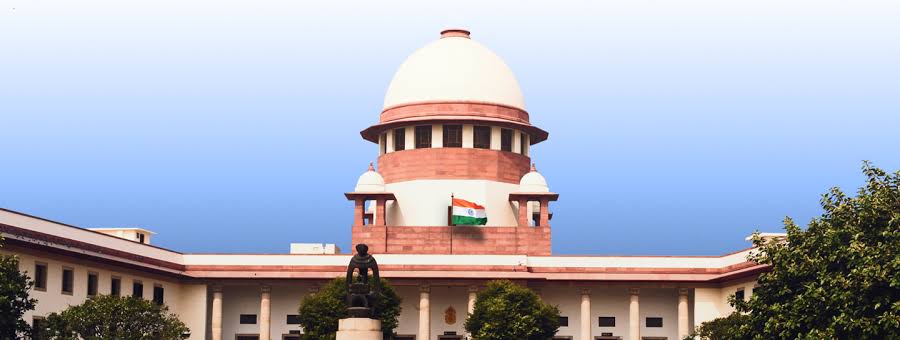
Justice Dipankar Datta, who is hearing the case along with Justice AG Masih, questioned the timing and approach of the petition. He asked why Justice Varma appeared before the inquiry committee if he believed it was unconstitutional.
“You took a chance on a favourable report. Now that it’s adverse, you come to us. That raises questions,” said Justice Datta.
The bench also noted procedural lapses in the petition, asking the petitioner to clarify the party names and file a more structured submission, including the missing report.
The Central Question: Is the In-House Procedure Valid?
The justices debated whether the in-house procedure could be the basis of impeachment. Justice Datta asked, “Where is it written that this report leads to impeachment? It’s only a recommendation for further action.”
Justice Varma’s counsel contended that publicizing the report and linking it to removal violated constitutional norms and principles of natural justice. Sibal stressed that if such procedures are allowed without parliamentary approval, it sets a dangerous precedent.
What Happens Next?
The Supreme Court will next hear the matter on Wednesday. Justice Datta asked the petitioner to submit bullet-pointed arguments and correct procedural issues in the filing.
Meanwhile, the case continues to attract media attention, with constitutional experts and civil society weighing in on judicial accountability versus judicial independence.
Conclusion
The Justice Yashwant Varma case highlights deep tensions within India’s judiciary regarding internal oversight, public transparency, and constitutional safeguards. The top court’s upcoming decision could set new boundaries for how alleged judicial misconduct is handled in the future.
Stay tuned as the Supreme Court continues to hear the case that may redefine the line between judicial independence and accountability.