CJI Gavai Steps Aside from High-Stakes Hearing
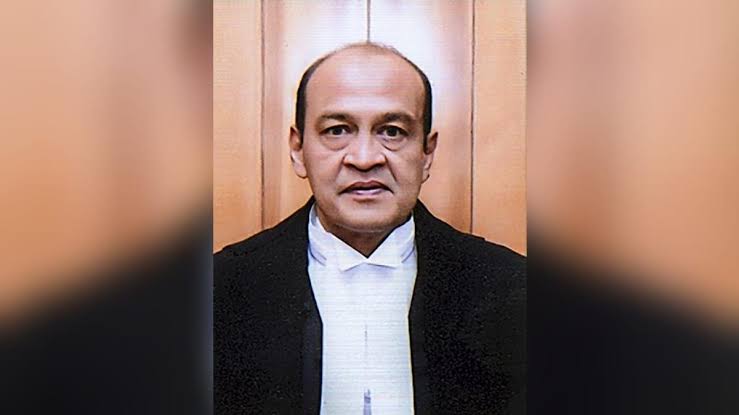
In a dramatic development, Chief Justice of India (CJI) BR Gavai on Wednesday recused himself from hearing a petition filed by Justice Yashwant Varma of the Allahabad High Court.
The petition challenges the findings of an in-house inquiry committee that indicted Justice Varma after a large sum of unaccounted cash was discovered at his official residence in Delhi earlier this year.
The case was mentioned before the CJI by Senior Advocate Kapil Sibal, who pressed for urgent listing.
 “I Was Part of the Committee”: CJI Gavai
CJI Gavai explained his decision candidly. “It will not be possible for me to take up this matter because I was also part of the committee. We will list it,” he told the court.
His statement appears to reference his earlier involvement in administrative decisions during former CJI Sanjiv Khanna’s tenure, when the in-house probe was initiated.
Fire, Cash, and Allegations
The controversy erupted after a fire broke out at Justice Varma’s residence in Delhi on March 14, 2025. The incident led to the discovery of burnt currency bundles by firefighters.
At the time, Justice Varma and his wife were in Madhya Pradesh. Only his daughter and elderly mother were at home. A video surfaced showing charred wads of cash, triggering a nationwide uproar and calls for his resignation.
Justice Varma Alleges Conspiracy
Justice Varma has denied all allegations, calling the incident a “conspiracy to frame” him. In his petition before the Supreme Court, filed through advocate Vaibhav Niti, he argues the in-house procedure was unconstitutional and violated principles of natural justice.
Parallel System or Necessary Oversight?
Justice Varma’s core argument revolves around the Judges (Inquiry) Act, 1968. He says the in-house mechanism forms a parallel and extra-constitutional process, which bypasses the legal route for removing High Court judges.
He maintains that Parliament alone holds the power of judicial removal and that the committee had no formal complaint before initiating its inquiry.
Key Issues Raised in Plea
- Lack of due process and legal safeguards
- No clear identification of cash owner or amount recovered
- Press release by Supreme Court caused a media trial
- Forced resignation request by CJI Khanna under tight deadline
The In-House Committee’s Role
The committee—formed by then CJI Sanjiv Khanna—was comprised of:
- Justice Sheel Nagu (Chief Justice, Punjab & Haryana HC)
- Justice GS Sandhawalia (Chief Justice, Himachal HC)
- Justice Anu Sivaraman (Judge, Karnataka HC)
They began their probe on March 25 and submitted the final report by May 3, 2025. A day later, CJI Khanna recommended Justice Varma’s impeachment to the President of India.
Judicial Work Halted
Justice Varma was transferred back to the Allahabad High Court and took his oath recently. However, the CJI has withheld his judicial responsibilities pending further developments.
What Happens Next?
The Union government is reportedly planning to introduce an impeachment motion in Parliament. If that goes forward, it will be a rare and serious step—only a handful of judges have ever faced such proceedings.
Meanwhile, the Supreme Court must now assign a fresh Bench to hear Justice Varma’s plea—one without any potential conflict of interest.
Legal Community Weighs In
Senior Advocate Kapil Sibal emphasized the importance of the issue. “This raises serious constitutional issues,” he told the court. Legal experts say the matter could have long-term implications for judicial accountability in India.
Conclusion: Judiciary Under Scrutiny
This case has opened a Pandora’s box. It raises difficult questions about transparency, fairness, and judicial discipline. As the country watches closely, the outcome could redefine how allegations against judges are handled in India.