
 What the court said
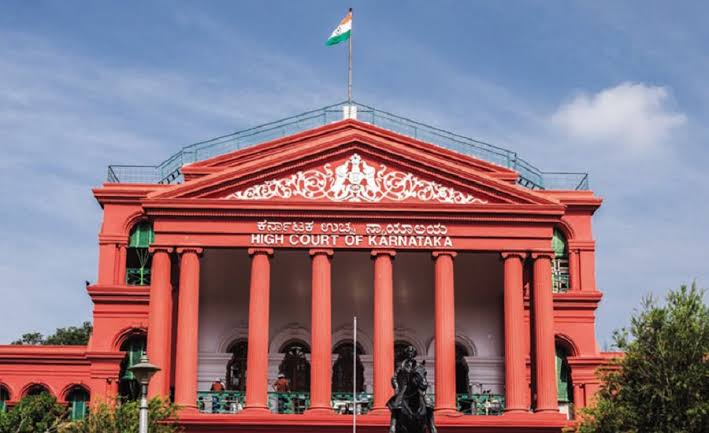
The single-judge bench of Justice Jyoti Mulimani accepted a notice for the State and granted an interim stay on the notification while allowing the government liberty to file objections. The court listed the matter for further hearing after winter vacation and permitted parties to seek modification of the interim order.
Who filed the challenge
The interim direction came on petitions filed by the Bangalore Hotels Association and management of Avirata AFL Connectivity Systems Ltd. The petitioners argued that the executive notification had no legislative backing and that the statutes under which employers are registered already provide comprehensive leave regimes.
Petitioners’ main objections
The hotels association said it represents roughly 1,540 establishments and that the statutory schemes including the Factories Act, the Karnataka Shops & Commercial Establishments Act and other labour enactments already regulate working hours, weekly holidays and leave entitlements. Petitioners told the court the government had issued the notification without prior consultation and had not sought stakeholder objections, breaching principles of natural justice. They also submitted that imposing menstrual leave by executive fiat could create financial and administrative burdens on employers.
State policy and the notification
The Karnataka government had notified a policy in November 2025 that provided one day of paid menstrual leave per month (12 days a year) for women aged 18–52 working in establishments registered under specified labour laws. The Labour Department’s notifications page lists the Government Order that sets out the entitlement and administrative directions to employers.
Legal issues at stake
The central legal questions for the High Court will include whether a state executive order can validly create a new category of leave in respect of establishments governed by existing labour statutes, and whether issuing the notification without prescribed legislative procedure or stakeholder consultation renders it ultra vires or violative of Article 14 of the Constitution. Counsel for petitioners relied on the argument that the state lacked power to introduce a fresh leave category by executive notification.
Stakeholder reactions and next steps
Representatives of employer groups have raised concerns about cost, staffing and operational impacts, while supporters of the policy have framed it as a gender-sensitive welfare reform aimed at improving women’s workplace health and dignity. The court will hear detailed submissions from the State and other parties in the next hearing, as listed by the bench for after the winter break.
Why this matters
The outcome will affect millions of women across Karnataka’s formal workforce and could shape how state governments announce workplace welfare measures in future: whether through legislative amendments, consultative rule-making, or executive notifications. Employers, labour advocates and legal scholars will watch the court’s interpretation of the scope of executive power and procedural fairness in labour policymaking.