
Karwa Chauth 2025 Puja Muhurat and Sargi Time
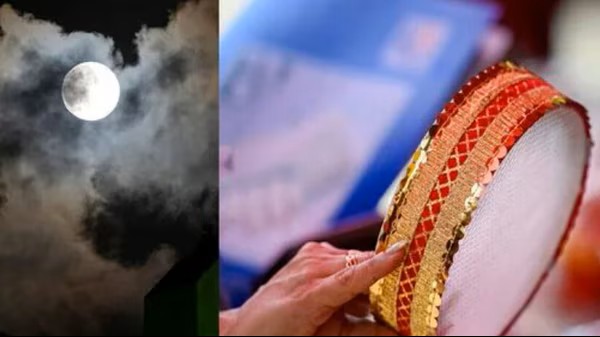
According to Drik Panchang, the Karwa Chauth Puja Muhurat will begin at 5:57 PM and end at 7:11 PM. The fasting time (Upavasa) lasts from 6:19 AM to 8:13 PM. Devotees will witness the moonrise around 8:13 PM in most parts of North India.
The Chaturthi Tithi starts at 10:54 PM on October 9 and ends at 7:38 PM on October 10. Traditionally, women begin their day with sargi — a pre-dawn meal lovingly prepared by their mothers-in-law, symbolizing blessings and togetherness.


Here are the expected moonrise timings for key cities across India:
| City | Moonrise Time |
|---|---|
| New Delhi | 8:13 PM |
| Noida | 8:13 PM |
| Gurugram | 8:14 PM |
| Chandigarh | 8:09 PM |
| Jaipur | 8:22 PM |
| Mumbai | 8:55 PM |
| Pune | 8:52 PM |
| Ahmedabad | 8:47 PM |
| Bengaluru | 8:48 PM |
| Chennai | 8:38 PM |
| Hyderabad | 8:36 PM |
| Kolkata | 7:42 PM |
Rituals and Significance of Karwa Chauth
Karwa Chauth, also known as Karak Chaturthi, symbolizes love, devotion, and marital harmony. The festival is especially popular in states such as Punjab, Haryana, Uttar Pradesh, Rajasthan, and Delhi. Married women fast from sunrise to moonrise without consuming food or water.
In the evening, women gather dressed in festive attire to perform the Karwa Chauth Puja. They listen to the stories of Veeravati, Karwa, and Savitri, which highlight faith, sacrifice, and unwavering devotion. The fast concludes once the moon is sighted. Husbands then help their wives break the fast by offering water and sweets — a symbolic act of love and respect.
Traditions and Modern Celebrations
While traditional rituals remain unchanged, modern celebrations have taken on new hues. Urban families often celebrate together with decorated thalis, mehendi, and festive gatherings. Social media has also become a vibrant part of the festival, where couples share photos and messages celebrating their bond.
Temples and community centers across the country organize special events for women observing the fast. The spiritual essence, however, remains timeless — a prayer for enduring love and togetherness.