

As pilgrims prepare to embark on their spiritual journey to Kedarnath this yatra season, a crucial infrastructure project meant to protect the sacred Himalayan town’s environment remains unfinished. The construction of a sewage treatment plant (STP), aimed at processing the rising waste from residents and lakhs of devotees, has once again been delayed—this time due to extreme winter weather.
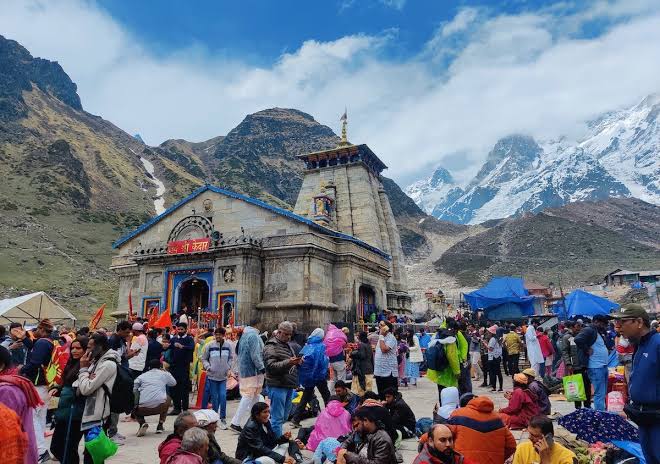

The STP, part of the broader Shri Kedarnath Dham Master Plan launched after the devastating 2013 floods, was envisioned to modernize the town while safeguarding the fragile ecosystem. The project is now scheduled to be completed by May 30, nearly a month after the yatra begins. This delay has raised fresh concerns about the environmental sustainability of the pilgrimage, which sees a massive influx of visitors each year.
Officials cited heavy snowfall and subzero temperatures as the primary causes of the delay, noting that while 85% of the work is complete, the remaining construction will need favorable weather conditions to proceed. An affidavit recently submitted to the National Green Tribunal (NGT) confirmed this revised timeline, with the next hearing set for May 2—the same day the Kedarnath shrine reopens.
The NGT had earlier reprimanded the Rudraprayag district administration and the Uttarakhand Pollution Control Board for failing to prevent environmental degradation. It had also asked for detailed updates on household sewage connectivity and whether the 600 KLD capacity of the STP was sufficient to cater to both the permanent residents and the seasonal pilgrimage population.
The affidavit provided insight into the challenges faced on the ground. The sewage network is being laid across three zones—Mandakini edge, Saraswati edge, and the Central Street area. While progress has been substantial along the Mandakini edge, work on the Saraswati stretch has been hampered by geographic obstacles. In the Central Street area, redevelopment is still underway, and only after demolishing old buildings and erecting new structures can the sewage pipeline be properly laid.
With Kedarnath’s floating population swelling to nearly 20,000 pilgrims during peak season, efficient sewage management is more vital than ever. Over 17 lakh devotees visited in 2024 alone. An RTI revealed that more than 26 tonnes of waste were generated during the yatra, including 17.5 tonnes of unprocessed organic waste that ended up in nearby landfills. Worryingly, no fines were issued, nor were any formal complaints recorded for the improper disposal of waste into the Mandakini river.
Officials maintain that the STP and the full sewage network will be operational by December 14, 2025. However, for this year’s yatra, Kedarnath will once again have to rely on temporary waste management solutions. In a region that has already endured the wrath of nature, many hope that these delays do not come at the cost of long-term ecological damage.