


Kerala first entered single-digit IMR in 2018, when the rate dropped to 7. It was maintained at 6 in 2019, before reaching today’s historic figure of 5. For years before that, the state’s IMR had stagnated at 12, despite having one of the most advanced healthcare systems in the country.
In 2013, a landmark statewide study by the Indian Academy of Paediatrics (IAP) revealed that 75% of infant deaths occurred during the neonatal period, with 59% within the first week of life. Prematurity accounted for 35% of deaths, while congenital heart disease was responsible for 28%.
Systematic Interventions
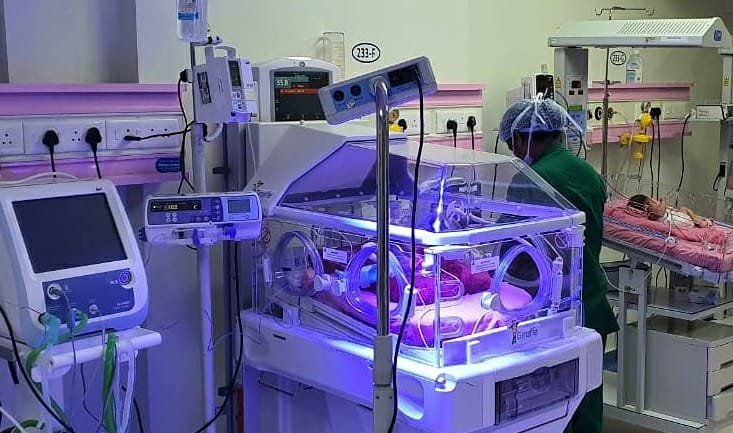
The state government, in partnership with the IAP, adopted a systematic approach to address these challenges. Initiatives included infant death audits, clinical guidelines for antenatal and neonatal care, and investments in neonatal ICUs and delivery points. Regular training for obstetricians and neonatal nurses further strengthened the system.
Kerala’s public hospitals have also earned national recognition: 16 hospitals have received LaQshya accreditation for quality maternity services, while six secured MusQan certification for child-friendly facilities.
Flagship Programmes Drive Change
Among the most impactful programmes was Hridyam, launched in 2017 as a public-private partnership for the early detection and treatment of congenital heart anomalies in infants. Within two years, congenital heart disease-related deaths declined by 41%, and overall infant deaths dropped by 21%. Till date, 8,450 infants have been treated under this initiative.
The state also launched a comprehensive newborn screening programme to detect visible birth defects, congenital conditions, hearing and vision impairments, and metabolic disorders at an early stage.
National and Global Significance
Kerala’s achievement is not only a benchmark for India but also stands out globally. With an IMR lower than that of the United States, the state showcases how a mix of policy focus, healthcare infrastructure, and community-level interventions can deliver exceptional results.
Experts suggest that Kerala’s model could serve as a blueprint for other Indian states striving to reduce infant mortality. The SRS report, published by the Office of the Registrar General of India, provides further details on national birth and fertility trends (Census India)