

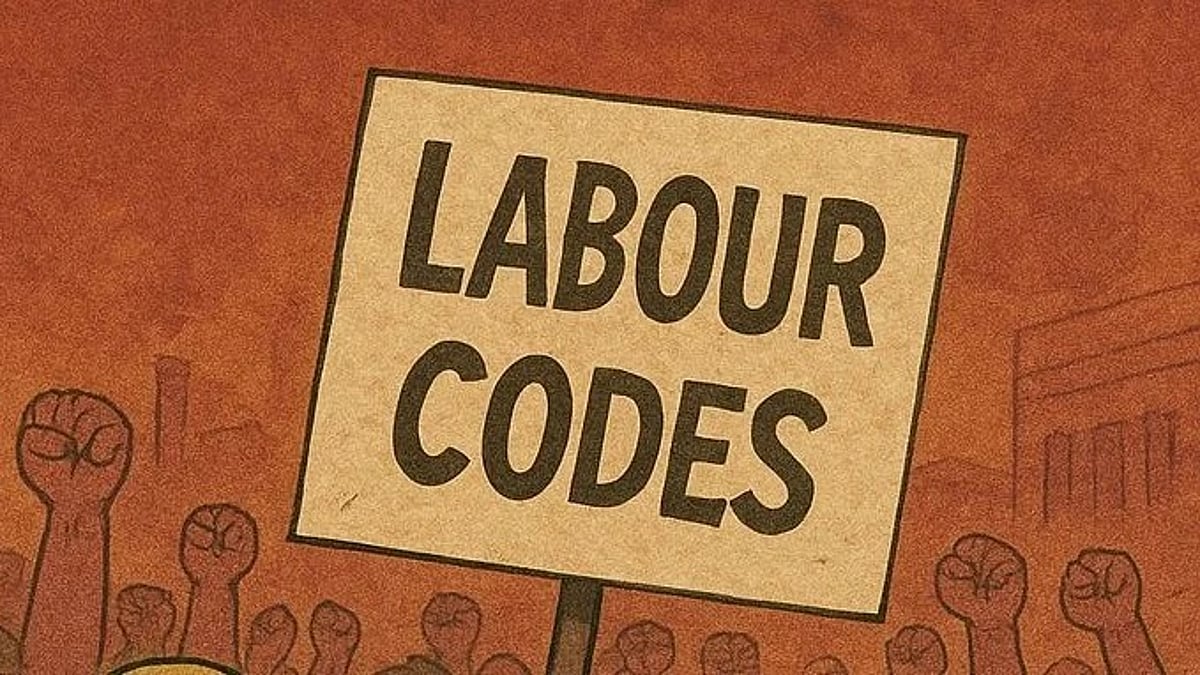

The Occupational Safety, Health and Working Conditions Code expands workplace safety norms to a wider set of establishments and mandates basic welfare facilities where applicable. All workers will be entitled to free annual health check-ups and compensation now covers accidents that occur during commutes to and from work.
Welfare schemes under the social security framework include maternity benefits, life and disability cover, and old-age protection for unorganised workers providing a wider social safety net for construction labourers and their families.
Formalisation and Portability
Formalisation is central to the reforms: workers must receive appointment letters specifying roles, wages and social security. The definition of inter-state migrant worker has been broadened, allowing migrant construction labourers to port benefits such as BOCW cess-funded schemes and PDS entitlements across states.
By combining legal clarity with practical safeguards, the Labour Codes aim to make construction work safer, more transparent and socially secure.