
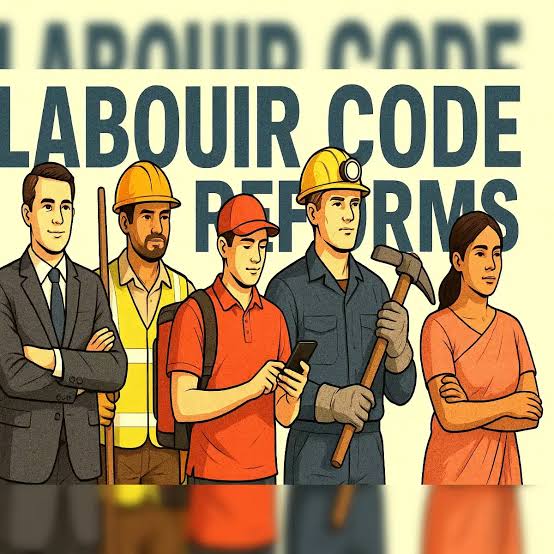


Under the new framework, digital content creators, electronic-media journalists, dubbing artists and stunt persons gain access to social security, health protections and enforceable workplace rights. Crucially, the period to lodge wage and service claims has been standardised to three years, giving workers a longer, clearer window for legal recourse compared with earlier, variable limitation periods.
Formal contracts, transparency and dispute redressal
The Codes require employers to issue appointment letters in a prescribed format and provide wage slips electronically or on paper when wages are paid. Written agreements must state assignment nature, wages, social security entitlements, safety measures and dispute-resolution clauses helping reduce informal work arrangements and providing documentary evidence in disputes.
Stronger wage security
Perhaps the most consequential change is universal minimum wages: minimum pay now applies to all employees rather than only “scheduled” employments. The government will periodically revise wage rates and set a nationwide floor wage reflective of living costs to narrow regional disparities and curb distress migration.
Payment timelines are also tightened: daily wages must be paid at shift end; weekly wages before the weekly holiday; fortnightly wages within two days of the fortnight’s close; monthly wages within seven days of the next month; and wages on termination within two working days. Overtime will be paid at double the normal rate and only with worker consent.
Producer liability and benefits
Where contractors fail to clear dues, the producer of the audio-visual programme will be held liable for payment removing historic wage ceilings and strengthening recovery for workers. Wages, Provident Fund status (where applicable), and bonuses are to be explicitly recorded in agreements, improving enforcement and benefits coverage.
Health, safety and welfare
The Occupational Safety, Health and Working Conditions Code (OSH & WC Code, 2020) extends universal coverage for health and safety across establishments. Workers aged above 40 are entitled to free annual health check-ups. Producers are required to ensure regulated working hours, welfare facilities and safety protocols on sets and shoots.
Work-life balance and non-discrimination
Normal working hours are capped at eight hours a day, 48 hours a week, with overtime subject to consent and higher pay. Annual paid leave eligibility is now for employees working 180 days in a year, down from 240 days broadening access to paid time off. The Codes also explicitly prohibit gender discrimination in recruitment, wages and employment conditions.
Why this matters
India’s audio-visual sector contributes significantly to culture and GDP but has long relied on informal contracts, daily hires and irregular payments. The unified Labour Codes aim to align creative growth with labour dignity by formalising pay, widening social security nets and placing clear responsibilities on employers and producers.
Industry stakeholders welcomed provisions such as producer liability and mandatory contracts while noting the need for smooth implementation, awareness drives and accessible grievance redressal to ensure small producers and freelancers can comply without undue burden.