 Legacy Dumpsites and Their Impact
Urban dumpsites, often unscientifically managed over decades, contaminate groundwater, degrade air quality, emit methane, and pose fire hazards. Across India, 2,479 dumpsites cover nearly 15,000 acres, holding approximately 25 crore metric tonnes of waste. Without remediation, greenhouse gas emissions from these sites could reach 41.09 million tonnes of CO₂-equivalent by 2030.
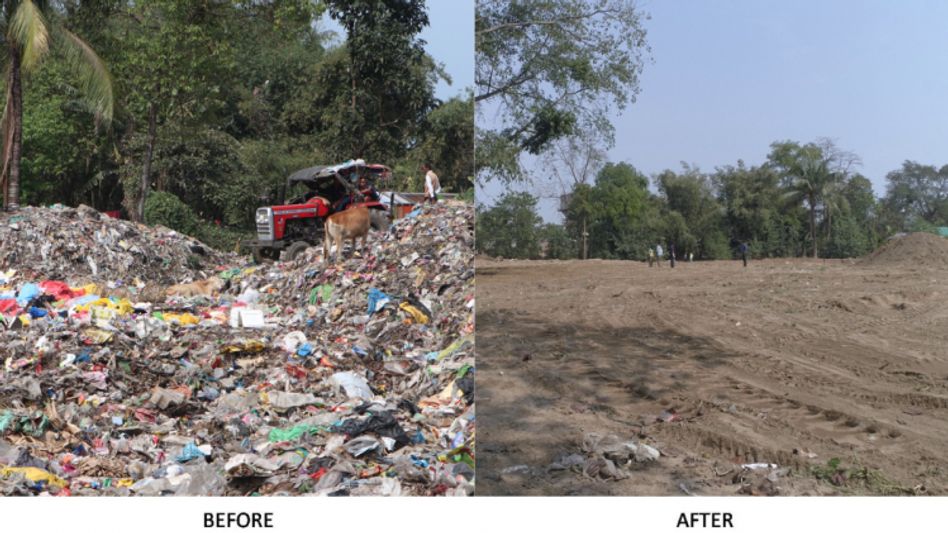
Currently, 1,428 dumpsites are under remediation, with over 62% of legacy waste already processed. DRAP emphasises both removal of old dumpsites and prevention of new ones via scientific waste processing.
Remediation Strategy: The 5P Framework
DRAP employs a 5P model Political Leadership, Public Finance, Partnerships, People’s Participation, and Project Management to ensure accountability, funding, collaboration, community engagement, and efficient execution.
- Political Leadership: Leaders adopt dumpsites to oversee remediation, such as Delhi’s Bhalswa site, where 4.79 lakh metric tonnes of legacy waste were processed in 2025.
- Public Finance: Cities receive enhanced funding (₹550 per tonne) for both legacy and fresh waste management, with ₹6,700 crore approved for targeted sites.
- Partnerships: Collaboration with PSUs, cement plants, waste-to-energy facilities, NGOs, and technical experts accelerates remediation.
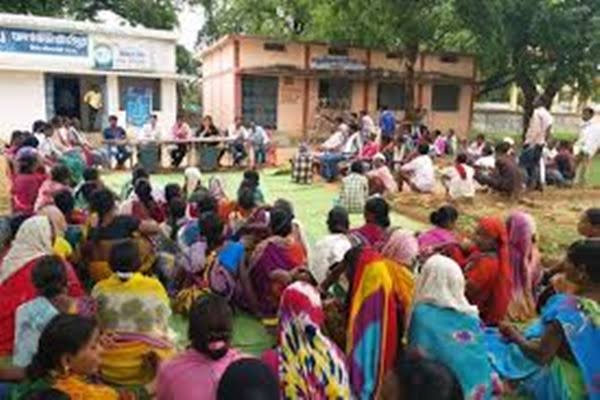
- People’s Participation: Local communities engage in health camps, awareness drives, and site-specific ownership initiatives.
- Project Management: Technology-enabled monitoring ensures timely, efficient execution of remediation projects.
From Waste to Resource
Remediated waste undergoes biomining, where it is scientifically stabilised, segregated, and converted into usable streams:
- Inert & Soil-like Material: Used in roads, embankments, and land leveling.
- Construction & Demolition Waste: Processed into tiles, bricks, and aggregates.
- Refuse-Derived Fuel: Supplied to cement plants and waste-to-energy units.
- Recyclables: Plastics, metals, glass, and paper are reprocessed into new products.
- Biodegradable Waste: Composted for soil enrichment.
- Non-reusable rejects: Sent to scientific landfills.
This circular approach ensures minimal landfill dependence and promotes sustainable urban resource recovery.
Strengthening Waste Processing Ecosystem
SBM-Urban 2.0 supports the remediation drive through Material Recovery Facilities (MRFs), compost plants, bio-methanation, compressed biogas (CBG), and Waste-to-Electricity (WtE) plants. India currently has 2,900 operational MRFs, 2,800 compost plants, 131 bio-methanation plants, 145 CBG plants, and 17 WtE plants in major cities.
The Way Forward
Eliminating dumpsites by 2026 will strengthen urban governance, enhance public health, reduce greenhouse gas emissions, and promote SDG-compliant cities. Mission Zero Dumpsites contributes to sustainable, resource-efficient, and cleaner urban spaces, aligning with the vision of Viksit Bharat 2047.