 Night Owls Show Poorer Heart Health
The study focused on chronotypes — a person’s natural preference for sleeping and waking times. Participants were grouped into morning types, evening types and those with no strong preference.
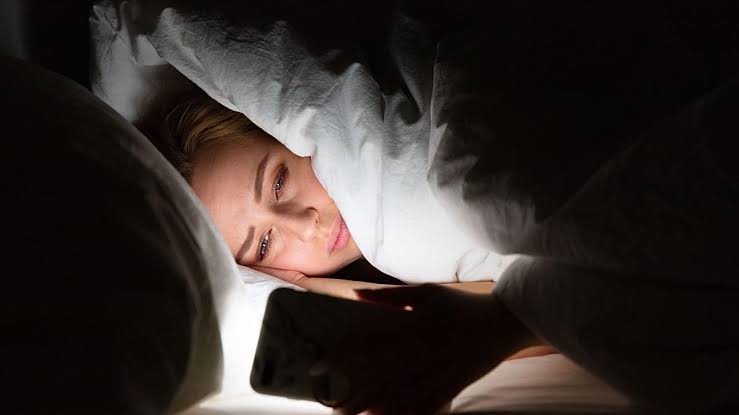
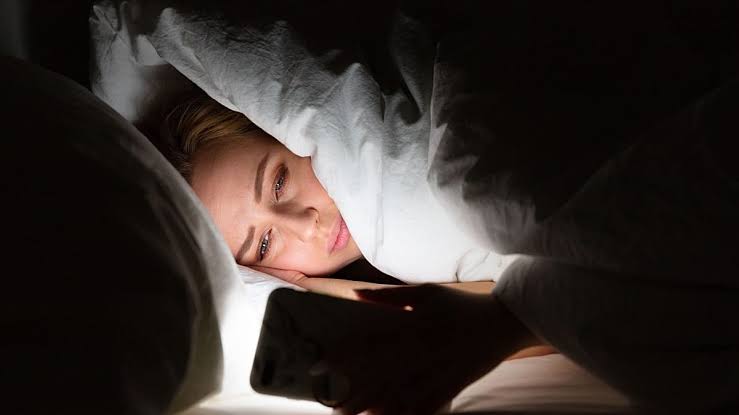
Adults who identified as definite evening types were found to have markedly poorer cardiovascular health scores compared to those with intermediate or morning preferences. Researchers noted that night owls were nearly 80 per cent more likely to fall into the category of poor heart health.
Over an average follow-up period of 14 years, evening-oriented individuals also showed a 16 per cent higher risk of experiencing a heart attack or stroke.
Women Face Greater Risk
One of the most striking findings of the research was the gender gap. The association between late bedtimes and poor cardiovascular health was significantly stronger among women than men.
Experts believe hormonal factors, combined with social and work-related pressures that disrupt sleep patterns, may contribute to this heightened vulnerability. However, researchers emphasised that further studies are needed to fully understand the biological mechanisms involved.
Lifestyle Habits Play a Major Role
The findings suggest that late sleeping itself may not be the sole cause of increased heart risk. Instead, unhealthy habits commonly seen among night owls appear to drive much of the damage.
Evening types were more likely to smoke, get inadequate or irregular sleep, follow poorer-quality diets and maintain inconsistent daily routines. These factors negatively affect blood pressure, cholesterol, blood sugar levels and body weight all key indicators of heart health.
According to the researchers, improving these modifiable behaviours could significantly reduce cardiovascular risk, even for those who naturally prefer late nights.
Why Late Nights Disrupt the Body Clock
Medical experts point to circadian misalignment as a key concern. When a person’s internal body clock does not align with natural daylight cycles or work schedules, it can interfere with metabolism, hormone regulation and sleep quality.
This mismatch may make it harder for night owls to maintain healthy routines, increasing long-term stress on the heart and blood vessels.
Hope for Night Owls
Health specialists stress that the findings are not a cause for alarm, but a call for awareness. Evening types are not inherently unhealthy, but they may need to be more intentional about lifestyle choices.
Simple steps such as quitting smoking, improving sleep quality, maintaining regular meal timings and staying physically active can help offset much of the added risk.
Indian health authorities have also emphasised the importance of preventive care and healthy daily routines under national wellness initiatives.
Study Limitations
The researchers acknowledged certain limitations. Most participants were from the UK and largely of European descent, which may limit how broadly the findings apply to other populations, including India.
Chronotype was also self-reported and measured only once, meaning changes in sleep habits over time were not captured.
The Bigger Message
The study reinforces a growing body of evidence linking sleep patterns to long-term health outcomes. While modern lifestyles often encourage late nights, the heart may quietly pay the price.
For night owls, the message is clear: aligning daily habits with healthier routines could make a life-saving difference.