
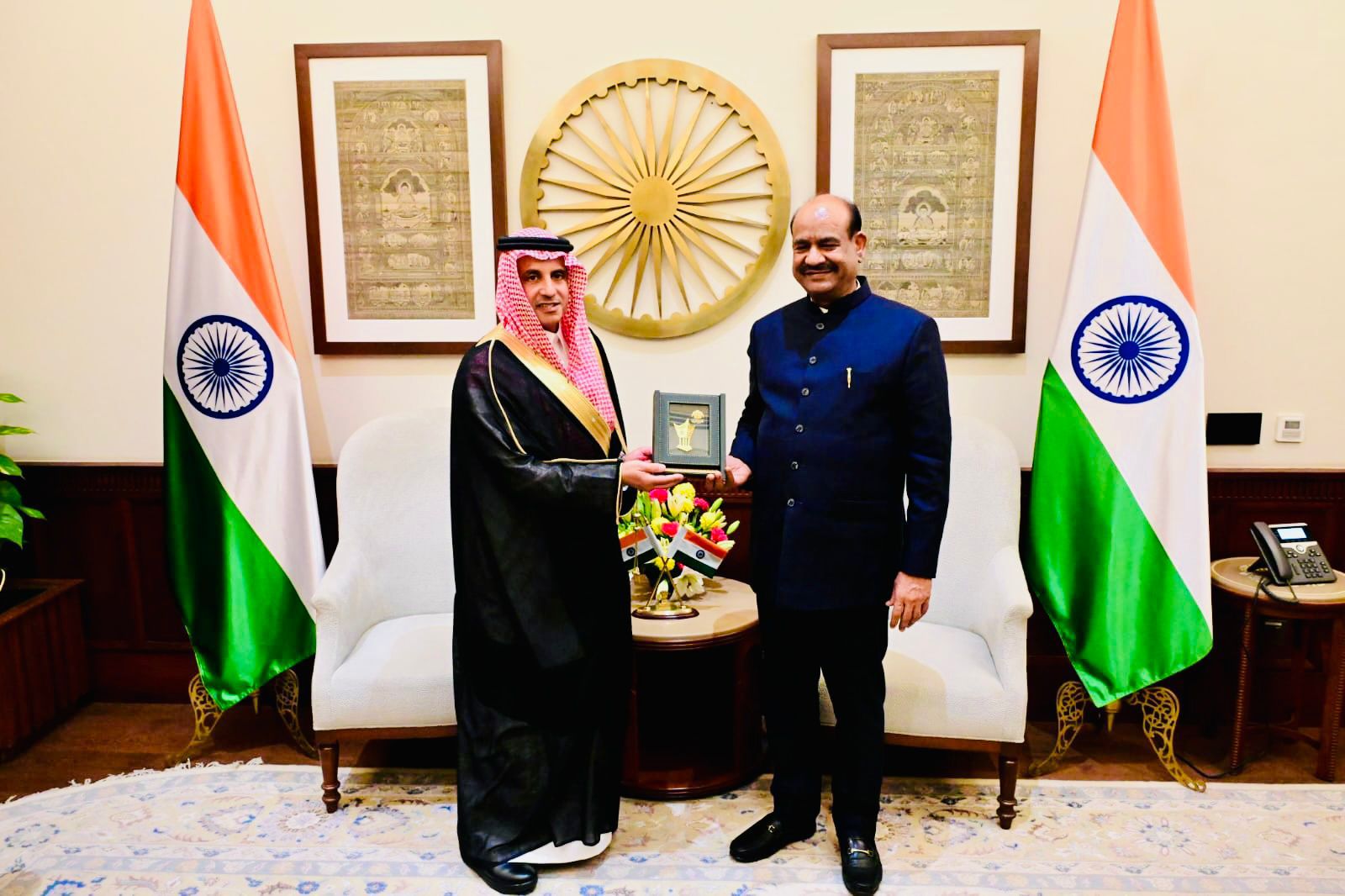

The Parliamentary Friendship Groups bring together Members of Parliament from across party lines, reflecting the pluralistic and inclusive character of India’s democracy. Senior leaders from multiple political parties have been appointed to head various country-specific groups, ensuring bipartisan representation in global engagements.
The initiative underscores Parliament’s evolving role in foreign engagement. Rather than limiting international relations to executive diplomacy, the effort empowers lawmakers to directly engage with their counterparts abroad, share legislative best practices, and address global challenges collectively.
Countries Covered in First Phase
In the first phase, Friendship Groups have been constituted with over 60 nations spanning Asia, Europe, Africa, Oceania, and the Americas. These include Sri Lanka, Germany, New Zealand, Switzerland, South Africa, Bhutan, Saudi Arabia, Israel, Maldives, the United States, Russia, the European Parliament, South Korea, Nepal, the United Kingdom, France, Japan, Italy, Oman, Australia, Greece, Singapore, Brazil, Vietnam, Mexico, Iran, and the United Arab Emirates.
According to details released by the Press Information Bureau (PIB), the objective is to create sustained engagement mechanisms that facilitate structured dialogue, study visits, and mutual exchanges. More countries are expected to be included in the coming phases. (Source: https://pib.gov.in)
Beyond Party Lines
One of the defining features of the Parliamentary Friendship Groups is the broad-based participation of leaders from different political parties. Prominent parliamentarians from both the ruling party and the opposition have been entrusted with leadership roles in various groups.
This inclusive approach projects India’s democratic maturity to the world. It sends a clear message that on matters of national interest and global cooperation, India’s Parliament stands united, transcending partisan boundaries.
Building on Multi-Party Global Outreach
The move builds upon recent multi-party international outreach efforts initiated after Operation Sindoor, where leaders from various political backgrounds represented India abroad to articulate the country’s position on critical issues. By institutionalising Parliamentary Friendship Groups, the Lok Sabha Speaker has given long-term structure to such bipartisan diplomatic engagement.
This approach strengthens Parliament-to-Parliament and people-to-people connections. It expands conversations beyond formal diplomacy to include cooperation in trade, technology, culture, social policy, and democratic governance.
Enhancing India’s Global Standing
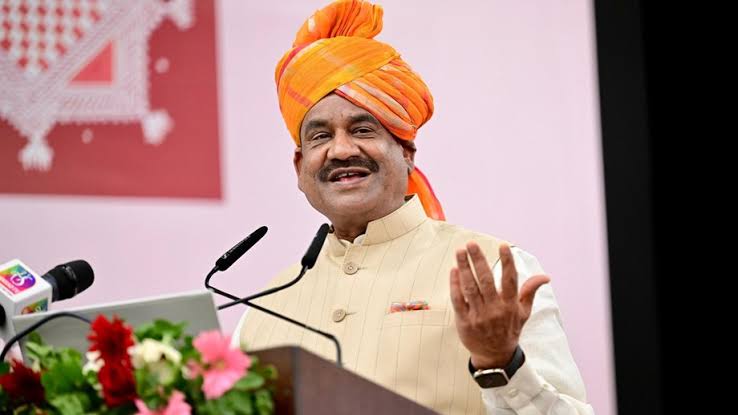
Under the stewardship of Speaker Om Birla, India’s Parliament has increasingly participated in global legislative forums. The formation of Friendship Groups further consolidates India’s role as a proactive and confident democracy willing to collaborate on shared global concerns.
Parliamentary diplomacy allows lawmakers to exchange experiences on governance reforms, digital transformation, climate challenges, and social welfare policies. Such engagement not only strengthens bilateral ties but also promotes mutual understanding among democracies.
Experts note that this structured outreach will help sustain long-term relationships built on trust and democratic values. By formalising these groups, India signals its commitment to deepening international partnerships through dialogue and cooperation.
More Countries to Follow
While the current phase covers over 60 nations, efforts are underway to expand the network further. The Lok Sabha Secretariat is expected to announce additional Friendship Groups in the near future, widening the scope of India’s parliamentary diplomacy.
The initiative reinforces the idea that diplomacy is not confined to governments alone. Legislatures, as representatives of the people, play an equally crucial role in shaping international understanding and strengthening global democratic bonds.
With this step, India’s Parliament positions itself as a bridge between nations, reflecting the strength, inclusivity, and resilience of the world’s largest democracy.