
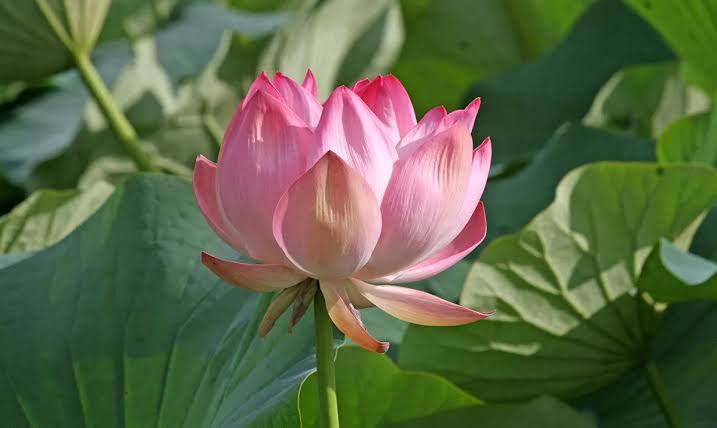
In a stunning revival, Kashmir’s Wular Lake blooms with pink lotuses once again, 30 years after they vanished in a devastating flood.
A Divine Comeback in the Heart of Kashmir
For the first time in three decades, the lotus blooms in Wular Lake, bringing joy, nostalgia, and renewed hope to the people of Bandipora. Once Asia’s largest freshwater lake, Wular had lost its signature pink lotuses after the massive floods of 1992. But now, thanks to the Wular Conservation and Management Authority (WUCMA), the lotus is back — and with it, a way of life once thought extinct.
“It’s like God returned his gift,” says Abdul Rashid Dar, gazing at the sea of blooms.
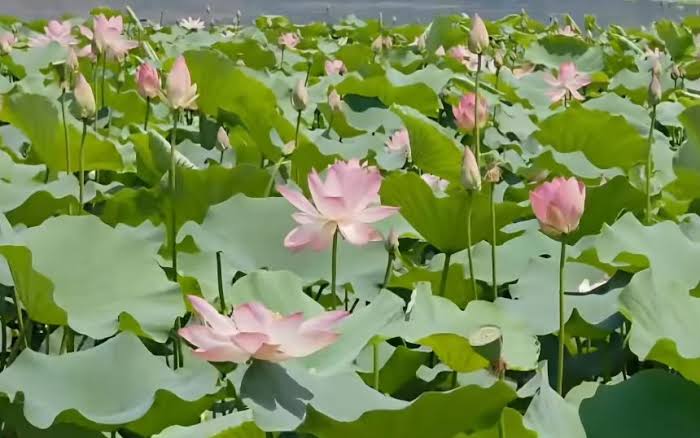

In 1992, heavy flooding swept through Kashmir, burying Wular’s lotus beds under thick layers of silt. The lake’s water flow was disrupted, and the ecosystem suffered massively. Villagers lost a key livelihood — harvesting lotus stems, known locally as Nadru, a traditional delicacy in Kashmiri cuisine.
“We thought the lotus was lost forever,” says Ghulam Hassan Reshi from Lankreshipora village.
WUCMA’s Revival Mission
Fast forward to 2020. WUCMA launched a major conservation drive to reclaim the lake’s health. Their approach was simple but effective: remove silt, restore the flow, and let nature do the rest.
So far, over 7.9 million cubic meters of silt have been dredged. That’s not just cleaning — it’s transformation. With the silt gone, lotus seeds that had long been buried finally found the sunlight they needed.
“We even scattered new lotus seeds,” says Mudasir Ahmad, zonal officer at WUCMA. “But the real magic came from the old roots reawakening.”
A Cultural and Economic Win
The return of the lotus isn’t just an environmental success. It’s an emotional and economic one, too. Lotus stem harvesting, a labour-intensive but lucrative job, has returned — providing income during the lean months from September to March.
“Last year, we didn’t let anyone touch the blooms. We were too scared to lose them again,” says Abdul Aziz Dar, a lotus stem farmer.
The local delicacy, Nadru Yakhni — lotus stem in yogurt curry — may soon return to more homes and markets, restoring culinary traditions and supporting rural livelihoods.
What’s Next for Wular?
The lake still faces challenges. Pollution from the Jhelum River and 25 feeding streams continues to threaten its health. To tackle this, WUCMA is building retention basins to stop further waste from flowing into the lake.
Officials remain optimistic. The goal is clear: protect what has returned and ensure Wular never loses its lotus again.
Embracing Nature’s Resilience
Lotuses are more than flowers. In Kashmir, they represent beauty, resilience, and a bond between people and nature. Their return to Wular Lake is a reminder that with the right efforts, lost legacies can be revived.
“It’s almost a miracle,” says Dar. “But it’s also a second chance.”
Key Facts
- Lake: Wular Lake, Bandipora, Kashmir
- Revival Year: 2024–25
- Conservation Body: Wular Conservation and Management Authority (WUCMA)
- Silt Removed: 79 lakh cubic meters
- Local Name for Lotus Stem: Nadru
- Traditional Dish: Nadru Yakhni