
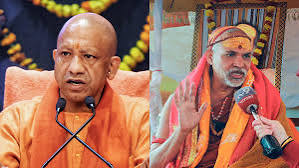
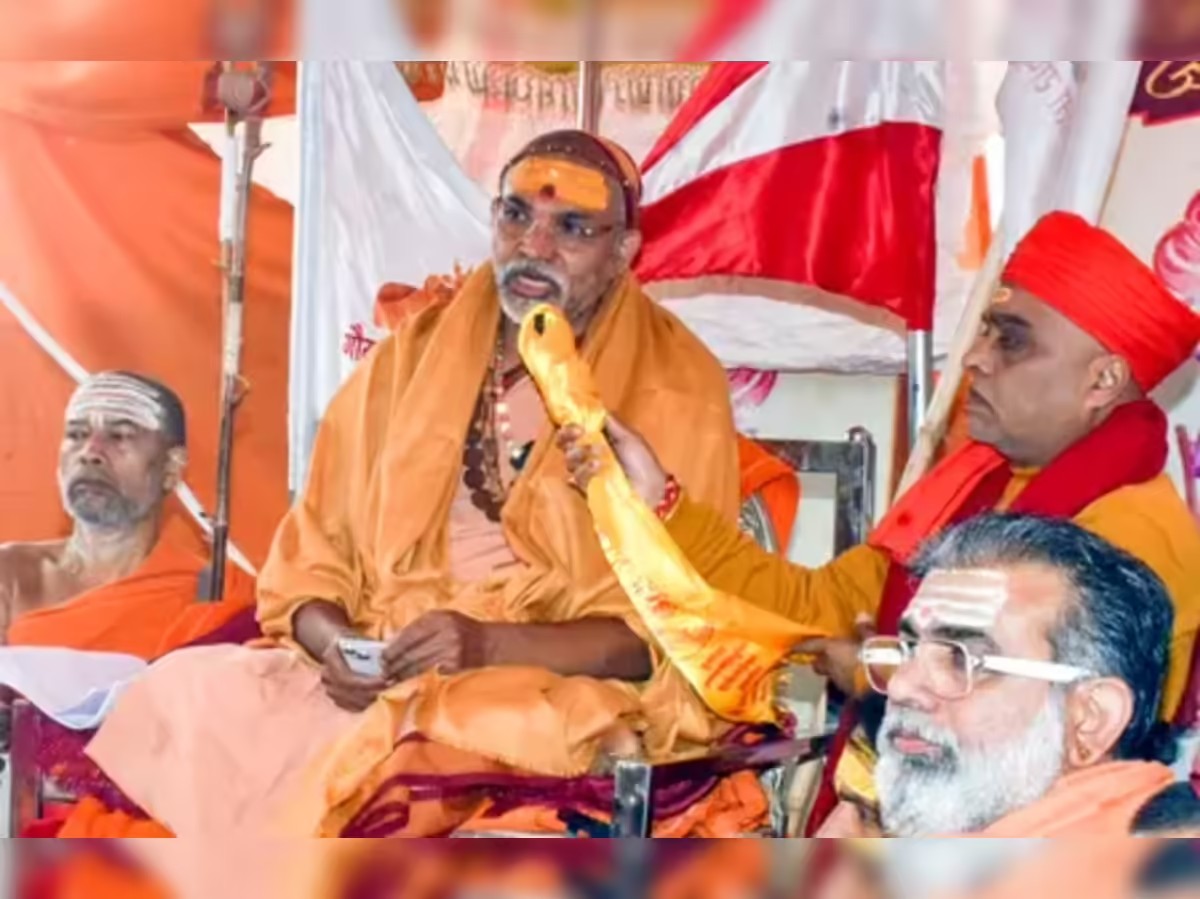

Speaking to reporters in Varanasi, Swami Avimukteshwaranand said that genuine adherence to Hindu values begins with reverence for the cow. He urged the Uttar Pradesh government to stop cow slaughter and beef exports from the state and to declare the cow as ‘Rashtra Mata’.
According to the seer, such measures would serve as tangible proof of the government’s commitment to Hindu sentiments. “Our credentials were questioned and we submitted them. Now the government must show its credentials,” he said, directly addressing the chief minister.
Background of the Magh Mela Incident
The dispute dates back to January 18, when the seer was travelling in a palanquin towards the Sangam on the auspicious occasion of Mauni Amavasya. Authorities reportedly asked him to dismount and proceed on foot due to heavy crowd pressure.
The Mela administration later alleged that supporters of the seer breached a barricade on a pontoon bridge, complicating crowd control efforts. The seer, however, claimed he was denied dignity and respect befitting his religious stature.
Protest, Sit-in, and Withdrawal
Following the incident, Swami Avimukteshwaranand staged an 11-day sit-in protest near the Shankaracharya camp, demanding a formal apology and respectful arrangements for the ritual bath. He eventually left the Magh Mela site, stating he did so “with a heavy heart.”
He announced that he would return next year to take a ceremonial dip but made it clear that the administration’s conduct had deeply hurt religious sentiments.
Administrative and Political Fallout
The controversy triggered unexpected administrative consequences. A deputy commissioner in the Uttar Pradesh GST department resigned, citing moral reasons and expressing anguish over allegations made against the chief minister and the prime minister.
Separately, a city magistrate from Bareilly also stepped down, stating concerns over the alleged insult to the seer and broader societal implications. These resignations intensified the spotlight on the issue and added to the political pressure.
Legal and Political Reactions
Amid the ongoing row, the Magh Mela administration issued a notice questioning Swami Avimukteshwaranand’s use of the title ‘Shankaracharya of Jyotish Peeth’, citing a civil appeal pending before the Supreme Court. The seer countered by questioning why multiple Shankaracharyas were permitted camps at the same religious event.
The Congress party announced an awareness campaign, accusing the state government of insensitivity and urging the governor to take suo motu cognisance of the matter.
A Larger Debate on Faith and Governance
The Magh Mela row has now transcended a single incident, evolving into a broader debate on religious respect, administrative authority, and political identity in Uttar Pradesh. Analysts note that the controversy reflects the delicate balance between managing massive religious gatherings and accommodating spiritual leaders.
As the issue continues to unfold, it remains to be seen whether the state government will respond directly to the seer’s challenge or allow the matter to subside with time.