
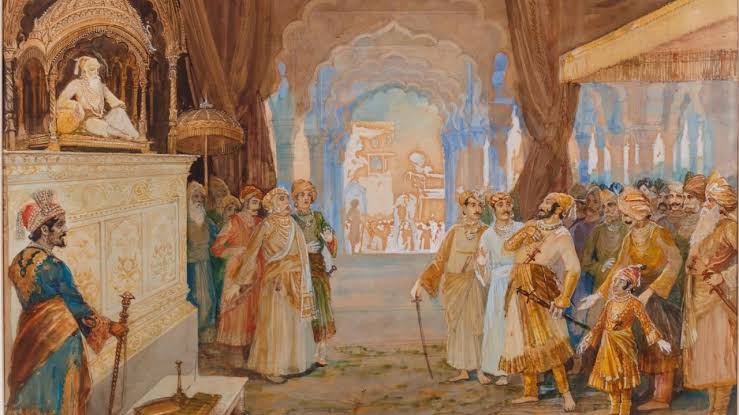
The Maharashtra Assembly recently became the center of heated debates as discussions on historical figures like Chhatrapati Shivaji Maharaj, Chhatrapati Sambhaji Maharaj, and Aurangzeb took center stage. The controversy intensified following the suspension of Samajwadi Party MLA Abu Azmi, who praised Aurangzeb as a capable administrator and argued that India flourished economically during his reign. His remarks came amidst debates surrounding the movie Chhaava, which portrays Sambhaji Maharaj, further fueling political tensions.
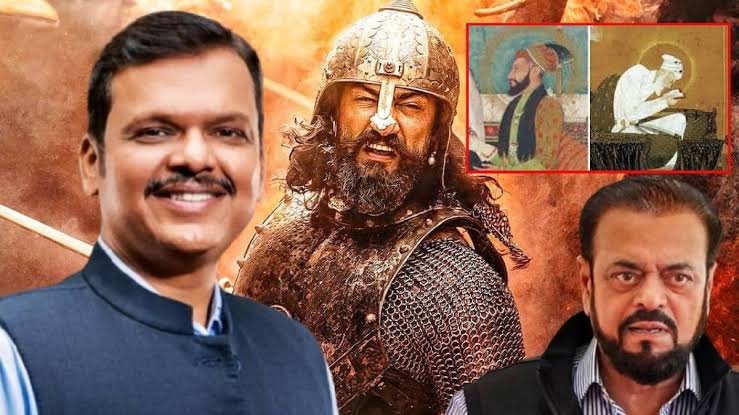

The debate reflects a long-standing historical divide over Aurangzeb’s legacy. While some see him as an oppressive ruler who suppressed religious freedoms and engaged in military conquests at great human and financial costs, others highlight his administrative policies and the territorial expansion of the Mughal Empire under his rule. Scholars remain divided, with some arguing that his actions were politically motivated rather than purely religious, pointing out that his court included a significant number of Hindu officials.
As the controversy continues, it underscores how interpretations of history remain deeply intertwined with contemporary politics, shaping narratives that influence public sentiment and governance.