
India’s Heritage Shines on the Global Stage
India has achieved yet another milestone on the world heritage front.
On July 12, 2025, UNESCO added the ‘Maratha Military Landscapes of India’ to its prestigious World Heritage List.
This recognition marks a historic moment, highlighting the legacy of the Maratha Empire and its military brilliance.
Prime Minister Narendra Modi expressed his heartfelt pride over the announcement, calling it a moment of joy for all Indians.

The inscribed heritage includes 12 magnificent forts, built between the 17th and 19th centuries.
- 11 forts are located in Maharashtra
- 1 fort is in Tamil Nadu
These forts represent a unique blend of military architecture, strategic design, and cultural identity. They are marvels of engineering and history.
Among them are iconic forts like:
- Raigad Fort – the capital of Chhatrapati Shivaji Maharaj
- Sinhagad
- Rajgad
- Pratapgad
- Shivneri
- Panhala
PM Modi’s Emotional Tribute
In response to UNESCO’s post on X (formerly Twitter), Prime Minister Modi shared his excitement:
“Every Indian is elated with this recognition.”
He highlighted how the Maratha Empire stood for good governance, military strength, cultural pride, and social welfare.
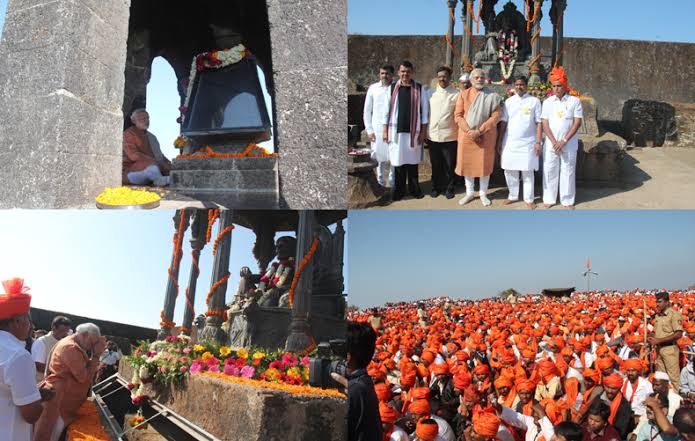
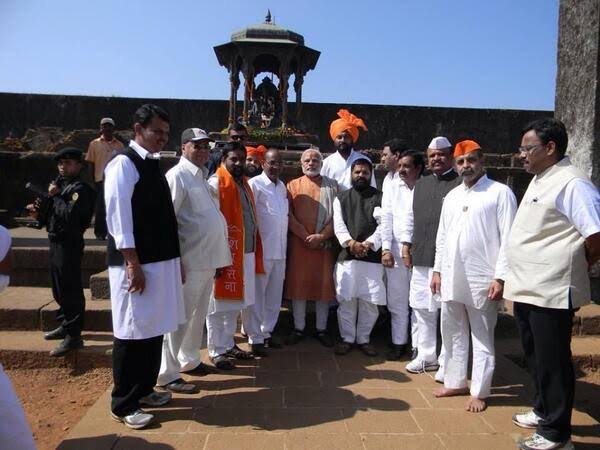
Modi also recalled his 2014 visit to Raigad Fort, where he paid tribute to Chhatrapati Shivaji Maharaj. Sharing personal photos from that day, he said he would “always cherish” the experience.
Why This Recognition Matters
This UNESCO inscription brings global attention to India’s historical heritage and cultural depth. It also:
- Encourages domestic and international tourism
- Promotes awareness about India’s rich past
- Honors the contributions of the Marathas to India’s unity and defense
The Prime Minister urged citizens to visit these forts and discover the inspiring stories behind them.
India’s Growing List of World Heritage Sites
With this addition, India now has 42 World Heritage Sites, making it one of the countries with the richest cultural listings.
This step also supports India’s Vision 2047, which aims to celebrate and preserve its civilizational history during Amrit Kaal.
Previously listed Indian sites include:
- Taj Mahal
- Qutub Minar
- Jaipur City
- Kaziranga National Park
- Ramappa Temple
Historical Significance of the Maratha Empire
Founded in the 17th century by Chhatrapati Shivaji Maharaj, the Maratha Empire reshaped the Indian subcontinent.
Its forts were not just military stations. They were administrative hubs, refuges for civilians, and symbols of defiance against imperial aggression.
Their locations—from hilltops to coastal edges—highlight the tactical genius of Maratha rulers.
Tourism Boost and Cultural Education
With UNESCO recognition, these forts are expected to witness a rise in tourism. This will:
- Boost local economies
- Create jobs in tourism and heritage conservation
- Enhance educational tours and cultural programs
Special campaigns will likely be launched by the government and Maharashtra tourism board.
Public Response and Patriotism
Netizens flooded social media with messages of pride and nostalgia.
Many shared pictures from their trips to these forts. Historians, scholars, and students celebrated the recognition as a long-overdue honor.
This move has rekindled interest in India’s military history and indigenous knowledge systems.
Looking Ahead
The inclusion of the Maratha Military Landscapes of India in the UNESCO World Heritage List is more than a global accolade.
It is a tribute to the spirit of resistance, innovation, and pride that defined an empire.
As PM Modi said, let us all visit these majestic forts, walk their ancient paths, and understand the roots of our nationhood.