 Why the Moon Turns Red During a Total Lunar Eclipse
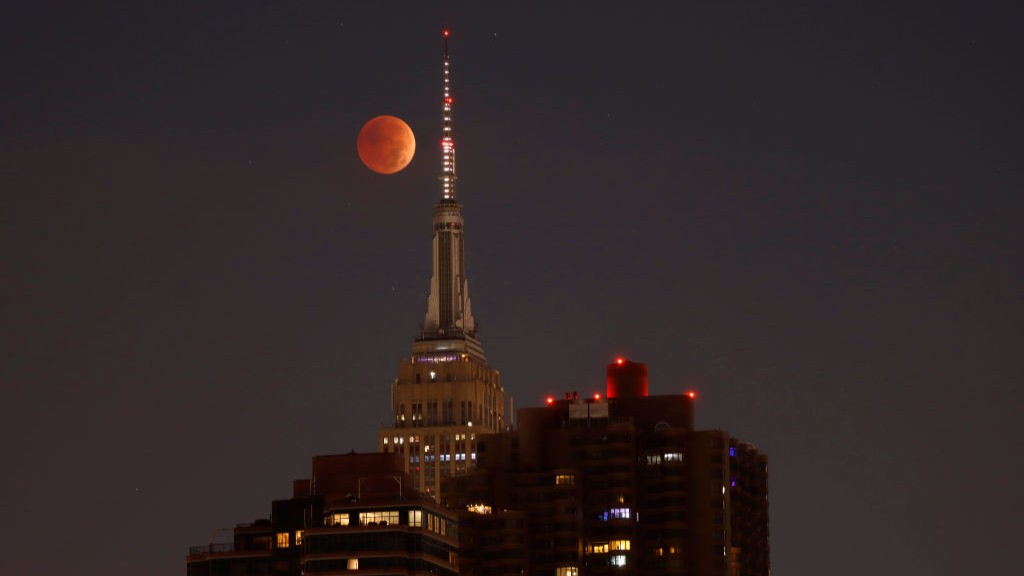
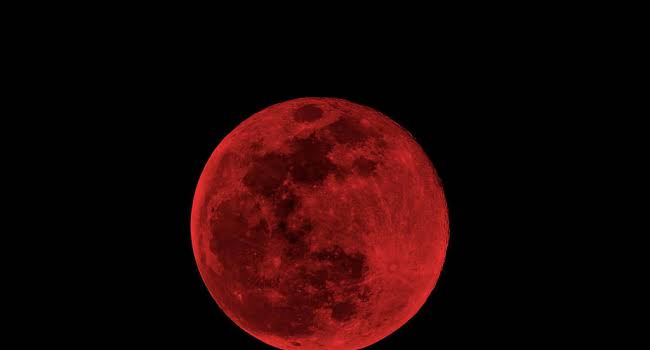
A total lunar eclipse occurs when Earth comes directly between the Sun and the Moon, blocking direct sunlight. However, some sunlight passes through Earth’s atmosphere and bends toward the Moon.
This filtered light scatters shorter blue wavelengths and allows red and orange tones to dominate, giving the Moon its coppery glow. Unlike a solar eclipse, this phenomenon is completely safe to observe with the naked eye.
According to astronomical data published by global tracking platforms such as Time and Date and scientific resources referenced by space observers, this eclipse will not be followed by another total lunar eclipse anywhere on Earth until the end of 2028.
Top Global Viewing Locations
Experts identify ideal viewing spots by studying historical cloud cover and light pollution trends. Clear skies and minimal artificial light significantly enhance visibility.
Grand Canyon National Park, USA
This iconic natural wonder offers wide, unobstructed views from locations such as Mather Point and the Rim Trail. The eclipse’s totality here is expected between early morning hours local time, providing dramatic desert landscapes under a crimson Moon.
Horsetooth Mountain Open Space, USA
Located in Colorado, this site frequently hosts public stargazing sessions. Astronomy groups and enthusiasts often gather here due to its relatively dark skies and elevated vantage points.
Arkaroola Wilderness Sanctuary, Australia
This remote sanctuary in South Australia is known for exceptionally dark skies and low cloud cover in early March. Its isolation makes it one of the best global destinations to witness the Blood Moon in its full brilliance.
Warrumbungle Dark Sky Park, Australia
Australia’s first officially declared Dark Sky Park is home to the renowned Siding Spring Observatory. Inland positioning reduces humidity and coastal cloud interference, improving viewing clarity.
Saguaro National Park, USA
Situated in the Sonoran Desert near Tucson, this park is recognised for its night sky preservation efforts. Nearby observatories enhance its reputation among global stargazers.
Can You See the March 3 Lunar Eclipse from India?
While India may not witness the complete phase of totality due to geographical positioning, astronomy enthusiasts can still follow partial phases depending on local timing.
Those unable to view it directly can watch live streams provided by global observatories and space agencies. The Indian Space Research Organisation (ISRO) regularly updates celestial event information on its official portal (isro.gov.in).
Binoculars or small telescopes can enhance crater visibility during totality, but no protective glasses are required.
Tips for the Best Viewing Experience
- Choose a location away from city lights.
- Check weather forecasts a few days prior.
- Arrive early to allow your eyes to adjust to darkness.
- Carry a tripod for stable photography.
Unlike solar eclipses, lunar eclipses unfold gradually over several hours, allowing viewers to enjoy the transformation from bright full Moon to deep red spectacle.
A Rare Celestial Moment
The March 3 total lunar eclipse promises to be one of the most visually striking astronomical events of the decade. For many, it offers not just a scientific spectacle but a reminder of Earth’s place in the cosmic dance.
Whether viewed from Australia’s dark-sky parks, America’s desert landscapes, or through live streams in India, the Blood Moon is set to captivate millions across the globe.