 The new harbour, aligned with the Blue Port Initiative, will integrate state-of-the-art safe landing and berthing facilities for 430 fishing vessels, coupled with IoT-enabled systems for digital traceability and operational safety. Designed for sustainable fisheries management, it is expected to handle an annual fish landing of 9,900 tonnes and significantly enhance incomes and employment opportunities across the fisheries value chain.
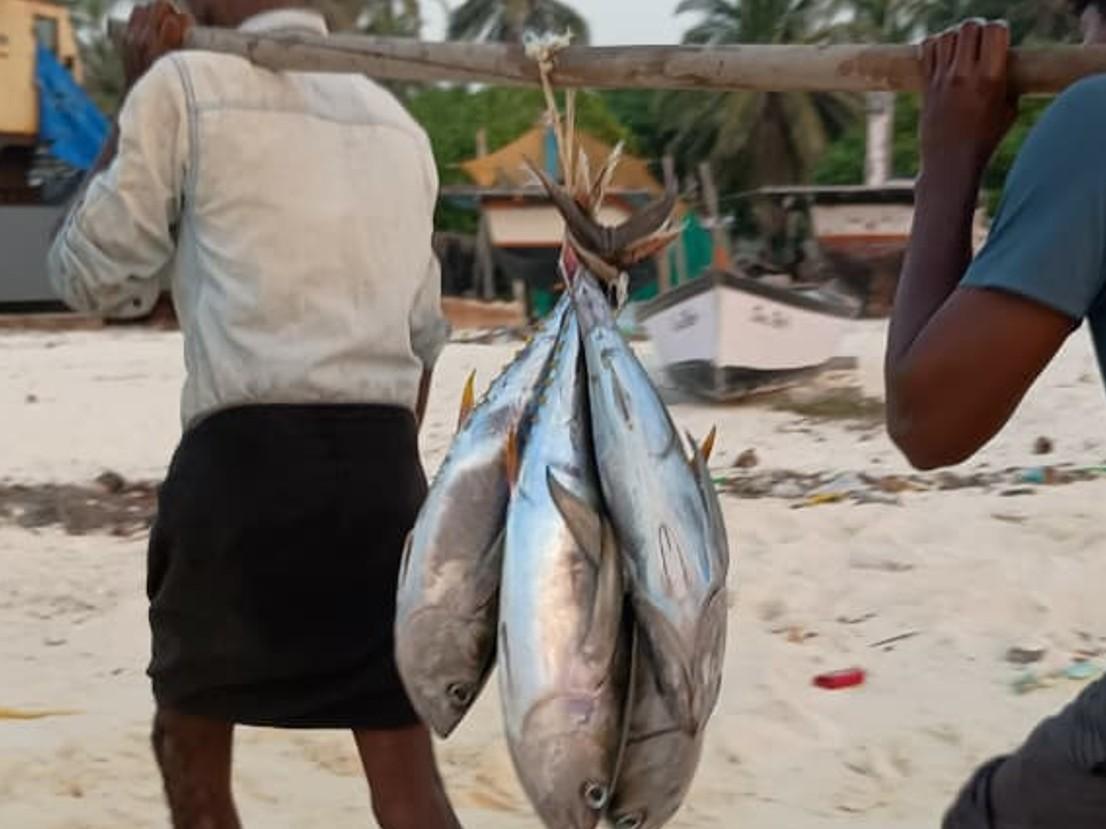
The Andaman & Nicobar Islands, with 6 lakh sq. km of Exclusive Economic Zone (EEZ) and an estimated 60,000 MT of tuna and tuna-like species, including 24,000 MT of Yellowfin tuna, represent a vital marine resource base. In 2024, the Department of Fisheries organized an investors’ meet to promote fisheries and aquaculture in the region, emphasizing tuna fishing technologies, seaweed cultivation, and allied infrastructure development.
Under PMMSY, a Tuna Cluster has been notified to strengthen infrastructure, training, and investment partnerships, aiming to improve global competitiveness and value addition. Over the last decade, India’s fish production has doubled from 96 lakh tonnes in 2013–14 to 197.75 lakh tonnes in 2024–25, while seafood exports reached ₹62,408 crore, with more than 350 product varieties exported to 130 countries.
The Mayabunder harbour is expected to catalyze the growth of fisheries infrastructure in the Islands, supporting the government’s target of achieving One Lakh crore seafood exports by 2030–31. The facility will also contribute to combating Illegal, Unreported, and Unregulated (IUU) fishing through environmentally sustainable practices.
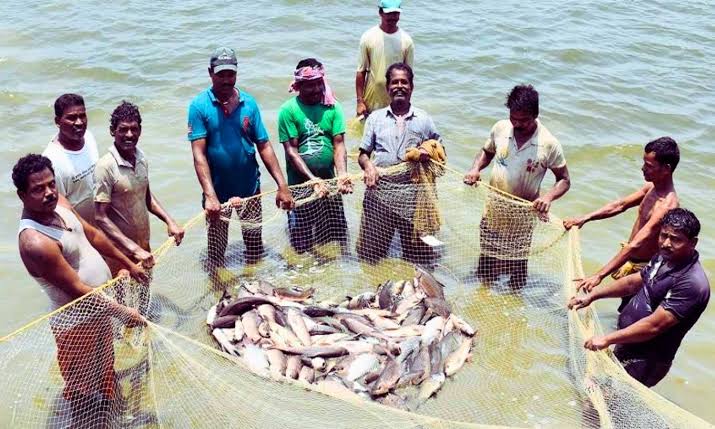
PMMSY interventions in the Islands have already strengthened the fisheries ecosystem with ₹5,573.02 lakh investment, creating hatcheries, ornamental fish units, brackishwater and freshwater ponds, value-addition enterprises, and modern cold-chain logistics. Support mechanisms include IT-enabled services through 280 Sagar Mitras, bio-toilets for mechanized vessels, and enhanced traceability with over 300 communication devices for fishing vessels.
These comprehensive efforts aim to improve livelihoods, increase resilience of coastal communities, and facilitate export-oriented development. By integrating production, post-harvest management, and value addition, the Mayabunder Smart and Integrated Fishing Harbour is set to become a key node in India’s modern fisheries infrastructure network.