 A two-pronged national strategy: skills and solutions
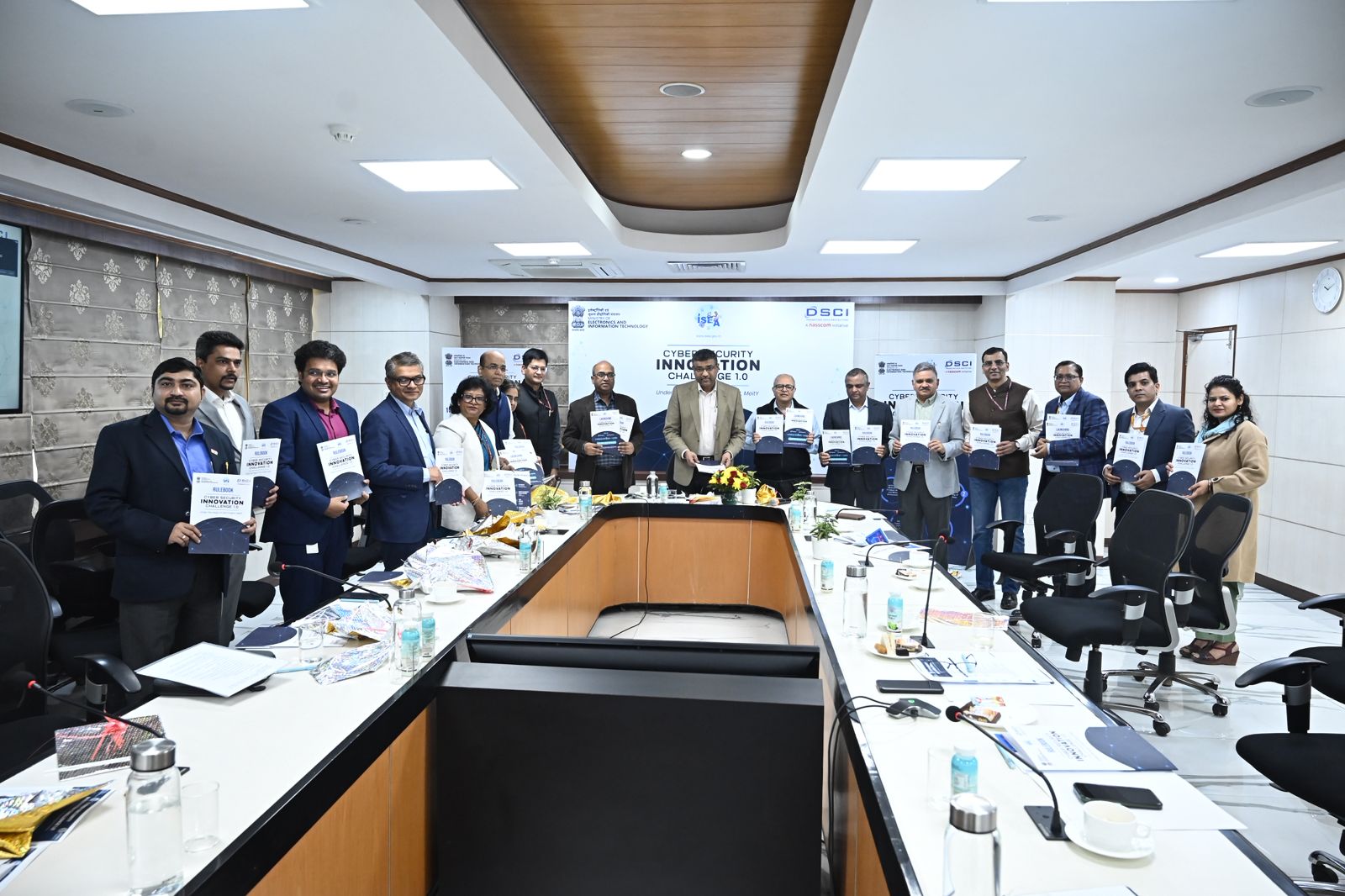
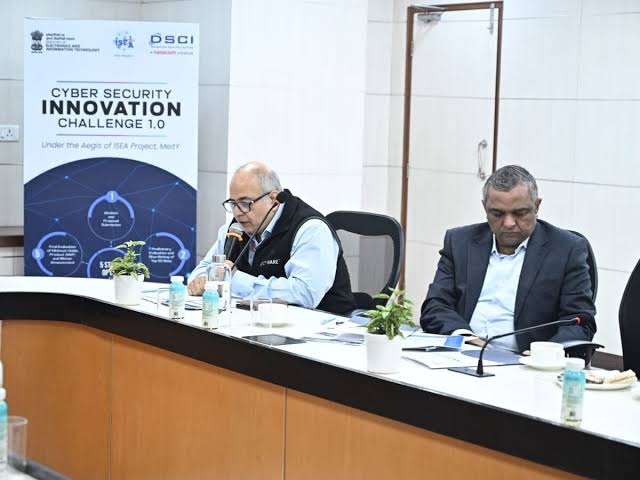
At the launch, Shri S Krishnan, Secretary, MeitY, presented the CSIC concept video, registration portal and the official rule book. He underlined a two-pronged approach: expand awareness of emerging threats while strengthening indigenous technological capabilities. According to MeitY, the challenge is designed to expose participants to real-world problems and help promising ideas move beyond prototype stage to scalable, deployable products.
Structure, domains and participation
CSIC 1.0 features a five-stage structure that mentors teams from ideation to Minimum Viable Product (MVP). The challenge includes ten domain-specific problem areas Computer & Network Security, Mobile Device Security, Systems & Software Security, Hardware Security, Security in Futuristic Technologies, Cryptography, Security in Distributed Wireless Networks, Cyber Forensics, Governance, Operations & Services, and Fintech Security—targeting priority sectors such as BFSI, telecom and healthcare.
DSCI CEO Vinayak Godse described the problem statements as collaboratively curated by DSCI, C-DAC and the ISEA team, ensuring practical outcomes. The initiative is open to students and researchers from the 50 institutions participating under the ISEA Project, which includes premier academic and autonomous institutes, IITs, NITs, IIITs, C-DAC and NIELIT centres.
Mentorship, market focus and Atmanirbhar Bharat
Top 20 teams will receive dedicated mentorship through expert webinars and hands-on sessions with industry leaders, while industry tie-ups are intended to create pathways from research to market. Shri Narendra Nath, Joint Secretary NSCS, highlighted the role of CSIC in advancing Atmanirbhar Bharat by strengthening technological sovereignty through homegrown solutions.
CERT-In Director General Dr. Sanjay Bahl welcomed the move to shift from reactive defence to proactive security, noting that the challenge creates a bridge between academic R&D and deployable products. Organisers emphasised that domain focus and industry collaboration will accelerate the conversion of research ideas into products suitable for national deployment.
ISEA Project: building human resources and cyber hygiene
The ISEA Project, led by MeitY, aims to generate skilled human resources in information security and spread cyber hygiene awareness across the country. Implemented across 50 academic and autonomous institutions, ISEA partners with C-DAC and DSCI to deliver curriculum, training and industry engagement. More information on ISEA is available at the official portal.
Practical impact and next steps
Organisers said CSIC 1.0 will help students acquire entrepreneurial mindsets and produce solutions tailored to India’s critical infrastructure needs. The five-stage pathway includes problem discovery, team formation, prototype development, MVP validation and mentorship for market readiness.
Interested participants can register via the official CSIC portal and find detailed problem statements and timelines on the DSCI and ISEA websites. Key resources and further details are available at the ISEA portal and the DSCI challenge page.