 What was approved and when it takes effect
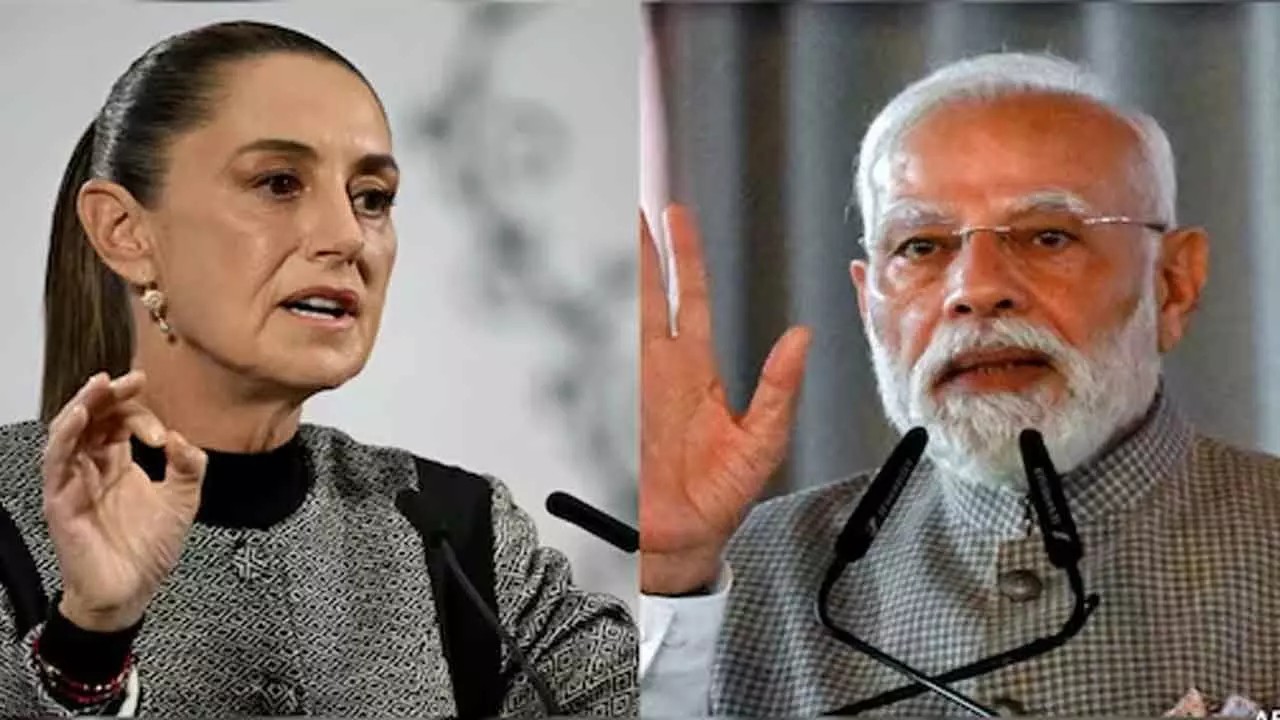
Mexico’s lawmakers endorsed a tariff regime that raises duties on many imports originating from nations that lack a free trade agreement with Mexico. The package covers over 1,400 product lines, with levies ranging between 5% and 50%. Several outlets report the change will be implemented from early 2026.
Why Mexico says it acted
Mexican officials say the hikes are protectionist steps to shield domestic industry and to raise revenue. Analysts and some governments view the measure as partly aligned with broader US pressure to curb cheaper Asian especially Chinese imports entering North American supply chains. Mexico denies the move targets any single nation, but the scale and timing have drawn international attention.
Direct impact on India: numbers and sectors
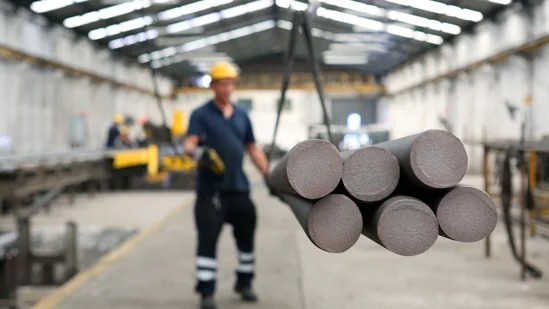
India exported roughly $5.7 billion to Mexico in 2024–25, around 1–2% of India’s total shipments, so the macro hit may be limited. But the pain is concentrated: passenger vehicle exports estimated at $800 million–$1 billion annually could face a 50% duty; steel, auto-components and textiles are also in higher tariff slabs. Industry and government sources warn certain product lines could see shipments fall sharply.
Industry response and immediate concerns
Trade bodies such as the Society of Indian Automobile Manufacturers (SIAM) have lobbied New Delhi to press Mexico to maintain the status quo on duties, arguing Indian cars occupy primarily compact, non-competitive market segments in Mexico. Indian exporters fear margins will evaporate and that supply chains involving China and South Korea will become costlier.
Geopolitics: US pressure and China in the frame
Observers see the decision in the shadow of US trade moves. Washington’s recent tariffs and diplomatic pressure on Mexico over re-exports have created a climate in which Mexico is tightening import rules. Although India is not the primary target, the policy functions as a regional alignment with US measures that primarily aim at Chinese competition.
New Delhi’s options: FTAs, targeted talks, and damage control
New Delhi has several levers: fast-track a limited bilateral pact with Mexico covering autos and steel; press for carve-outs or phased implementation; and engage in diplomacy alongside industry lobbying. Officials are also accelerating wider trade talks with key partners to diversify market access. Commerce ministry updates and formal negotiations will be decisive in the coming weeks.
What exporters should watch
Exporters must track the final tariff schedule, product classifications, and implementation date set by Mexico. Immediate steps include tariff-impact audits, alternate market searches, and engagement with Indian trade negotiators to seek exemptions or transition clauses. For background reporting on sector exposure, consult recent coverage by Indian outlets.