
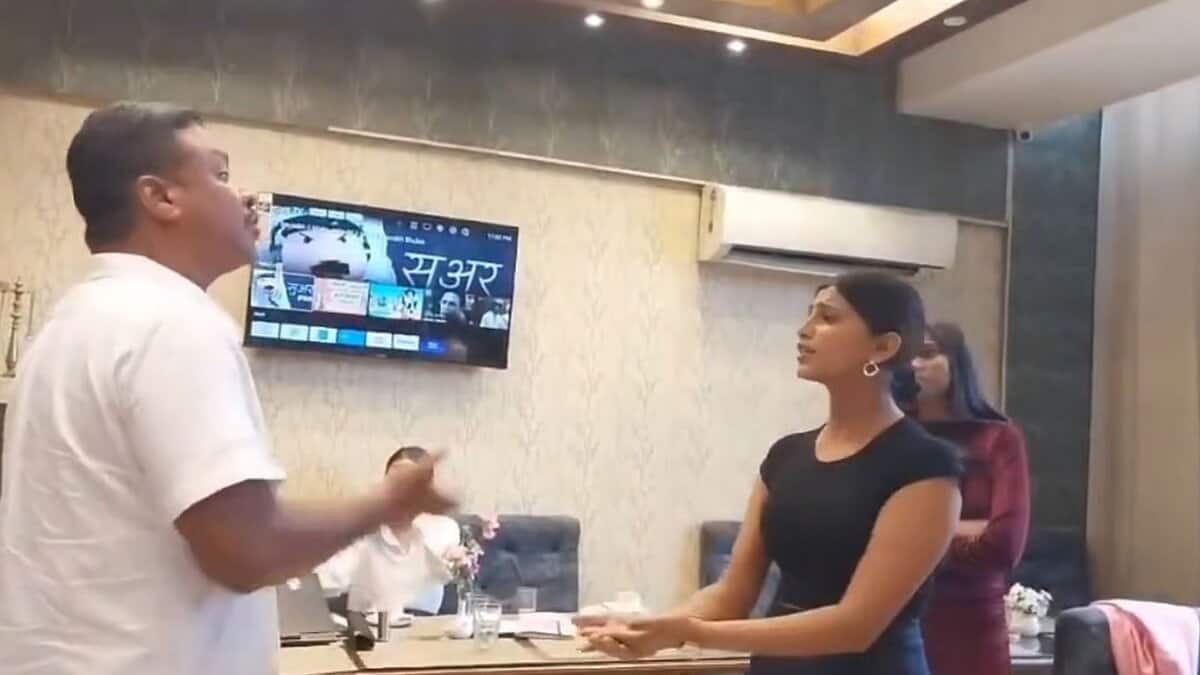
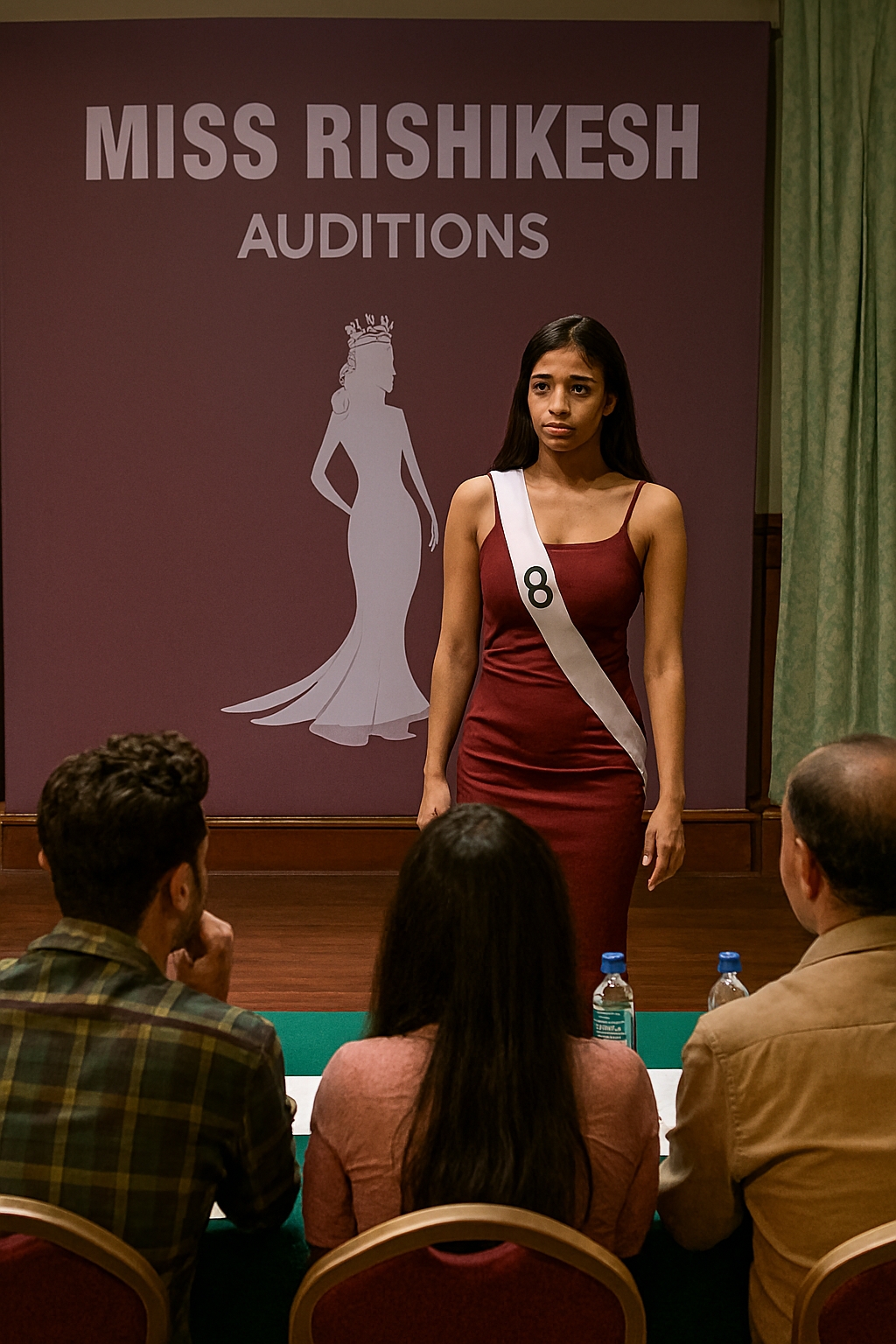

The incident occurred at a hotel in Rishikesh where contestants, some wearing western attire, were rehearsing for the fashion show. Hindu Raksha Sangathan president Raghavendra entered the venue and demanded the auditions stop, alleging the presence of participants was “spoiling the environment.”
One participant courageously challenged Raghavendra, questioning why he had not targeted cigarette or liquor shops in the city. She asserted, “Then you also don’t tell us what to do. Let us do our work. I am sorry.” The conversation escalated when the worker accused participants of influencing women to elope, to which she replied firmly, “You are no one telling this. Who are you?”
Organisers Attempt to Mediate
Organisers tried to reason with the Hindutva worker, explaining that the participants were not coerced into attending and their parents had no objections. Despite this, Raghavendra remained adamant, refusing to allow the auditions to continue. The standoff has sparked widespread discussion online about moral policing in India.
Social Media Response
The video quickly gained traction on social media platforms, with many users applauding the participant for standing her ground. X users highlighted that moral policing has become an increasing concern in India, with some pointing out the hypocrisy of restricting cultural events while ignoring other societal issues like education, domestic violence, and infrastructure.
Many comments praised the courage of the young aspirant, calling for more individuals to challenge unwarranted moral policing and uphold personal freedoms in public spaces.
Cultural and Legal Context
Incidents like this highlight tensions between cultural conservatism and personal freedoms in India. Experts note that while individuals have the right to celebrate cultural heritage, imposing restrictions on others’ choices violates constitutional rights. Such confrontations also spark debates on the balance between local customs and individual liberties.
For further context on cultural rights and legal protections, the Ministry of Women and Child Development provides guidance on safe public spaces for women here, and the National Human Rights Commission of India publishes resources on fundamental rights here.