
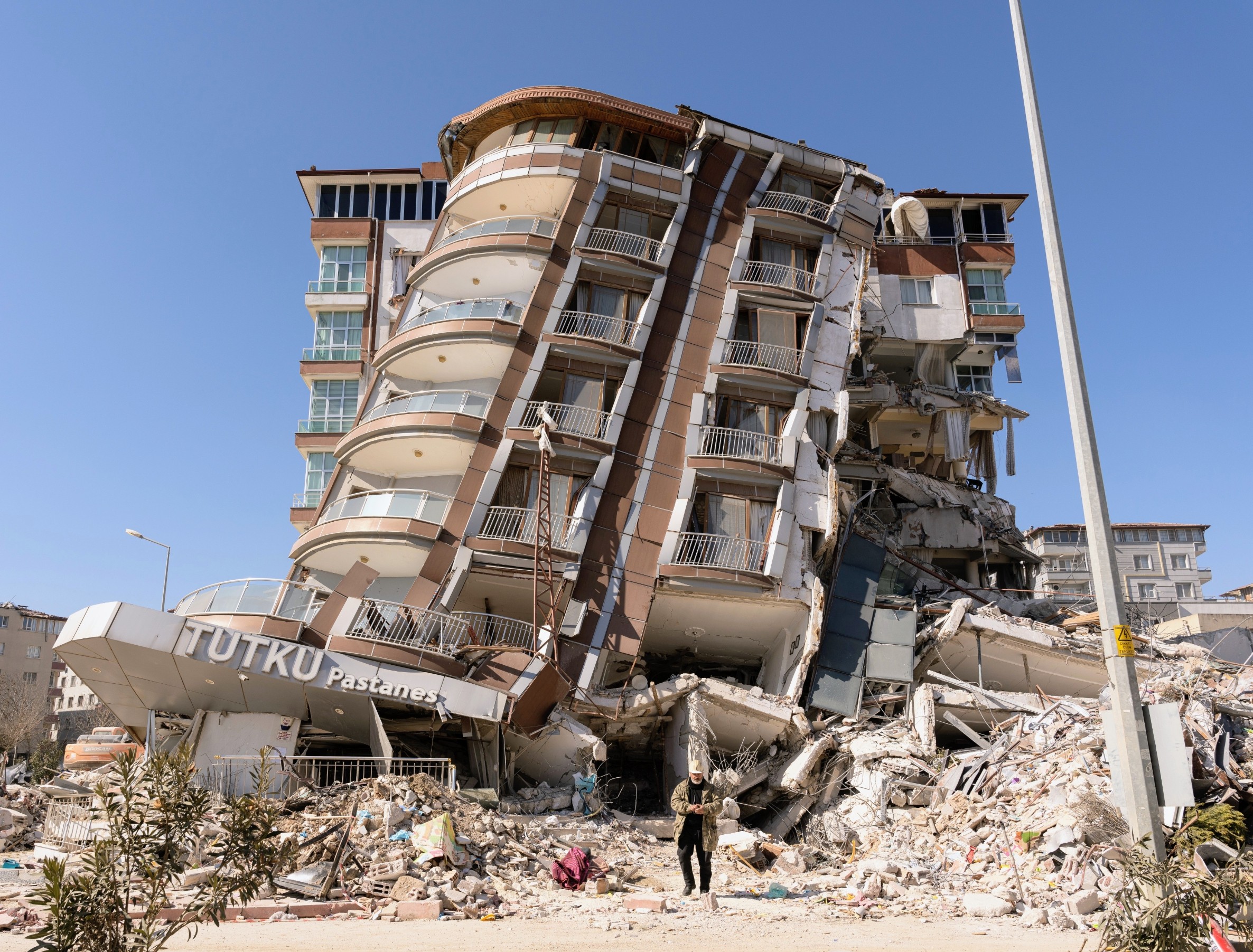
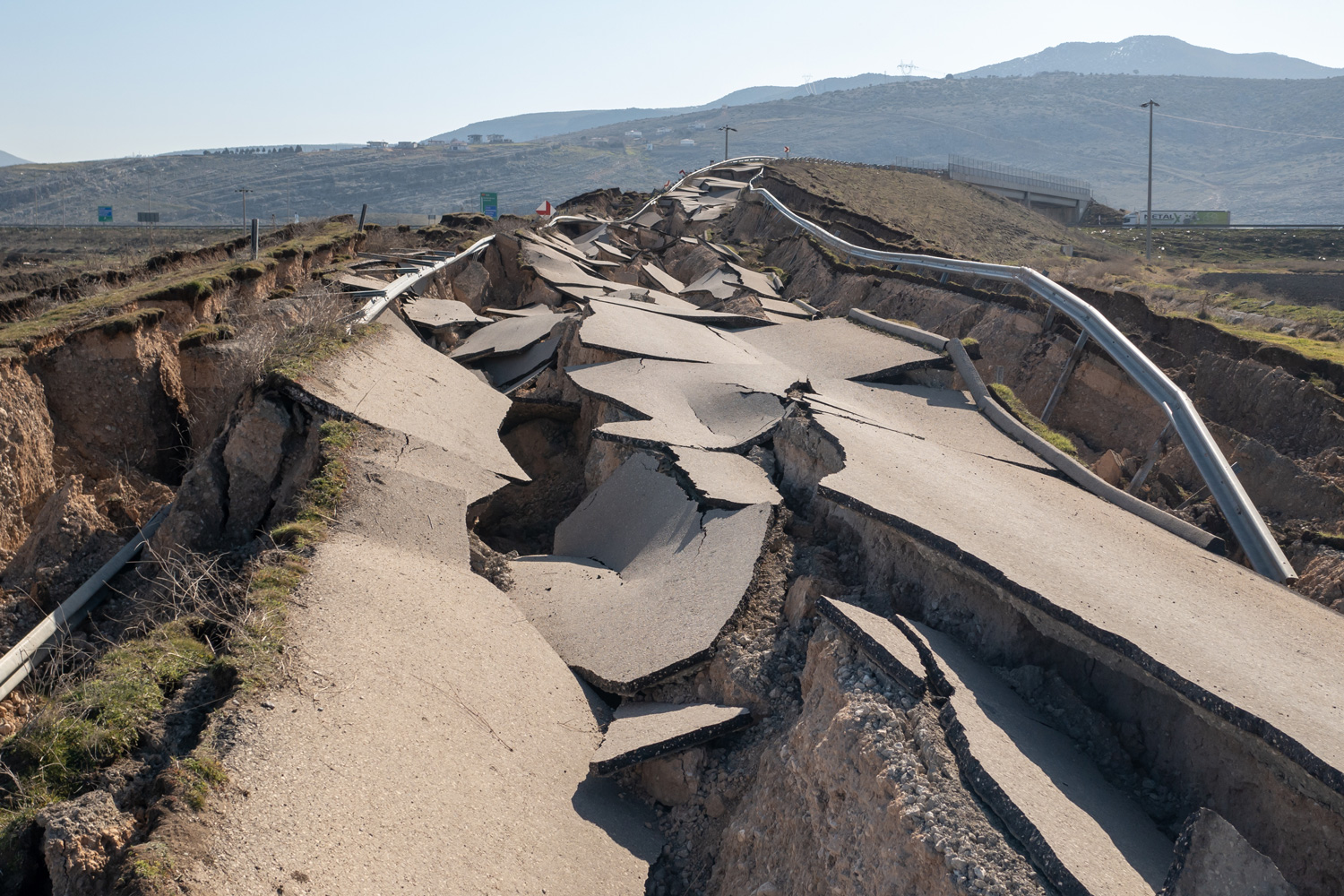

Boomerang earthquakes are extremely uncommon, with only a few documented cases worldwide. Notable examples include the 2011 Tohoku earthquake in Japan, the 2016 Atlantic Ocean quake, and the recent Turkey-Syria earthquake. Previously, such behavior was thought to occur only along complex networks of intersecting faults.
Simulation Insights
The research team employed computer simulations to model a single, straight fault within an elastic crust. By testing various rupture lengths, initiation points, and travel directions, the scientists observed that the reversal occurs only in one-directional earthquakes. This behavior stems from friction along the fault line, which does not merely decrease and stay low but fluctuates falling, rising, then falling again allowing the rupture to reverse briefly.
Mechanism Behind the Phenomenon
The reversal of boomerang earthquakes is driven by stress accumulation along the fault. When a sliding section halts, stress can build in the area behind the moving rupture. This stored energy may trigger a secondary slip in the opposite direction. Simulations indicate that distance along the fault is crucial, with larger earthquakes more likely to exhibit this behavior than smaller ones.
Implications for Detection and Hazard Assessment
The discovery of boomerang earthquakes presents new challenges for seismic monitoring and hazard evaluation. Conventional detection systems may overlook these back-propagating fronts, potentially underestimating risks in regions previously considered low-risk. The study underscores the need for further research into earthquake physics and improved assessment models for earthquake-prone zones.
As the understanding of these unique seismic events expands, scientists aim to refine predictive models and enhance disaster preparedness. Continued research could help mitigate risks and provide crucial insights into earthquake dynamics on both simple and complex faults.